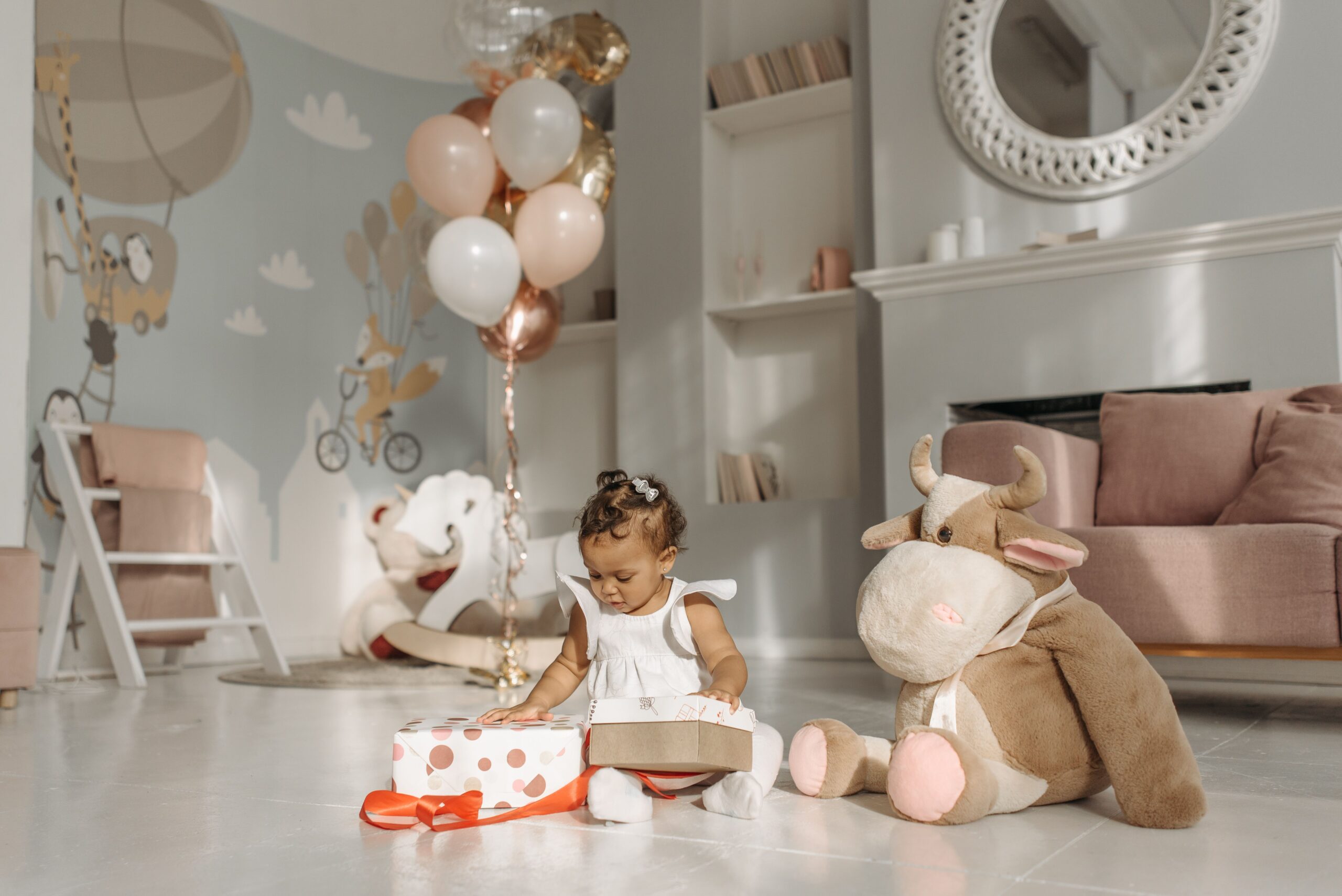
There is a particular category of present that every parent recognises. It arrives to genuine delight, holds attention for a fortnight, and then migrates steadily towards the back of a cupboard. Nobody intends to buy one, yet most of us manage it every year.
What separates the survivors from the casualties has surprisingly little to do with price. Expensive items end up in that cupboard alongside cheap ones. The real dividing line runs somewhere else.
The failure is usually built in
Most short-lived toys fail for the same reason: they only do one thing. The child works out what that is, enjoys it briefly, and finds there is nowhere left to go. Elaborate engineering often produces a more impressive single trick rather than a more flexible toy, which is why cost offers no protection.
The second common failure is buying for the wrong stage. A present chosen for the child someone is about to become usually sits untouched until they have already moved past it. Between four and eight, a year is a very long time.
What the survivors have in common
The presents still in use six months on tend to share three traits. They can be used in more than one way, they start quickly, and there is somewhere obvious to take them next.
Open-ended items satisfy the first. Construction sets, art materials and anything without a correct outcome keep offering fresh reasons to return.
The second explains why a doll set with furniture and accessories often outperforms a single figure for younger children. The setting already exists, so play begins immediately rather than stalling while the child hunts for something to use as a bed. The same applies to a play kitchen with food or a garage with vehicles. What is really being bought is the removal of friction.
The bigger purchases
Larger gifts work when the household can genuinely accommodate them. This gets overlooked more than any other factor.
Kids’ bikes are the clearest example. They make an excellent main present where there is somewhere safe to ride and somewhere dry to store one, and a frustrating one where there isn’t. Sizing matters more than specification: a child should sit and touch the ground comfortably and reach the brakes without stretching. Buying a size up in the hope they grow into it usually buys a year of the thing sitting unused.
For the child who already has plenty
An extension frequently lands better than another standalone item. Extra outfits, additional track pieces, a further set of figures. These build on something already established rather than competing with it.
Experiences work equally well. A membership, a course of classes, tickets to something mentioned more than once. No storage required and no risk of duplicating what is already there.
The practical checks
Read the age marking rather than judging from the picture, as it reflects small parts and safety testing rather than difficulty. Treat battery-powered features with caution, since toys that supply all the sound leave the child with less to do. Confirm that anything handled constantly can be wiped clean. And establish what assembly is required before the morning, not during it.
The measure that matters
A present lasts when it fits the child as they are, begins quickly, and still has somewhere to go after the first week. Almost everything in that cupboard failed one of those tests at the point of purchase.
For more, visit Pure Magazine