


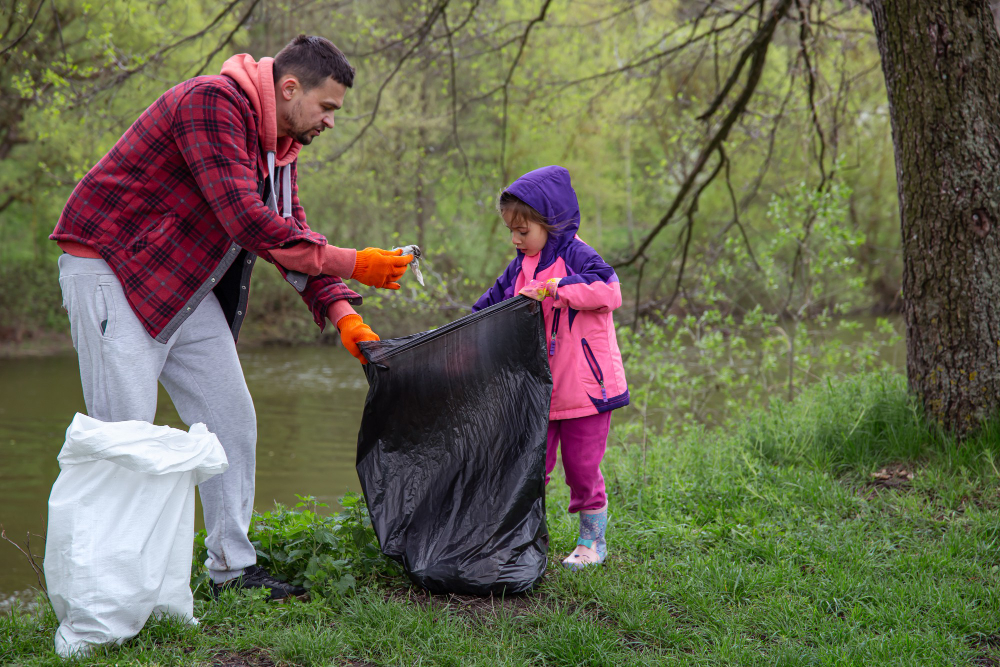
That sprawling oak in your front yard is a beautiful sight, offering shade in the summer and a brilliant display of color in the fall. But as the seasons turn, it also leaves behind a mountain of leaves. Add in the grass clippings from mowing, the branches from pruning, and the old soil from your garden beds, and you’ve got a significant pile of yard waste. For many homeowners, this is just another chore—something to be raked, bagged, and left at the curb.
But what if we looked at yard waste differently? Instead of seeing it as a nuisance, we can see it as a resource full of potential. The process of yard waste removal isn’t just about clearing space; it’s the first step in a cycle of renewal and growth. From creating nutrient-rich compost that breathes life back into your garden to fueling community green initiatives, that pile of organic matter has a surprisingly rich future.
This post explores the journey of yard waste after it leaves your property. We’ll uncover how proper disposal contributes to a healthier environment and even how it can inspire creative landscaping projects. It’s time to reframe our perspective on those twigs and leaves and appreciate the value they hold.
The Journey of Yard Waste: From Your Curb to Compost
When you schedule a yard waste removal service, you’re kicking off an important ecological process. Unlike regular trash destined for a landfill, organic yard debris is typically taken to specialized facilities where it can be transformed.
Composting Facilities: Nature’s Recycling Centers
The most common destination for yard waste is a large-scale composting facility. Here, your leaves, grass, and branches are combined with other organic materials in massive piles or long rows called windrows. These piles are carefully managed—turned regularly to ensure proper aeration and monitored for temperature and moisture levels. Microorganisms get to work, breaking down the organic matter over several months.
The end product is compost, a dark, earthy, and nutrient-dense material often called “black gold” by gardeners. This compost is then sold to nurseries, landscaping companies, and even back to homeowners. By using compost, you complete the cycle, returning valuable nutrients to the soil and improving its structure, moisture retention, and overall health.
Mulch Production: Protecting and Nourishing Landscapes
Larger branches and woody debris often take a different path. They are fed into powerful wood chippers that shred them into mulch. This mulch serves several essential purposes in landscaping:
- Moisture Retention: A layer of mulch helps the soil retain water, reducing the need for frequent watering.
- Weed Suppression: It blocks sunlight from reaching weed seeds, preventing them from sprouting.
- Temperature Regulation: Mulch insulates the soil, keeping it cooler in the summer and warmer in the winter, which protects plant roots.
Many local municipalities and private companies offer this processed mulch for free or at a low cost, providing a sustainable resource for community gardens and public parks.
The Environmental Upside of Smart Waste Management
Choosing professional yard waste removal over simply sending it to the landfill has significant positive impacts on the environment. When organic matter like leaves and grass decomposes in a landfill, it’s trapped without oxygen. This anaerobic decomposition process releases methane, a potent greenhouse gas that is over 25 times more effective at trapping heat in the atmosphere than carbon dioxide.
By diverting yard waste to composting or mulching facilities, we ensure it breaks down aerobically (with oxygen), a process that produces minimal methane. This simple choice helps reduce our collective carbon footprint and combat climate change. Furthermore, using the resulting compost and mulch reduces the need for chemical fertilizers and pesticides, which can pollute waterways and harm local ecosystems.
Big Projects, Simple Solutions with Speedy Dumpsters
While weekly curbside pickup can handle a few bags of leaves, what happens when you undertake a major landscaping overhaul? Redesigning your garden, removing a large tree, or clearing an overgrown lot can generate a massive amount of debris that municipal services simply can’t handle.
This is where a dedicated service like Speedy Dumpsters becomes invaluable. Renting a dumpster specifically for yard waste makes large-scale projects significantly more manageable.
The Benefits of a Yard Waste Dumpster
- Efficiency: Instead of bagging everything or making multiple trips to a disposal facility, you can toss all your debris into one container. This saves an incredible amount of time and physical effort.
- Cost-Effectiveness: For large volumes, renting a dumpster is often more economical than paying for individual load disposals or hiring a full-service junk removal team.
- Eco-Friendly: Speedy Dumpsters ensures that your yard waste is transported to the appropriate recycling facility, not a landfill. You can tackle your project with the peace of mind that your waste is being handled responsibly.
- Safety and Tidiness: A designated dumpster keeps your property neat and safe during the project, containing sharp branches and bulky roots in one spot and preventing tripping hazards.
Whether you’re a DIY landscaper or a professional contractor, using a dumpster service streamlines the yard waste removal process, letting you focus on the creative aspects of your project rather than the cleanup.
Unlocking a Greener Future
Yard Waste Removal is more than just a cleanup task—it’s an opportunity to turn what looks like debris into something beneficial for your home and the environment. The next time you’re out raking leaves or trimming hedges, take a moment to recognize the potential in that pile of green waste. Through proper Yard Waste Removal, you’re not only keeping your property neat but also enriching soil health, conserving water, and contributing to a cleaner, more sustainable planet.
Properly managing your yard waste—whether through your local green bin program or by using a service like Speedy Dumpsters for bigger jobs—is a simple action with far-reaching benefits. It supports a circular economy where resources are reused and repurposed, helping to build more sustainable and resilient communities.
So, embrace the cycle. Let your yard waste become the foundation for next season’s vibrant garden or a beautiful public park. By making conscious choices about its disposal, you play a vital role in turning today’s cleanup into tomorrow’s growth.
For more, visit Pure Magazine