


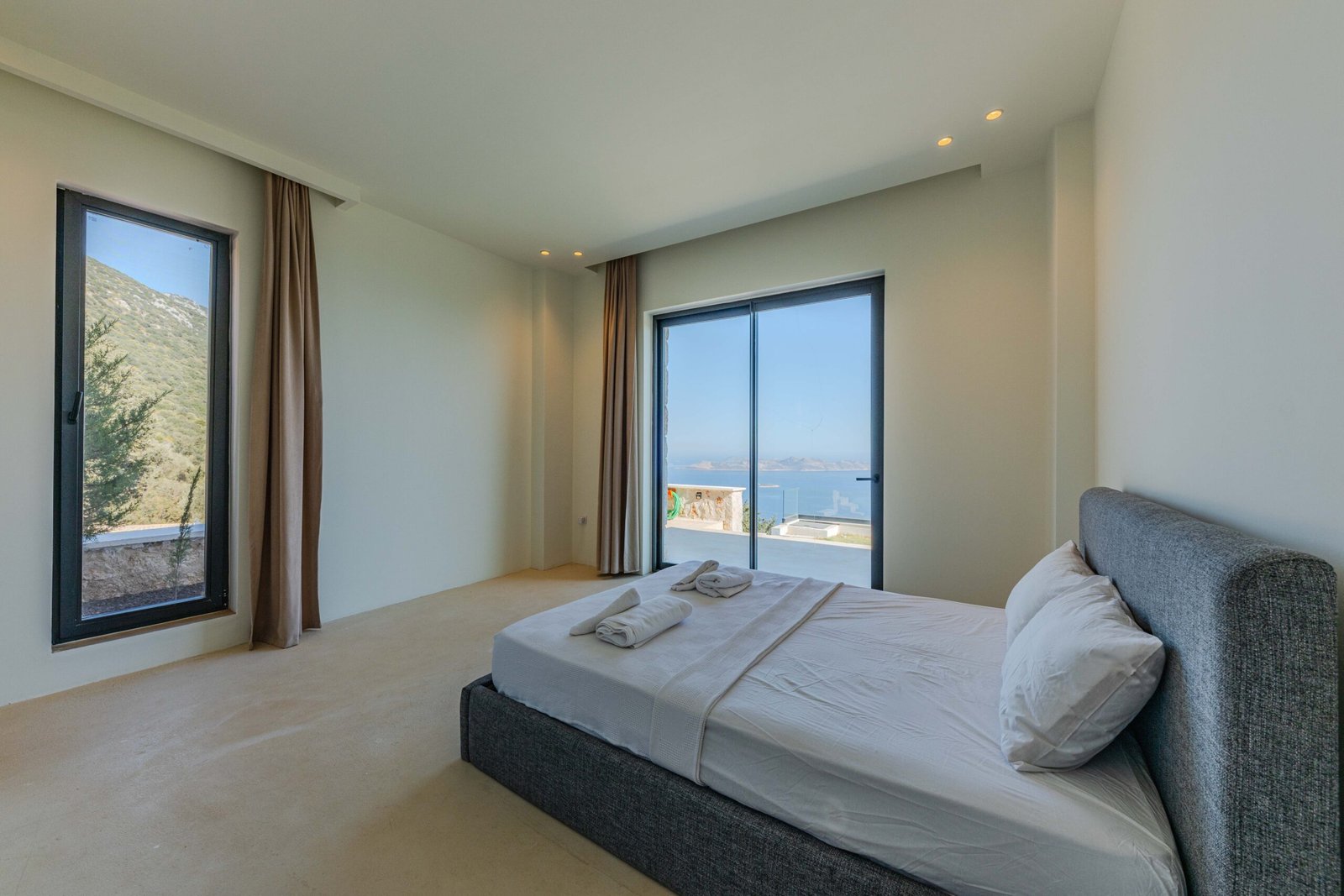
The movement of a linen hem can say more about a summer dress than a full page of adjectives. For a small fashion label’s imagined collection film, I would begin with that detail: a cream dress near an open window, one gentle turn, and a curtain moving behind it. My goal would be a short video that suggests an unhurried afternoon while keeping the garment itself easy to see. This is a proposed creative approach, rather than a report of a completed shoot.
I would keep the setting almost empty. A wooden chair could hold a folded scarf, and pale walls could reflect soft daylight, but neither object should compete with the silhouette. Before generating anything, I would decide whether the film is about the dress’s shape or the feeling of wearing it. For this concept, shape comes first. The viewer should notice the waist, the length, and the way the skirt occupies space before registering the atmosphere.
That balance givesvseedance 3.0 a specific role in my plan: exploring a moving fashion concept from written direction and visual references. The AI video model supports text-to-video, image-to-video, and reference-based generation involving text, images, video, and audio. I would choose the input materials according to the shot, rather than supplying every available file. A reference should solve a creative problem, such as establishing the garment’s appearance or suggesting the pace of a turn.
Give the dress a consistent starting point
My first reference would be a clear photograph of the intended garment, made with permission and without heavy colour grading. An image where the skirt is hidden behind furniture would be a poor foundation for a film about its outline. I would prefer a simple frontal view with the neckline, sleeves, waist, and hem visible. A second photograph could show the side, but only if it adds information that the first image lacks. I would remove unrelated campaign photographs from the working set.
The reference does not relieve me of the need to inspect the generated result. A changed seam or an invented belt might look attractive while misrepresenting the item. I would therefore separate a mood concept from a product demonstration. If the label wanted shoppers to judge exact construction, I would keep real garment footage for those close views. The generated material could establish the room and the feeling of movement without becoming evidence of fabric performance.
Make one turn carry the opening
For the first Seedance 3.0 shot, my written brief would describe a figure standing beside the window and making a slow quarter turn. I would request a steady medium frame, diffuse daylight, a quiet background, and a modest movement of the skirt. I would avoid combining a dramatic camera orbit with a full spin and a shifting curtain. Three simultaneous movements could make the video feel energetic, but they would also make it harder to understand the garment.
A useful shot brief might read: “A cream linen dress in a simple sunlit room, the wearer turns gently from front to three-quarter view, the hem moves slightly, soft window light, calm medium framing, restrained natural motion.” This is a creative direction, not a promise that every detail will be reproduced. I would judge the first result by the clarity of the action. If the viewer cannot tell where the turn begins and ends, I would simplify the movement before adding atmosphere.
I would also leave space around the skirt. A close crop that cuts through the hem removes the very detail I want to show. The camera could sit at approximately waist height, with the figure placed slightly to one side of the window. That arrangement would let the light describe the folds without turning the bright window into the subject. A nearly still frame would make even a small change in the garment feel deliberate.
Let reference motion suggest rhythm
A short reference video could help me communicate the kind of pace I have in mind: a relaxed shift of weight, a pause, then a turn. I would choose footage I have permission to use and treat it as movement guidance, not as a request to reproduce someone else’s campaign. In Seedance 3.0, the multi-reference approach gives me a reason to distinguish what each input contributes. The garment photograph establishes appearance; the motion reference suggests timing; the text explains the desired scene.
For audio, I would consider a quiet instrumental passage with an audible pause between phrases. I would not expect an audio reference to produce a finished soundtrack or perfect synchronization automatically. Instead, its gentle rhythm could inform the intended movement, while the final music edit would happen separately. A swell that arrives after the turn might give the shot a sense of release. A loud beat on every movement would feel too insistent for this particular dress.
Repair the movement before adding another shot
If the first generation made the skirt flare as though it were much lighter than linen, I would revise the direction toward smaller movement. My next Seedance 3.0 attempt would keep the frame and lighting similar while changing the action to a slight pivot. That comparison would tell me more than replacing the room, camera, and movement at once. I would look especially at the continuity of the hem and the relationship between the feet and the floor.
A second possible problem is a background that becomes too decorative. An elaborate vase, patterned wallpaper, or changing window shape could distract from the dress even when the movement looks convincing. I would reduce those details in the next brief and preserve the simplest successful version of the room. The objective is not a more impressive generated image. It is a short sequence in which the clothing remains the reason to watch.
Finish with a quiet, usable sequence
Once the main turn worked as a concept, I would build a companion shot around the chair and scarf, with the garment visible at the edge of the frame. Seedance 3.0 could help explore that transition, but I would assemble the final sequence in an editor. The first shot would introduce the silhouette, the second would offer a brief change of distance, and the last would return to a clear view of the dress. I would add any label name or collection wording during editing so the typography remains readable.
For a vertical version, I would check the full skirt again rather than simply cropping the horizontal master. The useful deliverable would be a compact fashion concept film with a clear opening, one readable action, and a calm ending. Seedance 3.0 would sit inside that creative process as a way to develop motion from chosen materials. The strongest version would still depend on ordinary visual judgment: let the dress move, give the viewer time to notice it, and stop before the room becomes more memorable than the clothes.
For more, visit Pure Magazine