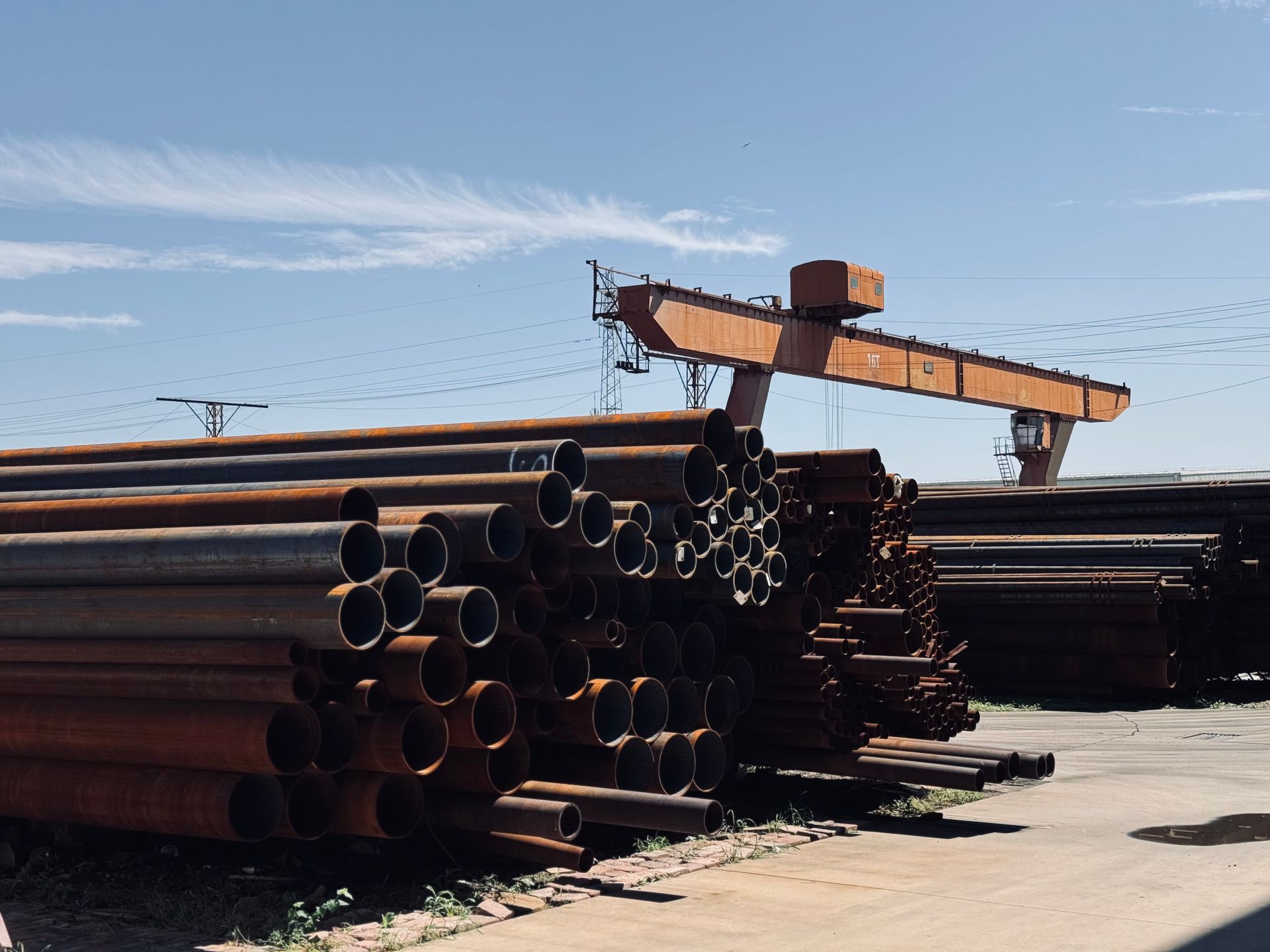
Shoulder tubes are important pipes used in many industries. They have special raised shoulders on the ends that make joining them fast and secure. People also call them shouldered pipes. These tubes work well in mining, construction, water systems, and fire protection setups. Choosing high-quality shoulder tubes helps your project run smoothly and avoids leaks or breaks later. In this article, we explain how to pick the best ones step by step.
What Are Shoulder Tubes?
Shoulder tubes are steel pipes with a raised ring, or shoulder, formed near each end. This design lets you connect them quickly using clamps or couplings without welding. The shoulder gives a strong stop point for the fitting and creates a tight seal.
These tubes come in different sizes and thicknesses. You can find them in lengths like 6 meters or cut to custom sizes. They carry water, air, slurry, or other fluids. Because they connect easily, workers save time during installation compared to traditional pipes.
High-quality shoulder tubes stay strong under pressure and resist damage from rough handling. Poor quality ones may crack at the shoulder or have uneven surfaces that cause leaks.
Why Quality Matters When Choosing Shoulder Tubes
Selecting good shoulder tubes makes a big difference in safety and cost. High-quality tubes last longer and need fewer repairs. They handle high pressure, heavy loads, and tough environments without failing.
Low-quality tubes can cause project delays, extra expenses, and even safety risks. For example, a weak shoulder may slip under pressure and create leaks. In mining or fire systems, this can be very dangerous.
Good quality also means better flow inside the pipe because of smooth surfaces and accurate dimensions. When you buy quality tubes, you get consistent performance across every piece in your order.
Check the Material First
The material is one of the most important things to examine. Most high-quality shoulder tubes use high-grade steel, such as carbon steel or galvanized steel for rust protection.
Look for tubes made from steel with the right carbon content. This gives strength without making the pipe too brittle. Galvanized or painted coatings help the tube resist corrosion, especially in wet or outdoor conditions.
Ask the supplier about the exact grade of steel. Reliable makers use steel that meets standard specifications for thickness and strength. Thicker walls usually mean better durability for heavy-duty jobs.
Avoid very cheap tubes that use low-grade recycled steel. These often have hidden weak spots that show up after installation.
Pay Attention to Dimensions and Tolerance
Accurate size is key for shoulder tubes. The outside diameter, wall thickness, and shoulder height must follow tight tolerances. Even small differences can make connections fail.
Measure the shoulder height and width carefully. A good shoulder should be even all around the pipe and have the correct angle for the coupling to grip firmly.
Check the pipe’s straightness and roundness. High-quality tubes have minimal bends or dents. Suppliers should provide detailed specification sheets with exact measurements.
For your project, match the tube size to your system requirements. Common sizes range from 2 inches to 8 inches or larger, depending on flow needs.
Examine the Shoulder Design and Finish
The shoulder is the most important feature. It should be smoothly formed without sharp edges or cracks. A well-made shoulder has uniform height and blends cleanly with the pipe body.
Surface finish matters too. High-quality shoulder tubes have a clean, smooth inside and outside. Rough surfaces can slow down fluid flow or trap dirt. The ends should be cut straight and clean.
Look for tubes with protective coatings on the shoulder area. This prevents rust during storage and early use.
Manufacturing Process and Standards
Learn how the tubes are made. Good manufacturers use modern forming machines to create the shoulders. This ensures consistency from one tube to the next.
Check if the supplier follows international standards like ISO or ASTM. These standards cover material quality, testing, and dimensions.
Tubes made with precision equipment usually have better strength at the shoulder area, which is often the weakest point.
Testing and Quality Control
High-quality shoulder tubes go through strict testing. Suppliers should pressure test the pipes and check the shoulders for defects.
Ask about their quality control process. Do they test every batch? Do they use ultrasonic or visual inspection? Reliable companies provide test reports with each order.
Certifications from third-party organizations add extra confidence. These show that the tubes meet safety and performance requirements.
Consider Pressure Rating and Application
Different projects need different pressure ratings. Make sure the shoulder tubes you choose can handle your system’s working pressure with some safety margin.
For example, fire protection systems need tubes rated for high pressure. Mining slurry lines may need thicker walls to handle abrasive materials.
Think about the environment. Will the tubes be buried, exposed to chemicals, or used in high-temperature areas? Choose material and coatings that suit those conditions.
Common Mistakes to Avoid
Many buyers focus only on price and ignore other details. This often leads to problems later. Always balance cost with quality.
Another mistake is not checking samples. Order a few tubes first to test fit and quality before buying a large quantity.
Do not forget to consider the full cost. Cheap tubes may need more couplings or cause downtime, which costs more in the end.
Always verify the supplier’s experience in making shoulder tubes. New or unknown suppliers may not have consistent quality.
Tips for Buying Shoulder Tubes
Compare offers from several suppliers. Look at price, delivery time, and support services. Good suppliers answer questions quickly and help with technical details.
Check minimum order quantities and shipping options. Some companies offer custom lengths or special coatings for an extra fee.
Read customer reviews or ask for references from past buyers in your industry.
If you need strong and reliable options, consider a shoulder pipe that meets your exact project needs.
For more choices and direct support, visit their main site at https://www.tuspipe.com/.
Storage and Handling Best Practices
Even high-quality shoulder tubes need proper care. Store them on flat surfaces and protect the ends from damage. Keep them away from standing water to prevent rust.
During transport, use proper padding to avoid dents on the shoulders. Train your team on careful handling so the tubes arrive ready to install.
Long-Term Value of Quality Tubes
Choosing high-quality shoulder tubes saves money over time. They need less maintenance and provide steady performance for years. Your projects finish faster with fewer issues.
Good tubes also improve safety and reduce environmental risks from leaks. Many companies prefer quality suppliers because they support long business relationships.
When you focus on these selection points, you get tubes that match your needs perfectly. Take time to evaluate material, design, testing, and supplier reliability. This careful approach leads to better results in every project.
For more, visit Pure Magazine