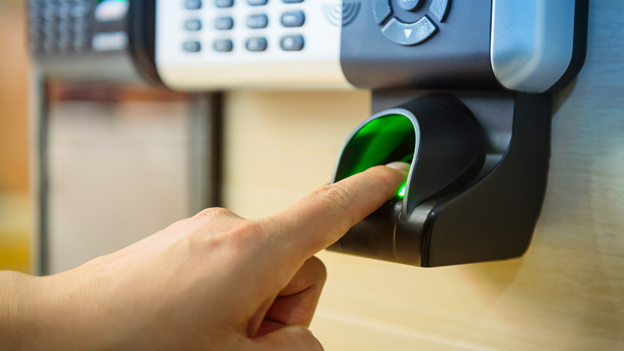
Every day, security issues abound within hospitals. With the need to safeguard people, property, medicine storage rooms, restricted clinical areas, and more, the demands put on healthcare facilities continue to rise steadily. Locks and simple keycards are insufficient in addressing these security problems. Today, state-of-the-art hospital access control systems and hospital security systems are essential for maintaining the safety, organization, and security of the healthcare environment.
Proper healthcare facility access control ensures that appropriate personnel have access to restricted locations and facilitates both efficiency and security within healthcare facilities. In this article, you will get an insight into hospital door access control and the need for better security in the healthcare sector.
What Modern Hospital Access Control Actually Does for Care Delivery
Once you understand how dynamic hospital environments really are, a narrow view of access control starts to feel inadequate. This isn’t just about keeping unauthorized people out. It’s about actively enabling safe, uninterrupted care.
Enforcing Boundaries That Protect Everyone Inside
Hospitals naturally organize into tiers, public-facing areas, semi-restricted clinical spaces, and high-security zones requiring the tightest controls. Hospital access control systems define and enforce those tiers consistently. Without that structure, nothing is stopping an unauthorized individual from wandering into a recovery room or supply closet.
Structure creates predictability. Predictability keeps people safe.
Locking Down Medications, Equipment, and High-Value Assets
Pharmacy storage, narcotics rooms, and high-cost device areas need the strongest protection available. Real-time audit trails and automatic alerts for suspicious access patterns aren’t optional add-ons anymore; they’re baseline requirements.
When access events are logged continuously and reviewed actively, drug diversion becomes far harder to conceal. Investigations that used to take weeks can be resolved in hours.
Protecting the Spaces Where Lives Depend on Continuity
Operating rooms. ICUs. Server infrastructure. Unauthorized access to any of these spaces carries immediate, serious consequences. Hospital door access control protects emergency egress routes, infection control barriers, and critical systems from both malicious tampering and simple human error.
The Pressures Pushing Hospitals Toward Smarter Access Control
It’s tempting to frame hospital security as a compliance checkbox. It isn’t. Hospitals today are operating inside a persistent, layered threat environment, and that environment demands a response that goes well beyond what most legacy systems were ever built to handle.
A Threat Profile Unlike Any Other Industry
Start with workplace violence. A Joint Commission study found the staff aggression exposure rate reached 1.17 events per 40 hours worked, meaning clinical staff essentially encounter a violent incident at least once per full workweek. That’s not a rare event. That’s a routine occupational reality.
Then layer in infant abduction risks, pharmacy theft, drug diversion, and the ongoing disappearance of high-value medical equipment. Each of these represents a pattern, not an anomaly. Without physical controls capable of detecting and blocking these behaviors, hospitals are essentially crossing their fingers and hoping for the best.
Regulatory Pressure That Keeps Growing
HIPAA’s physical safeguard requirements. CMS expectations. Joint Commission standards. Regulators have made it abundantly clear that controlling physical access to sensitive spaces is a legal and operational obligation, not a suggestion.
And the consequences for falling short are real. Citations, liability exposure, and reputational damage during investigations. Hospitals relying on outdated infrastructure find it increasingly difficult to mount a credible defense when audits arrive. That’s an uncomfortable position for any executive team to be in.
Operational Complexity That Doesn’t Forgive Gaps
Think about what a hospital actually is. It’s a 24/7 operation serving patients, families, visiting clinicians, contractors, and vendors, all moving through the same building at the same time. Keeping consistent access policies across acute-care towers, outpatient centers, and specialty labs isn’t just challenging. It’s genuinely complex.
And complexity creates gaps. Those gaps become the entry points that bad actors look for. Solid healthcare facility access control must span every location in a system, not just the flagship building, or the whole framework is weaker than its most vulnerable point.
What a Well-Designed Security System Actually Delivers
Here’s where it gets interesting: a properly built hospital security system does far more than prevent bad things from happening. Its impact touches operations, staff culture, and compliance readiness simultaneously.
Faster Response, Fewer Incidents
Layered policies combined with modern access control systems reduce both the frequency and severity of security events. Tailgating alarms, door-forced-open alerts, and real-time lockdown capabilities give security teams the precision to respond before a situation escalates.
These tools don’t just react. They actively deter.
Staff Confidence Rises, and So Does Patient Trust
Streamlined entry workflows can make a major difference in busy healthcare environments. Faster check-ins and smoother visitor management help reduce crowding, confusion, and stress in high-traffic areas like emergency departments. When people spend less time waiting, the environment feels calmer and safer for both patients and staff.
Visible security measures also build trust. Patients, visitors, and healthcare workers feel more confident when they see that the facility takes safety seriously. Even when daily operations run smoothly, strong hospital security systems and healthcare facility access control help create a sense of comfort, order, and protection throughout the building.
Compliance Readiness Becomes a Competitive Advantage
Access logs, incident analytics, and trend reports shift security from a reactive burden into a managed discipline. When surveyors request documentation, hospitals running modern, advanced security systems can produce organized, comprehensive evidence quickly, without scrambling.
That kind of readiness is built into the system. It doesn’t happen by accident.
The Components That Make Hospital Security Systems Actually Work
Knowing what you need is one thing. Understanding the technology that delivers it is another.
Hardware Built for the Clinical Environment
Electronic locks, door position sensors, request-to-exit devices, and tamper alarms form the physical foundation of any serious deployment. In healthcare, hospital door access control hardware must also account for fire egress compliance, infection control protocols, and the punishing traffic volumes that clinical doors handle every single day.
Credentials That Are Harder to Compromise
Proximity cards are fading. Smart cards, mobile credentials, and biometrics, fingerprint, palm vein, and facial recognition, offer stronger identity assurance and are significantly harder to share, duplicate, or lose. Integration with HR and credentialing platforms ensures access rights adjust automatically when staff roles shift or employment ends.
Visitor and Vendor Management You Can’t Ignore
Hospitals host an endless rotation of vendors, contractors, volunteers, and students. Pre-registration tools, self-service kiosks, and time-limited temporary badges give security teams visibility over every person on campus, not just permanent employees.
Visitor management is one of the most consistently overlooked gaps in healthcare facility access control, and the risk it introduces when neglected is substantial.
Frequently Asked Questions
Q. What features matter most when selecting hospital access control systems?
Real-time monitoring, role-based permissions, HR system integration, and audit trail capabilities should top your list. Mobile credentials and biometric options add long-term resilience.
Q. How do hospital security systems stay welcoming while remaining secure?
Smart zone design separates public spaces from restricted clinical areas without making the facility feel like a locked facility. Credential workflows and staffed entry points maintain openness where it matters while enforcing boundaries where they’re needed.
Q. How frequently should access permissions be reviewed?
Quarterly at minimum, with automatic revocation triggered by role changes, contract expirations, or terminations. Regular audits prevent credential accumulation and meaningfully reduce insider threat exposure over time.
Security in healthcare isn’t a one-time decision. It’s an ongoing discipline, and the hospitals that treat it that way are the ones best positioned to protect everyone who depends on them.
For more, visit Pure Magazine