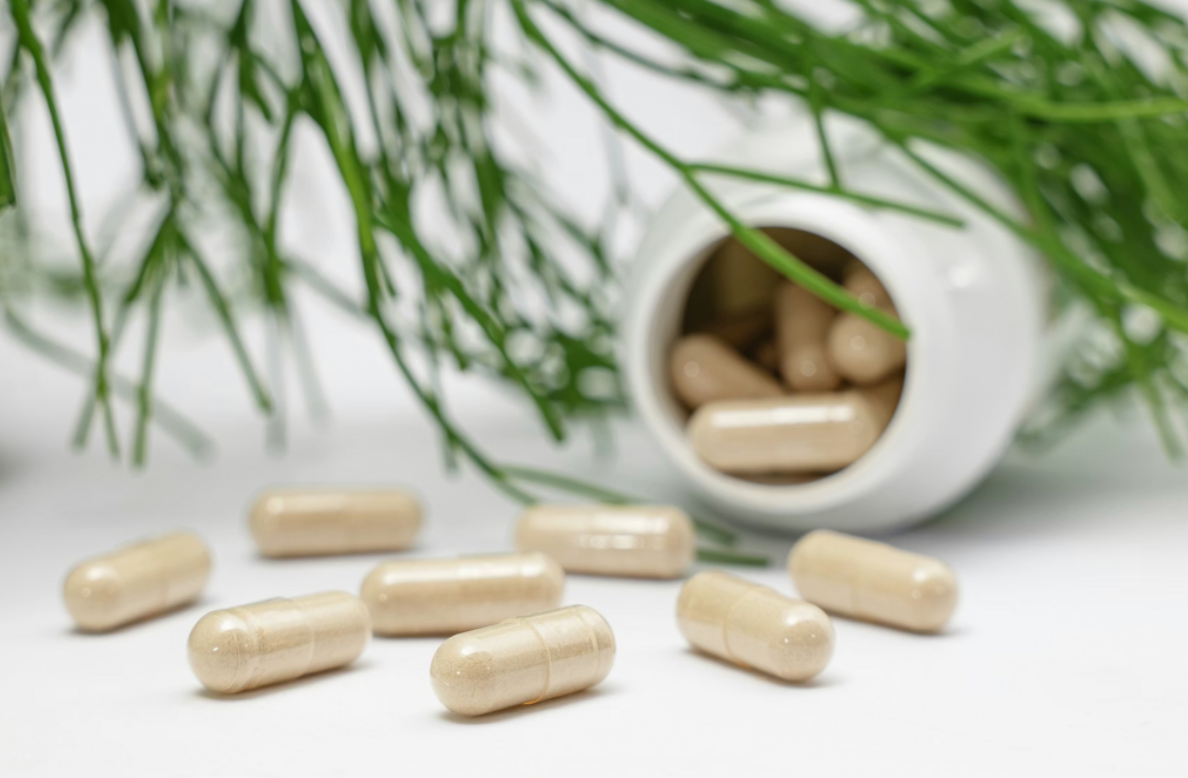
Entrepreneurs operate in a relentless environment where stress, irregular eating patterns, and sleep deprivation converge into a perfect storm for digestive dysfunction. Among the most insidious consequences is increased intestinal permeability—commonly known as leaky gut syndrome—a condition that can undermine both physical vitality and cognitive performance.
The symptoms are deceptively varied: chronic bloating, unexplained fatigue, digestive discomfort, and mood fluctuations that seem disconnected from external circumstances. For business leaders accustomed to powering through discomfort, these signals often go unaddressed until they begin affecting decision-making capacity and energy reserves. Research from the National Institutes of Health indicates that intestinal barrier dysfunction can trigger systemic inflammation, affecting everything from immune function to mental clarity—precisely the faculties entrepreneurs cannot afford to compromise.
The Science Behind Gut Barrier Supplements
Leaky gut supplements target the fundamental problem: a compromised intestinal lining that allows undigested food particles, toxins, and bacteria to escape into the bloodstream. The most effective formulations focus on three mechanisms: restoring beneficial bacteria, repairing damaged intestinal cells, and reducing inflammation.
Probiotics form the foundation of most protocols, introducing strains like Lactobacillus and Bifidobacterium that help reestablish microbial balance. L-glutamine, an amino acid that serves as primary fuel for intestinal cells, supports the physical repair of the gut lining. According to Harvard Medical School, the gut-brain axis means that improvements in intestinal health often translate directly to enhanced mental performance—a critical consideration for those in high-stakes decision-making roles.
Quality matters significantly in this category. The supplement industry remains largely unregulated, making third-party testing and transparent sourcing non-negotiable criteria. Effective products should clearly list strain-specific probiotics with guaranteed colony-forming units (CFUs) and provide bioavailable forms of amino acids and fatty acids.
Essential Nutrients for Intestinal Repair
Beyond basic probiotics, several compounds have demonstrated particular efficacy in clinical research:
- L-Glutamine: This conditionally essential amino acid becomes critical during periods of stress, when the body’s demand exceeds its production capacity. It serves as the primary energy source for enterocytes, the cells lining the intestinal wall.
- Omega-3 Fatty Acids: EPA and DHA from marine sources reduce inflammatory signaling pathways that perpetuate intestinal damage. Studies published in the journal Nature Reviews Gastroenterology & Hepatology show these fats help maintain tight junction integrity.
- Zinc Carnosine: This chelated compound combines zinc’s wound-healing properties with carnosine’s antioxidant effects, specifically targeting stomach lining repair.
- Collagen Peptides: Providing the structural amino acids glycine, proline, and hydroxyproline, collagen supports tissue regeneration throughout the digestive tract.
For those seeking a more comprehensive strategy, targeted formulations can combine multiple ingredients in therapeutic ratios intended to support several aspects of intestinal barrier function at once. Brands such as Liver Medic offer products developed around this multi-targeted approach, while competitors like Thorne and Pure Encapsulations also formulate supplements aimed at supporting gut integrity and overall digestive health.
Dietary Architecture for Gut Integrity
Supplements function as tactical interventions, but dietary patterns provide the strategic foundation. The most effective approaches share common principles: emphasizing whole foods, eliminating inflammatory triggers, and supporting microbial diversity.
Fermented foods—kimchi, sauerkraut, kefir, and traditional yogurt—introduce beneficial bacteria while providing postbiotic metabolites that directly nourish intestinal cells. Prebiotic fibers from sources like Jerusalem artichokes, garlic, and asparagus feed these microorganisms, creating a self-reinforcing cycle of gut health.
Conversely, certain dietary patterns actively undermine intestinal integrity. Excessive alcohol consumption, high-sugar diets, and processed foods containing emulsifiers and preservatives have all been linked to increased permeability. The elimination of potential triggers—gluten, dairy, and industrial seed oils—often produces dramatic improvements, though individual responses vary considerably.
Hydration deserves particular attention. Water facilitates nutrient absorption, supports mucus production that protects the intestinal lining, and enables the physical movement of material through the digestive tract. For entrepreneurs traveling frequently or working long hours, maintaining adequate fluid intake requires deliberate systems rather than relying on thirst signals.
Stress Management as Digestive Medicine
The gut-brain axis operates bidirectionally, meaning chronic stress directly compromises intestinal barrier function through multiple pathways. Elevated cortisol reduces secretory IgA production, weakens tight junctions between intestinal cells, and alters the composition of gut microbiota toward inflammatory species.
Effective stress management for gut health extends beyond occasional meditation sessions. Research indicates that consistent practices produce measurable changes in both psychological stress markers and intestinal permeability. Evidence-based approaches include:
- Structured breathing protocols: Techniques like box breathing or extended exhales activate the parasympathetic nervous system, shifting the body from “fight or flight” to “rest and digest” mode.
- Regular movement: Moderate exercise enhances gut motility and microbial diversity, though excessive training without adequate recovery can have the opposite effect.
- Sleep optimization: The gut lining regenerates primarily during deep sleep stages. Chronic sleep restriction directly impairs this repair process.
For time-constrained entrepreneurs, the key lies in consistency rather than duration. Brief, daily practices outperform sporadic intensive efforts in producing lasting physiological changes.
Selecting Effective Formulations
The supplement market’s expansion has created both opportunity and confusion. Distinguishing effective products from marketing-driven formulations requires examining several factors beyond label claims.
Probiotic supplements should specify exact strains, not just species, along with guaranteed CFU counts at expiration rather than manufacture. Strains like Lactobacillus plantarum, Bifidobacterium longum, and Saccharomyces boulardii have the strongest evidence for supporting intestinal barrier function.
Dosing matters significantly. L-glutamine, for instance, typically requires 5-15 grams daily for therapeutic effects—far exceeding the token amounts in many multi-ingredient formulas. Omega-3 supplements should provide at least 2 grams of combined EPA and DHA from molecularly distilled sources to ensure purity.
Third-party testing from organizations like NSF International or USP provides verification that products contain what labels claim without harmful contaminants. Given the stakes for cognitive and physical performance, this verification represents essential due diligence rather than optional reassurance.
Emerging Approaches in Gut Health
The intersection of microbiome research and personalized medicine is producing increasingly sophisticated interventions. Comprehensive stool testing now maps individual microbial compositions, identifying specific deficiencies or overgrowths that generic protocols might miss.
Postbiotic supplements—containing the beneficial metabolites produced by probiotic bacteria rather than live organisms—offer stability advantages and may bypass some of the variability in probiotic colonization. Short-chain fatty acids like butyrate, previously available only through bacterial fermentation of fiber, can now be supplemented directly.
Artificial intelligence platforms are beginning to analyze patterns across thousands of microbiome samples, identifying correlations between specific bacterial profiles and health outcomes. While still in early stages, these tools promise to transform gut health from a one-size-fits-all approach to truly individualized interventions.
The integration of continuous glucose monitors with dietary tracking apps provides real-time feedback on how specific foods affect metabolic responses—data that can inform personalized nutrition strategies supporting gut integrity.
For more, visit Pure Magazine