


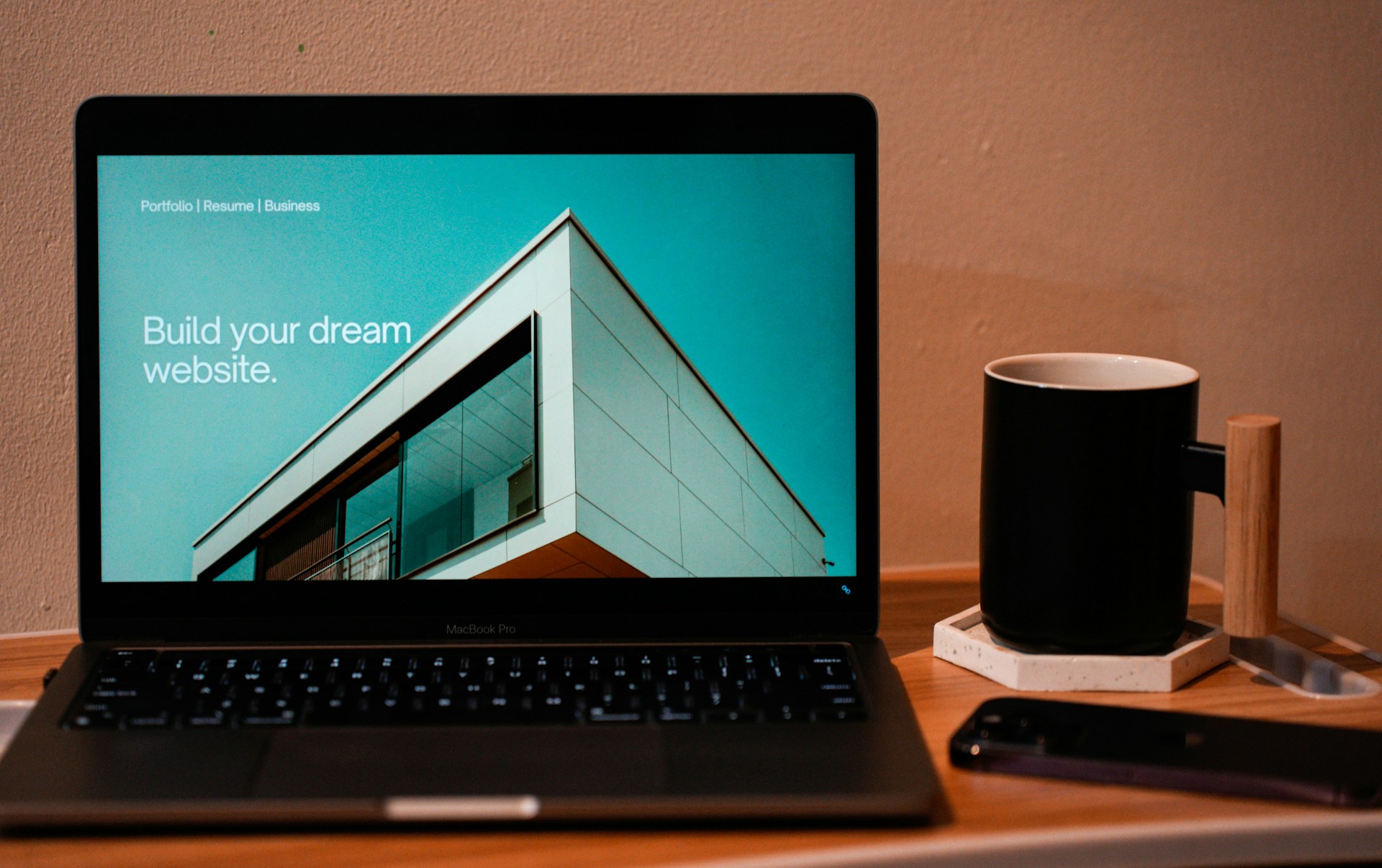
The way digital designs were done has definitely changed among the designers in the tech era. Besides just presenting the information with words and pictures, they have taken it on a brighter level with colors, theories, and even Psychological tricks. A good web design can very powerfully affect how long people will stay on the site, how quickly they will find the information, and whether they will feel the brand is friendly. Thus, it has become a must to adopt ingenious and artful web design concepts as the battle for online attention carries on between users and businesses.
Nowadays, the last thing that comes first is user-centered design in web designs. For years, designers had been focusing on making a website visually appealing; now it is the other way around where the user is made the priority. A user-centered design involves things like navigation menus that are easy to understand, fonts that are easy to read, and page arrangements that are logical. When users can easily and without any confusion navigate through a website, they are more likely to stay longer and even come back again. It has been noticed that laid-back website designs often have greater success than the elaborate ones, as the latter causes mental fatigue on the user’s part and thus hinders usability.
One more concept that had a great influence on the present day web is the responsive and mobile-first design. A great proportion of web traffic comes from smartphones and therefore, the websites in mobile devices should be attractive and easy to use at the same time. Mobile-first design starts its process by creating a mobile-friendly layout and then extending it to tablets and desktops. This not only caters to the users who are always on the go with quicker loading, better touch and reading of content due to the upgraded accessibility but also provides the users with better services.
One more feature that is a must for every web design is a visual hierarchy. The designers can manipulate the viewers’ eyes with size, colour, spacing and contrast. They are the most vital parts of a webpage: Headlines must be very noticeable, call-to-action buttons should be clearly visible, and supporting content must feel nicely positioned. Users take less time to grasp the content when visual hierarchy is strong, since they are disregarding the non-essential words.
High-quality pictures and micro-interactions continue to be the modern concepts of web designs that are still ruling the roost. The use of images, illustrations and subtle animations can help to generate a more lively feel and thus, attract more visitors to the site. The feedback is given when the user’s pointer is over an item or the button is animated and this makes them feel less tense about the interaction. However, the incorporation of these elements needs to be very prudent as it may lead to the decline in performance and the users may get bored because of the presence of too many animations.
A vital principle of web designs is the correlation of consistency and branding. A site should show up the personality of the brand via standard colors, fonts, and speaking styles. With trust established by consistency, a user can recognize the brand right away. No matter if it’s an individual portfolio or a company site, the same style maintained on all pages gives a professional and shining look.
Modern web designs are putting up accessibility as an important factor. Designers are making a website that can be used by everyone including the disabled. This entails providing contrasting colors, using the right font sizes, making navigation possible via a keyboard, and including informative alt text for images. The access-friendly design not only increases the size of a website’s audience but also provides better user experience that all users can share.
For designers in need of inspiration and practical layout solutions, delving into professional website templates and concepts can be super helpful. There is a big variety of inventive and functioning design ideas available online; for instance, structured website design examples and layouts can be visited through this resource click here By examining real world examples, the creative juices can flow and designers will know the theory through practice.
In conclusion, the web designs that succeed or triumph are those that are able to integrate creativity with practicality in the right proportions. By taking the users’ needs into consideration, making use of the right and responsive layouts, giving good visual hierarchy, being consistent in branding, and catering to the minority or people with disabilities, the web designers will produce sites that are easy on the eye, effective, and friendly to all. The designers who adopt the above-mentioned web design principles will not only keep their online presence alive but also be successful as the technology and users’ expectations change continuously.
For more, visit Pure Magazine
