Key Takeaways
- General cleaning supports routine upkeep while specialised cleaning targets hidden buildup.
- Advanced equipment and solutions improve results in high-detail or sensitive areas.
- Different situations require different levels of cleaning intensity and expertise.
Introduction
Choosing the right cleaning services often depends on how much attention a space actually needs, especially when comparing routine upkeep with more detailed specialised cleaning, which is similar to how carpet cleaning in Singapore addresses deeper layers beyond surface care. Many households maintain a regular schedule to keep surfaces tidy, yet certain situations demand a deeper approach that addresses areas not covered during standard sessions. This difference becomes more noticeable during periods of transition, such as moving or completing renovations, when hidden dust and residue start to affect overall comfort. Understanding how each type of service works helps ensure that expectations align with the results delivered.
1. Scope of Cleaning Tasks
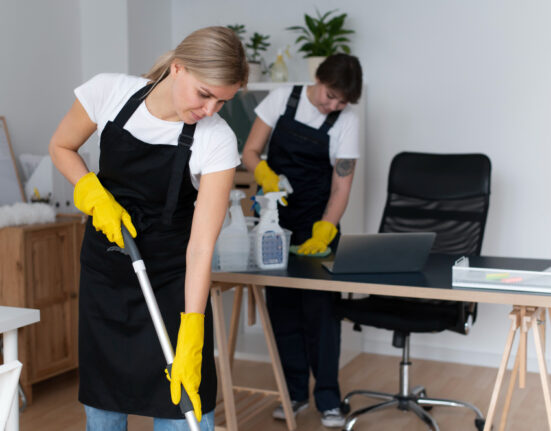
General cleaning focuses on visible areas that accumulate everyday dust and dirt, such as floors, countertops, and commonly used surfaces. This approach keeps a space manageable and presentable, which supports daily routines without requiring extensive preparation. Specialised cleaning, on the other hand, expands its scope to include less accessible areas that tend to collect buildup over time. These spaces may remain untouched during regular sessions, yet they contribute to long-term hygiene when addressed properly. The difference lies in how deeply each service reaches into the environment.
2. Equipment and Tools Used
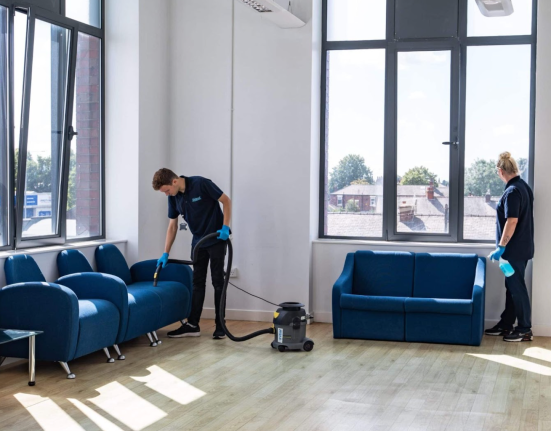
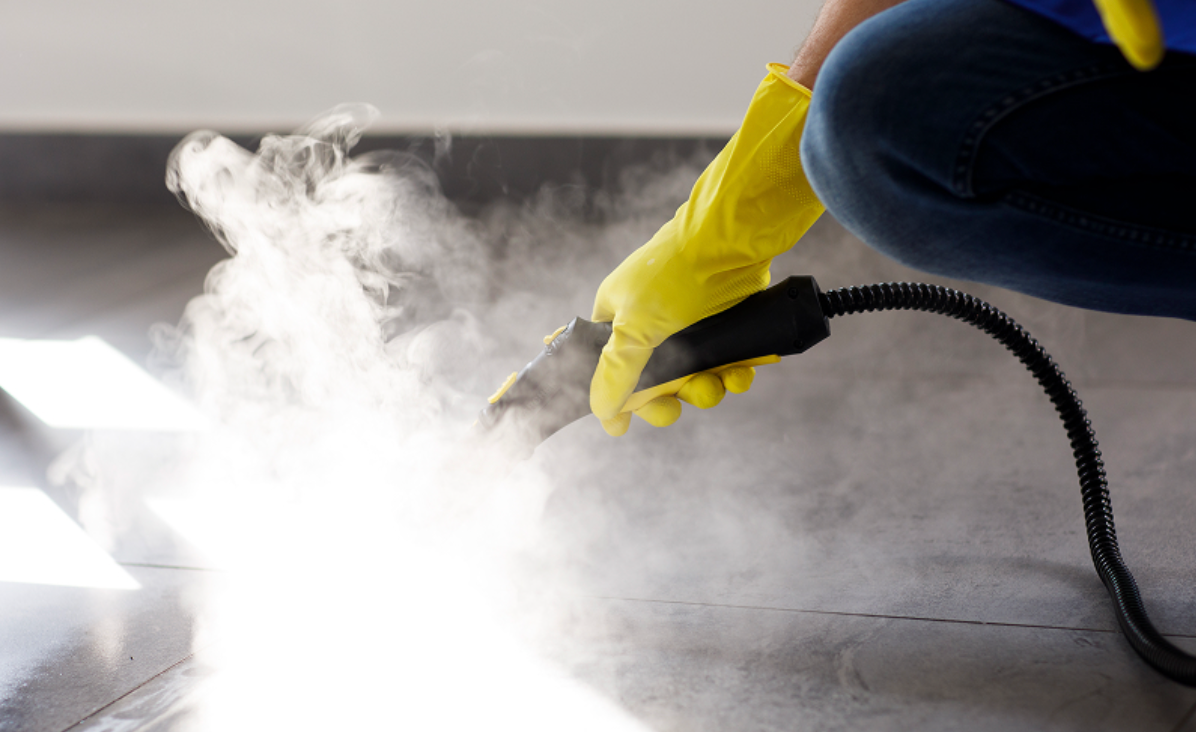
Routine cleaning typically relies on basic tools that are already familiar in most households, which keeps the process straightforward and efficient. Specialised cleaning introduces equipment designed for more intensive tasks, such as machines that apply heat or controlled pressure to remove stubborn residue. These tools allow cleaners to address surfaces that standard methods cannot handle effectively. When equipment matches the level of cleaning required, the results become more consistent and thorough across different parts of the home.
3. Type of Cleaning Solutions Applied
General cleaning uses widely available solutions that work well for maintaining everyday surfaces. These products remove common dirt without requiring complex preparation or handling. Specialised cleaning, however, involves solutions tailored to specific materials or conditions, which ensures that surfaces receive the appropriate treatment. Using the correct formulation prevents damage while improving effectiveness, especially in areas where buildup has developed over time. This distinction highlights the importance of matching products to the task at hand.
4. Time and Workforce Involved
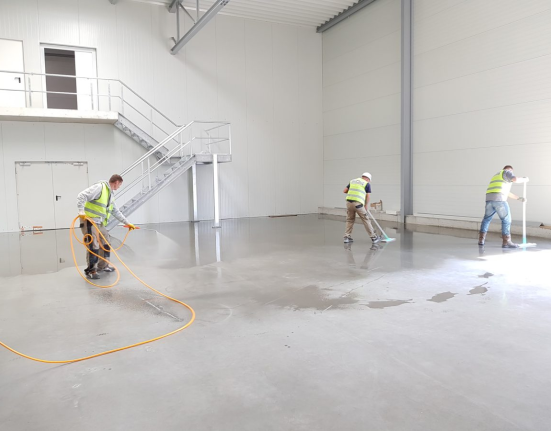
A standard cleaning session usually fits within a predictable timeframe, which makes it easy to integrate into a regular schedule, especially when working with cleaning services in Singapore. Specialised cleaning requires more time and coordination, particularly when addressing areas that need detailed attention. Larger teams may handle different sections simultaneously to complete the work within a reasonable period. This difference reflects the level of effort required to achieve results that go beyond surface-level maintenance.
5. Training and Skill Requirements
General cleaning relies on practical experience and consistency in handling routine tasks. Specialised cleaning demands a higher level of training, especially when dealing with materials or environments that require careful handling. Cleaners need to understand how different surfaces react to various methods, which ensures that the process remains effective without causing damage. This additional expertise allows them to manage tasks that extend beyond basic upkeep.
6. Situations That Require Each Service
General cleaning supports ongoing maintenance, which keeps living spaces comfortable and organised. Specialised cleaning becomes necessary during specific situations where deeper attention is required, such as preparing a space for new occupants or addressing post-renovation residue. These scenarios often involve conditions that cannot be resolved through routine methods alone. Recognising when to shift from general to specialised cleaning helps maintain both hygiene and comfort over time.
Conclusion
Cleaning needs change depending on how a space is used and what it has been exposed to over time. While routine cleaning maintains order, deeper services address underlying issues that affect overall cleanliness. Understanding this distinction allows households to choose the right approach without relying on guesswork or unnecessary repetition.
Contact Clean Care to find the right cleaning services that match your home’s level of care and hygiene needs.
For more, visit Pure Magazine