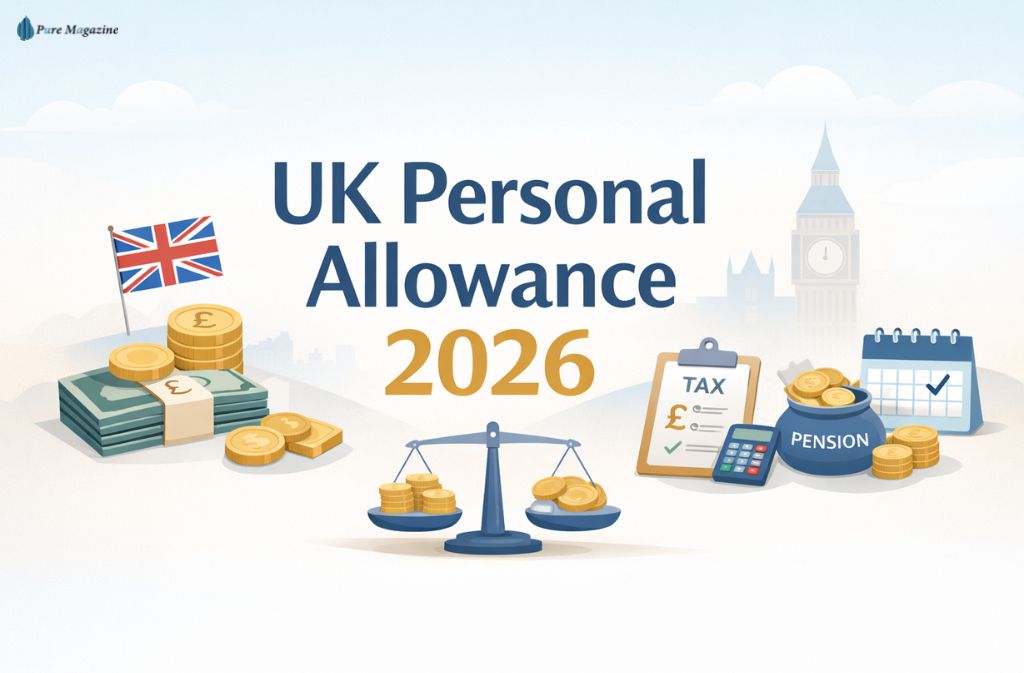
Millions of UK taxpayers are asking the same question: Will Labour increase the personal tax allowance in 2026? With inflation on the rise and wages slowly creeping up, understanding what this means for your take-home pay has never been more important. In this guide, we’ll unpack the latest 2026 figures, show who benefits most, and give practical steps to protect your income under the current rules.
Spoiler alert: the 2025 Budget confirmed a freeze on personal tax thresholds until 2031, so some hoped-for increases won’t happen—at least not yet. But don’t panic; there are ways to plan smartly.
What Is the Personal Tax Allowance?
The personal allowance is the amount of income you can earn in a year without paying income tax. For 2025/26, the numbers are clear:
- Personal allowance: £12,570
- Higher-rate threshold: £50,270
- Additional rate: 45% on income above £150,000
- National Insurance contributions (NICs): employee 8%, employer 15%
Basically, this is the slice of your earnings that’s tax-free. Many pensioners, who rely mostly on the state pension, would see a significant boost if allowances were higher—but the freeze in 2026 keeps this slice unchanged.
How Personal Allowance Impacts Different Groups
Standard Employees
For most employees, the allowance reduces taxable income. For instance, someone earning £20,000 currently pays tax on £7,430. If Labour’s proposed £14,000 allowance had passed, this person would save £286 per year. That’s not life-changing, but it’s noticeable on your monthly budget.
Pensioners
Pensioners share the same allowance as everyone else in 2026. With rising state pensions, this freeze means some pensioners will now pay income tax that previously would have been tax-free.
Higher-Rate Taxpayers
If you earn above £50,270, the higher-rate threshold hasn’t changed. So your top-rate tax continues at 40% above the basic threshold, and 45% for the very top earners. In other words, Labour’s intended boost has little effect here.
Freelancers and Self-Employed
Freelancers face a double challenge: income tax plus NICs. Even if allowances had increased, NICs remain unaffected. Planning, such as through salary sacrifice or pension contributions, is key to reducing taxable income legally.
Labour’s Proposed Allowance Increase (What Was Expected)
Historically, Labour governments have tried to help low- and middle-income earners by boosting allowances, while keeping thresholds for higher earners unchanged. Rumors in 2025 suggested:
- Standard allowance: £14,000
- Pensioners: £14,500
This would have meant thousands of pounds in extra take-home pay for some taxpayers, especially pensioners and middle earners.
Reality in 2026: The Chancellor’s 2025 Budget froze all personal tax thresholds until 2031. This is sometimes called fiscal drag—even as wages rise with inflation, frozen thresholds pull more people into higher tax brackets.
Proposed vs Actual 2026
| Group | 2025 Allowance | Proposed Labour 2026 | Actual 2026 | Notes |
|---|---|---|---|---|
| Standard Employee | £12,570 | £14,000 | £12,570 | Freeze continues |
| Pensioners | £12,570 | £14,500 | £12,570 | No extra relief in 2026 |
| Higher-Rate Taxpayer | £12,570 | £14,000 | £12,570 | Top rates unchanged |
So, despite Labour’s intention to increase take-home pay, nothing changes in 2026.
Real-World Examples
Scenario 1 – Single Employee, £20,000 income
- Current allowance: £12,570 → taxable income £7,430 → tax £1,486
- Proposed Labour: £14,000 → tax £1,200
- Actual 2026 (freeze): £12,570 → tax £1,486
Scenario 2 – Pensioner, £13,500 state pension
- Proposed allowance: £14,500 → no tax
- Actual 2026: £12,570 → taxable income £930 → tax £186
Scenario 3 – Freelancer, £40,000 combined income
- Planning with pension contributions or salary sacrifice helps reduce taxable income and NICs, which the allowance freeze doesn’t affect.
Common Misconceptions
- Allowance ≠ Threshold: Don’t confuse personal allowance with higher-rate thresholds. They’re related but not the same.
- NICs are separate: A higher allowance reduces income tax but doesn’t lower National Insurance contributions.
- Fiscal drag exists: Frozen allowances mean wage growth pushes more of your income into taxed brackets.
Expert Tips to Maximize Take-Home Pay in 2026
Even with frozen thresholds, you can take steps to reduce tax legally:
- Salary Sacrifice & Pension Contributions: Contribute more to pensions to lower taxable income.
- Marriage Allowance: Transfer £1,260 of unused allowance to your partner; save up to £252 per year.
- Professional Expenses: Claim work-related expenses like uniforms, subscriptions, or tools.
- Watch the Taper Zone: If you earn over £100,000, your personal allowance is gradually withdrawn. Pension contributions can help here too.
FAQs
Q1: Will the UK personal tax allowance increase in April 2026?
A1: No. For the 2026/27 tax year, the personal allowance remains at £12,570. Any income above this threshold continues to be taxed according to standard UK income tax rates.
Q2: Is there a pensioner-specific personal allowance in 2026?
A2: No. Pensioners share the same £12,570 personal allowance as working-age adults. However, rising state pensions may push some pensioners into taxable income, so it’s important to plan accordingly.
Q3: How does National Insurance (NICs) interact with the personal allowance?
A3: National Insurance contributions are separate from income tax. Even with frozen allowances, NICs still apply—employee rate is 8%, and employer rate is 15%. Planning salary and pension contributions can help optimize overall take-home pay.
Q4: How much could Labour have increased the personal allowance in 2026?
A4: Labour had proposed raising the personal allowance to £14,000 for standard earners and £14,500 for pensioners. However, the 2025 Budget freeze means these increases did not take effect.
Q5: Where can I verify official UK personal allowance updates for 2026?
A5: Reliable sources include:
- Gov.uk – Income Tax Allowances
- HMRC official guidance
- Institute for Government briefings
Key Takeaways
- Freeze continues: £12,570 personal allowance in 2026 for all taxpayers.
- Pensioners affected: No new relief despite rising state pensions.
- Middle-income earners: Fiscal drag could increase their tax bills.
- Higher-rate taxpayers: Mostly unaffected, except for a small early allowance benefit.
- Planning matters: Salary sacrifice, Marriage Allowance, and expense claims can help protect take-home pay.
Even though Labour’s intended increase didn’t materialize, understanding the rules and smart planning techniques ensures you keep as much of your income as possible.
Related: HMRC Pension Tax Code Rule Change Explained for Pensioners