


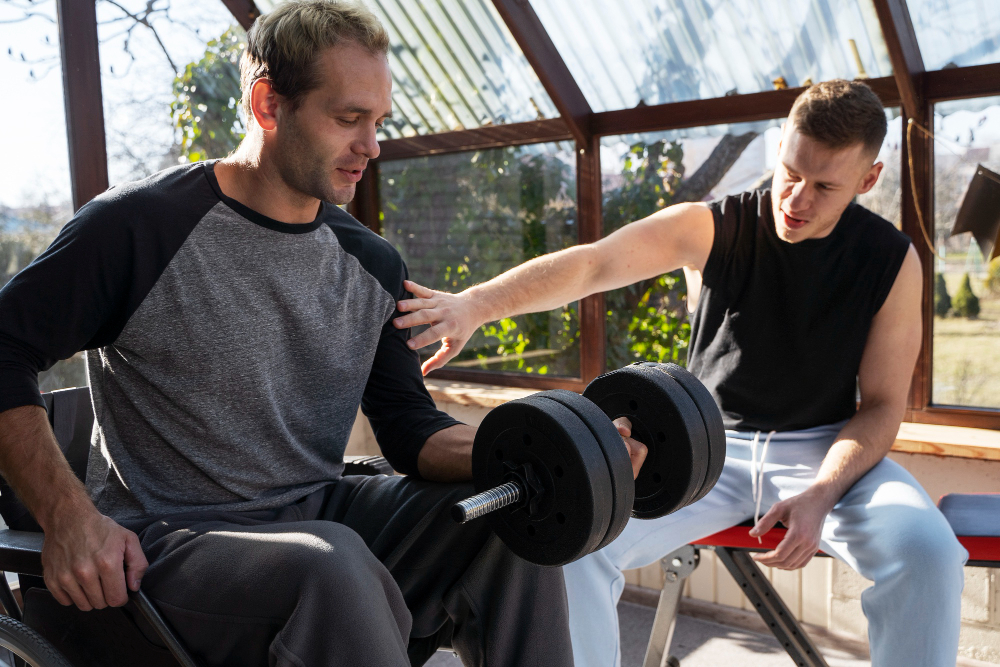
Aging is an inevitable part of life—but losing strength, mobility, and independence doesn’t have to be. One of the most powerful tools for maintaining health and vitality as we grow older is strength training. Even more impactful is doing it under the guidance of a qualified personal trainer. As the body changes with age, professional supervision becomes not just helpful, but essential.
Here’s why investing in a personal trainer for strength training is one of the smartest decisions you can make as you age.
1. Muscle Loss Is Inevitable—But Reversible
After the age of 30, adults naturally lose 3–8% of muscle mass per decade, a process known as sarcopenia. Without intervention, this muscle loss accelerates with age, leading to:
- Reduced strength
- Slower metabolism
- Higher risk of falls
- Difficulty with everyday activities
A personal trainer designs structured strength programs that actively counteract muscle loss, helping you rebuild strength safely and efficiently at any age.
2. Injury Prevention Through Proper Technique
As joints stiffen and balance declines, the risk of injury increases—especially when lifting weights incorrectly. Many older adults avoid strength training altogether for fear of hurting themselves.
A personal trainer:
- Teaches proper form and posture
- Selects appropriate resistance levels
- Modifies exercises for joint pain, arthritis, or previous injuries
- Ensures safe warm-ups and recovery strategies
This dramatically lowers the risk of strains, tears, and long-term damage while increasing confidence in movement.
3. Tailored Programs for Individual Needs
No two bodies age the same way. Some people deal with osteoporosis, others with knee pain, back issues, heart disease, or diabetes. Generic workout plans don’t account for these differences.
A personal trainer creates a customized strength program based on:
- Medical history
- Current fitness level
- Mobility limitations
- Personal goals
This personalized approach ensures you get results without compromising your health.
4. Improved Bone Density and Fall Prevention
Strength training is one of the most effective ways to prevent and slow osteoporosis. It increases bone density, improves balance, and strengthens stabilizing muscles—all key factors in preventing falls.
A trainer incorporates:
- Weight-bearing exercises
- Balance drills
- Core-strengthening movements
These elements significantly reduce the likelihood of fractures and life-altering injuries.
5. Consistency, Motivation, and Accountability
Motivation often declines with age due to fatigue, pain, or fear of injury. A personal trainer acts as:
- A motivator on low-energy days
- An accountability partner to keep you consistent
- A confidence builder as you see progress
This consistency is what transforms strength training from a short-term effort into a lasting lifestyle.
6. Better Mobility, Balance, and Independence
Strength training is not just about lifting weights—it’s about preserving your ability to:
- Walk comfortably
- Stand from a chair
- Carry groceries
- Climb stairs
- Move without fear of falling
A trainer builds functional strength that directly supports daily living, helping you stay independent longer.
7. Supports Chronic Disease Management
Strength training under professional supervision has been shown to improve:
- Blood sugar control (diabetes)
- Joint health (arthritis)
- Heart health
- Blood pressure
- Weight management
A knowledgeable trainer understands how to adjust workouts around medical conditions while still delivering powerful health benefits.
8. Mental Health and Cognitive Benefits
Aging isn’t just physical—it impacts mental health too. Strength training improves:
- Mood and stress levels
- Sleep quality
- Confidence and self-esteem
- Cognitive function
Training with a professional adds social interaction and emotional encouragement, which are especially important for older adults.
9. Faster, Safer Progress
Many older adults stay stuck doing the same light routines for years without seeing real improvement. A personal trainer safely progresses your training, increasing resistance, refining technique, and ensuring continued results without overtraining.
This means:
- Stronger muscles
- Higher energy
- Better posture
- Greater quality of life
10. It’s Never “Too Late” to Start
One of the biggest myths about aging is that strength training becomes unsafe after a certain age. In truth, research consistently shows that people in their 60s, 70s, and even 80s can significantly improve strength, balance, and mobility with the right program.
A personal trainer ensures you start at the right level and progress at the right pace—no matter your age.
Final Thoughts
Aging may be inevitable—but weakness, frailty, and loss of independence don’t have to be. Strength training is one of the most powerful tools for staying healthy, confident, and capable as you grow older. When guided by a qualified personal trainer, it becomes safer, more effective, and dramatically more sustainable. Come and visit us at: Fitness Trainer Epson.
Investing in a personal trainer isn’t just about fitness—it’s about protecting your future health, independence, and quality of life. Use Heath & Safety Software
For more, visit Pure Magazine

