Most people, when they think about a luxury spa weekend in Germany, picture Bavaria. The Bavarian Alps, a lake somewhere, perhaps a schloss. The Palatinate does not tend to feature in that mental shortlist, which is, frankly, its greatest advantage. The region sits in the southwest, bordered by Alsace to the east and the Rhine to the south, and it has been quietly doing things very well for a long time without attracting the kind of crowds that ruin the peace a spa holiday is supposed to provide.
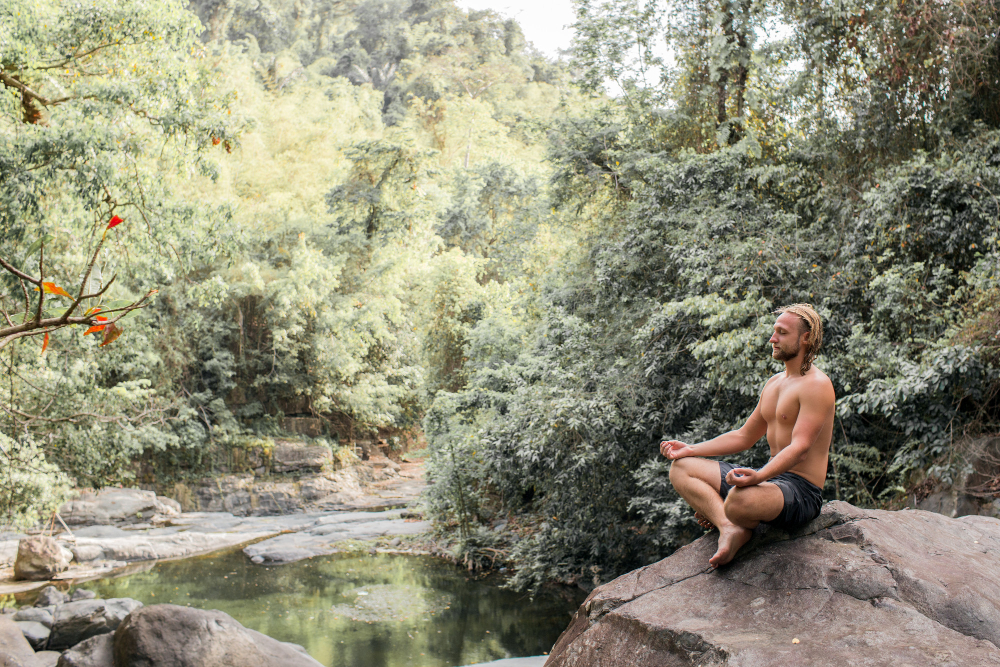
The Pfalzblick luxury spa hotel in Germany sits at the edge of Dahn, in the part of the Palatinate known as the Dahner Felsenland: rockland, more or less, named for the red sandstone formations that rise out of the forest in shapes that seem slightly improbable. These are not the grand peaks of the Alps. They are something stranger and more intimate: formations with names, histories, castle ruins perched atop them, trails threading between them. It is the kind of landscape that rewards slow exploration rather than ticking off summits.
The Pfalzblick has been family-run since 1987, when Marion and Dr Manfred Maus bought an empty hotel in Dahn on something close to instinct and turned it into a passion project over the following decades. That history matters because it shows. The property has the kind of coherence that only comes from people who have been making decisions about the same place for nearly forty years – the spa expanded thoughtfully, the kitchen developed its own identity, the garden grew into something genuinely special.
That garden now covers 61,000 square metres and includes a natural swimming pond, one of those features that looks like a minor detail until you actually swim in it on a warm evening and realise it is the best thing about the day. The outdoor sauna island sits within it. The wellness area as a whole takes the forest as its reference point rather than the kind of generic luxury aesthetic that makes every spa hotel look identical: panoramic saunas, water worlds, treatment rooms using Vinoble natural cosmetics and Thalgo, a relaxation room with views that make it genuinely difficult to leave.
The food leans hard into the region’s Franco-German position. The Palatinate and Alsace together form one of the most interesting culinary corridors in Europe, and the kitchen here takes that seriously: seasonal dishes, regional wines, and a cheese selection supplied by Bernard Antony, one of France’s most respected maître affineurs. The wine cellar runs to 170 different bottles, with the local Palatinate and Alsatian labels well represented.
Rooms and suites all have balconies or terraces. The hiking trails – over 1,000 kilometres of them, including premium marked routes that start directly from the hotel grounds – are usable before breakfast.
It is not the Alps. It is better, for what it is: a luxury spa hotel in Germany with a genuine sense of where it sits in the world.
For more, visit Pure Magazine