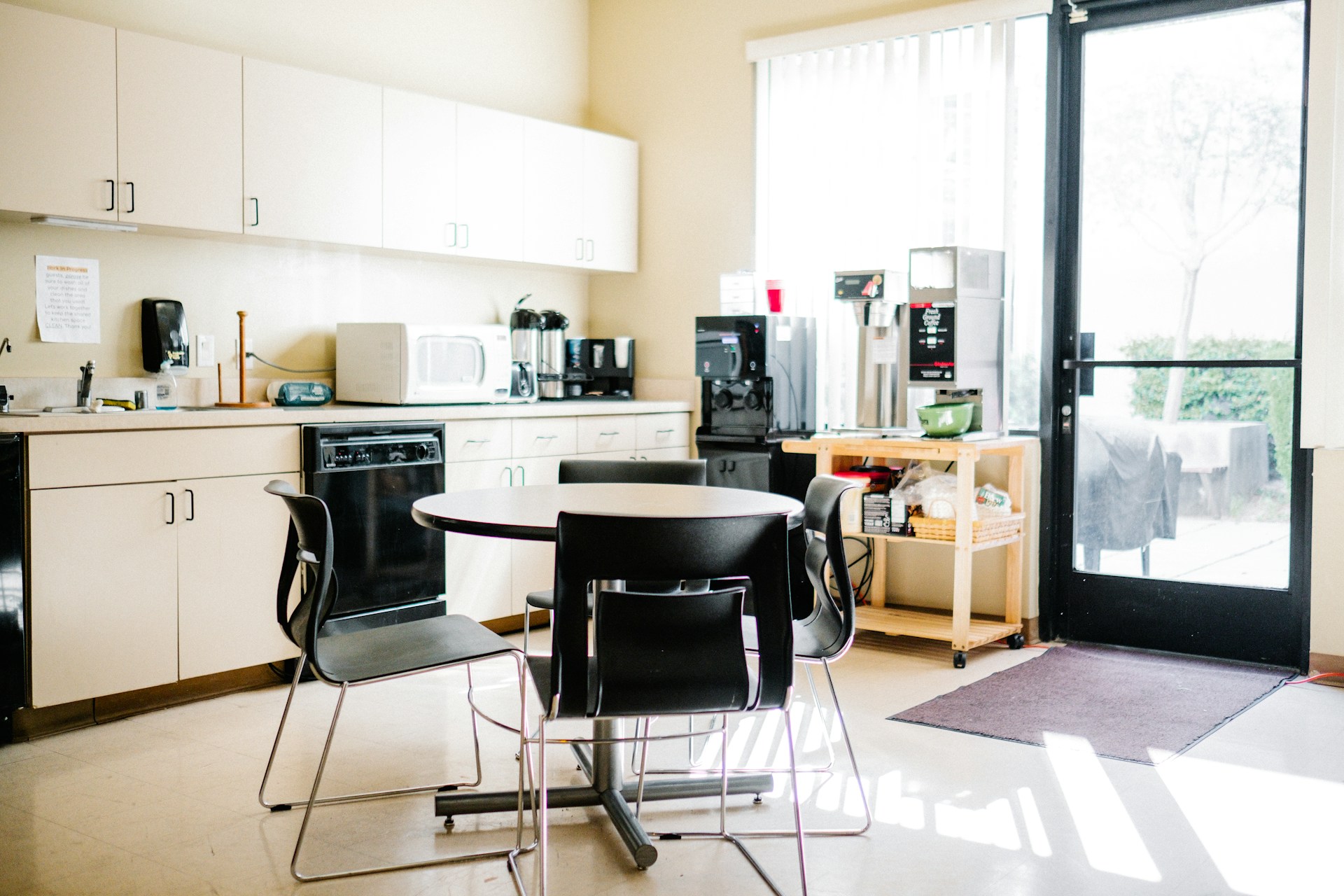
For many homeowners, the kitchen quietly becomes the most important room in the house. Not because it’s the largest or most decorative space, but because it absorbs more daily activity than almost any other area. Mornings begin there, meals are prepared there, conversations happen there, and routines naturally overlap. Over time, even kitchens that were once considered modern can start to feel restrictive or inefficient.
This realization often comes slowly. Cabinets still open, appliances still run, and nothing appears “broken.” Yet the space feels harder to use. Cooking feels cramped. Storage never seems adequate. Lighting feels insufficient. These small frustrations add up until homeowners recognize that the kitchen no longer fits the way they live.
That’s usually when people begin looking into options like professionally planned kitchen remodeling in Sacramento, not because they want something trendy, but because the space itself has stopped supporting everyday life.
When a kitchen works, but not well
One of the most common reasons homeowners delay kitchen renovations is that the room technically still functions. There’s no leak, no structural failure, and no urgent repair demanding attention. But functionality on paper doesn’t always translate to comfort in practice.
Older kitchens were often designed around different habits. Fewer appliances, less storage demand, and more separation from living spaces were once standard. As lifestyles change, those layouts can feel increasingly awkward. Narrow walkways, poorly placed appliances, or limited prep areas create friction during even simple tasks.
Cosmetic updates may help temporarily, but they rarely solve deeper layout or flow issues. At that point, remodeling becomes less about how the kitchen looks and more about how it performs.
Layout shapes daily experience more than finishes
Many homeowners assume their kitchen feels small because it lacks square footage. In reality, inefficient layout is often the bigger issue. A poorly planned kitchen can feel cramped regardless of size, while a well-designed layout can make a modest space feel open and comfortable.
Reworking layout often has the greatest impact. Adjusting appliance placement, shortening distances between prep and cooking zones, or improving sightlines to adjacent spaces can completely change how the kitchen feels. These changes improve movement, reduce congestion, and make the space easier to share.
Because layout decisions often affect plumbing, electrical, and ventilation systems, they require careful planning. When done correctly, however, they tend to deliver the biggest long-term improvements.
Lighting and storage are often underestimated
Two elements that quietly define kitchen usability are lighting and storage. Kitchens that rely on a single overhead fixture often feel dim and impractical. Adding layered lighting; ambient, task, and accent, improves visibility and makes the space more comfortable at all hours of the day.
Storage plays an equally important role. Deep cabinets without organization, unused vertical space, or awkward corner units create clutter and inefficiency. Thoughtful storage solutions help keep surfaces clear and workflows smooth, even during busy moments.
These improvements may not stand out immediately, but they dramatically affect how the kitchen feels to use every day.
The kitchen as a shared space
Modern kitchens are rarely isolated. They connect to dining areas, living rooms, and sometimes outdoor spaces. When a kitchen doesn’t flow well with the rest of the home, it can disrupt how the entire house feels.
Opening sightlines, improving transitions, or adjusting seating areas can make the kitchen feel more welcoming without expanding its footprint. These changes often encourage people to linger rather than pass through quickly.
A well-integrated kitchen supports both quiet routines and social interaction, adapting naturally to different moments throughout the day.
Systems behind the walls matter just as much
One of the biggest advantages of kitchen remodeling is the opportunity to address what’s hidden. Electrical capacity, plumbing lines, ventilation, and insulation often age quietly. While they may still function, they may not support modern appliances or usage patterns effectively.
Updating these systems during a remodel is far more efficient than addressing them later. Walls are already open, layouts are being adjusted, and access is easier. This approach reduces future disruption and ensures that new finishes aren’t compromised by outdated infrastructure.
Improved systems also lead to better energy efficiency, more reliable performance, and fewer unexpected issues over time.
Remodeling as a long-term decision
Kitchen remodeling is rarely a short-term choice. It’s an investment in daily comfort and long-term usability. Homeowners who focus only on trends often find themselves dissatisfied again within a few years.
By contrast, kitchens designed around function, durability, and adaptability tend to age well. Timeless layouts, quality materials, and thoughtful planning help the space remain relevant as needs evolve.
This approach reduces the likelihood of repeated renovations and allows homeowners to enjoy the kitchen without constantly feeling the need to update it.
Why coordination makes such a difference
Kitchen remodels involve many interconnected elements: cabinetry, appliances, lighting, plumbing, ventilation, and finishes must all work together. Without coordination, even small projects can lead to delays or compromises.
Working with experienced professionals helps ensure that decisions made early support the entire project. When planning and execution are aligned, renovations tend to proceed more smoothly and deliver more consistent results.
Professional oversight also helps homeowners avoid common pitfalls, such as underestimating timelines, overlooking code requirements, or choosing solutions that don’t perform as expected.
Living through the renovation process
There’s no denying that kitchen remodeling involves disruption. Cooking routines change, noise becomes part of daily life, and patience is required. However, many homeowners find that addressing issues comprehensively is far less frustrating than living indefinitely with a kitchen that doesn’t work.
Clear planning, realistic timelines, and thoughtful sequencing can minimize inconvenience. And once the work is complete, the benefits are felt immediately.
A kitchen that supports daily routines reduces stress, improves efficiency, and often becomes a place people genuinely enjoy spending time in.
Beyond resale value
While kitchen remodeling is known to increase resale value, its greatest return is often personal. The improvements affect daily life in ways that are difficult to quantify financially.
Better lighting, improved storage, smoother workflows, and a more comfortable atmosphere change how the home is experienced every day. These benefits are felt long before a home ever goes on the market.
For many homeowners, this is what makes the investment worthwhile.
Outgrowing a kitchen doesn’t mean something is wrong with the house. It means life has changed. Remodeling offers the opportunity to realign one of the most important spaces in the home with how it’s actually used today.
By focusing on layout, functionality, and long-term performance, rather than surface trends, homeowners can transform a familiar kitchen into a space that feels intuitive, comfortable, and built to last. With thoughtful planning and experienced guidance, kitchen remodeling becomes less about change for its own sake and more about creating a space that truly works for the people who use it every day.
For more, visit Pure Magazine