


It happens in almost every town and city. There is a mechanic, a detailer, a restoration specialist, or a driving instructor who has been doing genuinely excellent work for years. Their existing customers swear by them. Word of mouth keeps them reasonably busy. But somewhere across town there is a competitor doing work that is objectively less impressive who consistently shows up first in search results, wins the new customers, and charges more for the privilege.
The difference is almost never the quality of the work. It is the quality of the online presence and the willingness to let that presence do the work of building trust with people who have not experienced the business yet. The automotive industry has a trust problem that predates the internet and a good website is one of the most powerful tools an independent operator has for separating themselves from it.
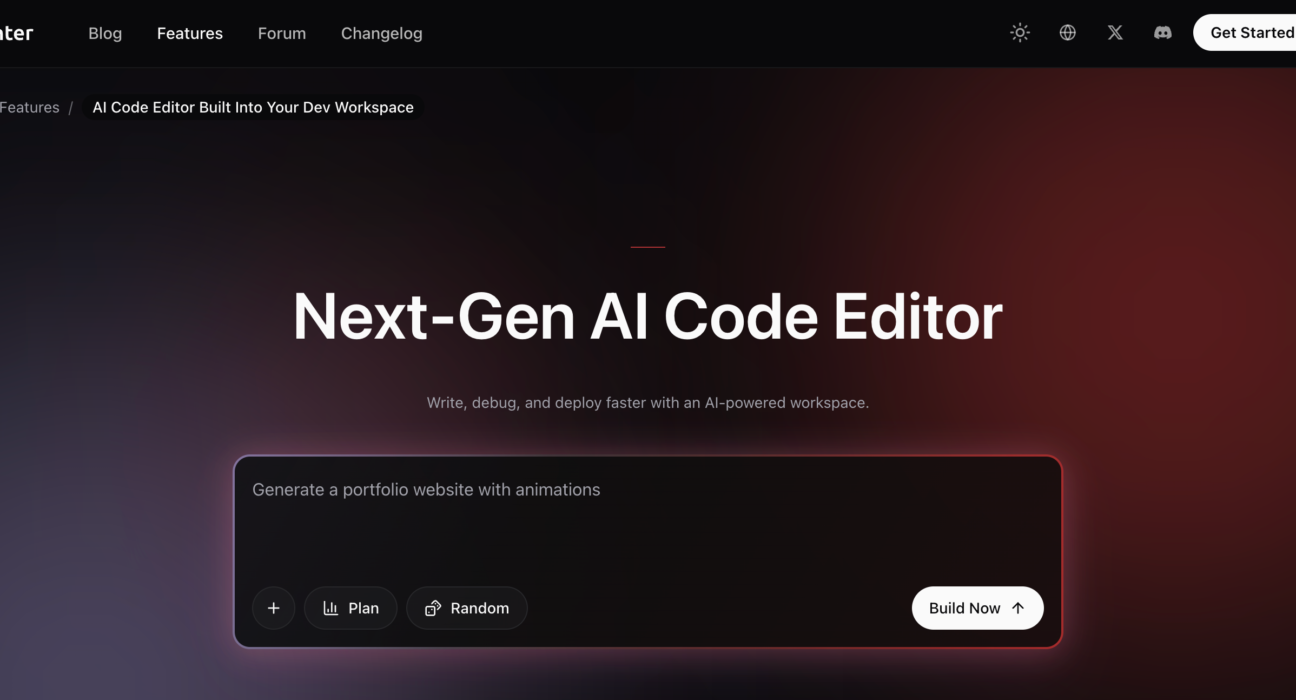
Enter Pro is one of the platforms independent automotive businesses are using to build that kind of credible, professional online presence without the cost of agency fees that eat into already tight margins. For shops and specialists who want precise control over how their service menus, before and after galleries, or booking systems are structured, having a free code editor within the platform means those details are handled the way the business owner actually wants them rather than the way a template dictates.
The Trust Deficit That Every Automotive Business Inherits
Walk into any mechanic for the first time and there is a baseline level of wariness that most customers bring with them regardless of how that specific shop has earned it. The automotive industry’s reputation for opaque pricing, unnecessary upselling, and work that cannot be verified by the person paying for it has created a trust deficit that individual operators inherit whether they deserve it or not.
This is not just a perception problem. It is a business opportunity. Because in an industry where trust is so scarce, the operator who communicates transparency, honesty, and genuine expertise online stands out with extraordinary clarity. You are not competing against perfection. You are competing against an industry average that has set the bar remarkably low and that means a modest investment in communicating trustworthiness delivers returns that would be impossible in a higher-trust industry.
Before and After Content That Does the Selling for You
No form of content works harder for automotive businesses than genuine before and after documentation. The dull paintwork that becomes a mirror finish. The rust-eaten panel that disappears under a flawless repair. The engine bay that goes from decade of neglect to showroom condition. The car that arrived barely roadworthy and leaves transformed.
These transformations are genuinely dramatic and they communicate technical competence in a way that no amount of descriptive text can match. A potential customer looking at a sequence of your before and after work is not just seeing evidence of skill. They are imagining their own vehicle receiving the same treatment and forming a belief that you are the person who can deliver it.
Most automotive businesses have this content available in some form, on their phones from jobs they were proud of, but never organize or present it properly. A dedicated gallery section structured by service type, vehicles worked on, or transformation category turns an informal collection of proud work into a compelling portfolio that convinces new customers before they have ever spoken to anyone.
Picking a Platform for a Trade Business With High Visual Needs
Automotive businesses sit in an interesting middle ground between trade service and visual showcase. The practical information, services offered, pricing approach, location and hours, needs to be clear and accessible. The visual content, the transformation galleries, the vehicle photography, the process documentation, needs to be presented with enough quality to do justice to the work.
Before committing to any builder, working through a proper comparison of the best website maker options with a visual-heavy trade business in mind reveals which platforms handle this combination well. The ability to display high quality image galleries alongside clear service information, booking or quote request forms, and local SEO-optimized content in a single coherent site is the specific combination automotive businesses need. Platforms that handle one of these well but make the others clunky create a site that works for some visitors and fails others.
Transparent Pricing as the Differentiator Nobody Is Using
Pricing opacity is so normalized in the automotive industry that most operators assume it is simply how the business works. Quotes are given in person, after inspection, and the idea of publishing prices online feels either impossible given the variability of the work or strategically unwise given the competitive implications.
But consider what a potential new customer experiences when they are trying to decide who to trust with their vehicle. They visit five websites. Four of them say contact us for a quote without giving any indication of what anything costs. One of them gives a clear starting from price for a service, explains what affects the final cost, and describes exactly what is included. That fifth business immediately feels more trustworthy than the other four not because its prices are lower but because its willingness to be transparent about them signals confidence and honesty.
Even ballpark pricing ranges, clearly explained, do more for new customer acquisition than the vague contact us approach that treats pricing like a competitive secret worth guarding at the cost of every first-time visitor who wanted some basis for comparison.
Making Technical Expertise Accessible to Non-Technical Customers
Most automotive professionals communicate their expertise in language designed for other automotive professionals. Technical specifications, part numbers, procedure names, diagnostic terminology. This is the natural language of the work and it is genuinely incomprehensible to the majority of customers who need the work done.
A website that translates that expertise into plain language, that explains what a service involves and why it matters in terms a non-technical car owner can understand and act on, builds a different kind of trust than credential-heavy technical communication does. It signals not just that you know what you are doing but that you respect your customers enough to help them understand it.
This is particularly important for acquiring new customer segments that the automotive industry has historically underserved. First-time car owners, female drivers who report feeling talked down to or taken advantage of in automotive settings at rates that represent a significant lost market, and older customers navigating increasingly complex vehicle technology all respond to plain language explanation with a loyalty that more technically-oriented communication rarely generates.
Video as the Content Format Automotive Businesses Are Ignoring
The automotive industry is one of the highest-performing categories on video platforms globally. Car culture, modification content, restoration documentaries, technical how-to videos, driving content of every description attracts enormous audiences. Yet most independent automotive businesses produce no video content at all and their websites reflect none of the storytelling potential that video uniquely enables.
A short time-lapse of a full detail from start to finish. A thirty second clip of an engine running for the first time after a restoration. A simple explanation of what a particular service involves and why it is worth doing. These are not production-heavy projects. They are honest documentation of real work that happens in your business every week and that most of your potential customers would find genuinely compelling.
Enter Pro makes embedding and presenting video content within your site clean and manageable enough that building video into your regular content approach does not require a separate strategy or a dedicated platform. It simply becomes part of how you show your work.
Conclusion
The best automotive businesses do the kind of work that should speak for itself and for the customers who have already experienced it, it does. The challenge is the customer who has not experienced it yet, who is searching online for someone to trust with their vehicle, who has no reference point beyond what your website communicates in the first thirty seconds of their visit. Building a presence that earns that trust through transparency, genuine documentation of real work, and communication that respects the intelligence of a non-technical customer is not a departure from what makes your business good. It is the thing that lets more people find out that it is.
For more, visit Pure Magazine