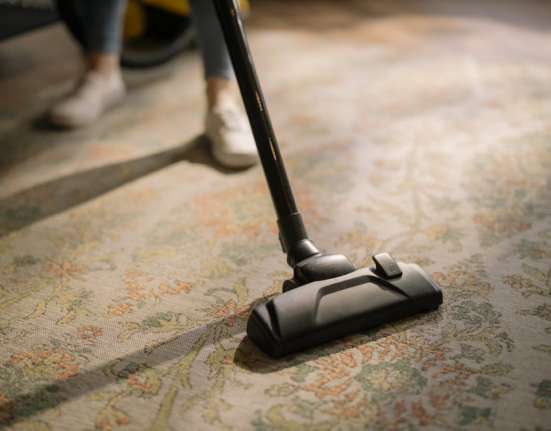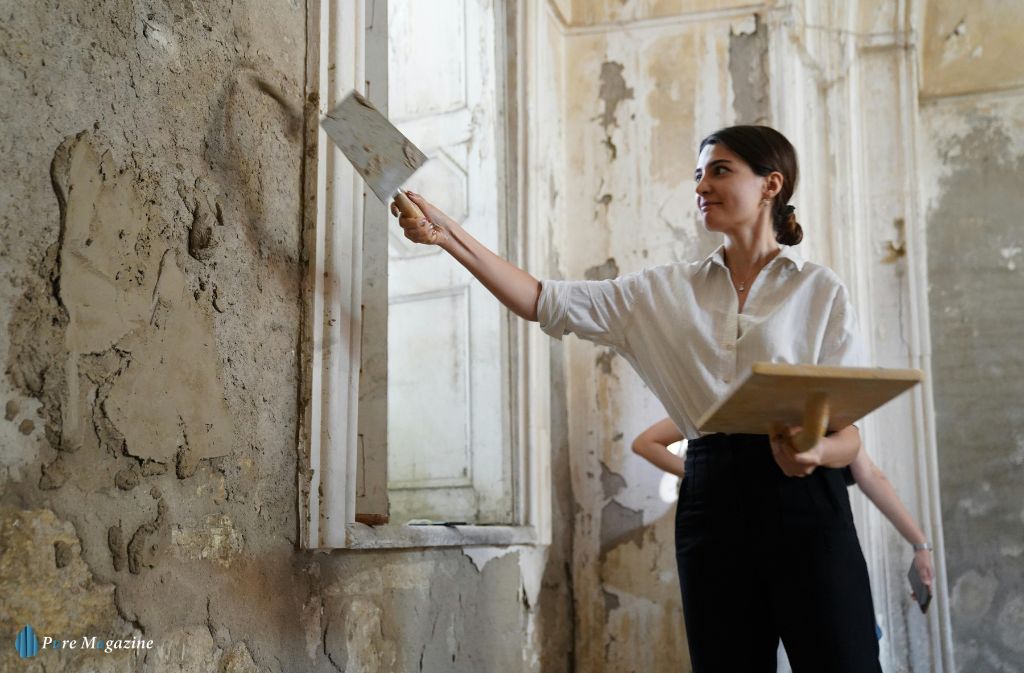
In both residential and commercial design, there has been a noticeable shift away from constant replacement and towards restoration. Rather than stripping spaces back and starting again, designers and homeowners are increasingly choosing to work with what already exists. From original timber floors to aged stone and vintage fixtures, restoring materials has become more than a practical decision. It is now a defining design preference.
This trend is rooted in a combination of sustainability, cost-awareness, and a growing appreciation for character and craftsmanship.
A More Sustainable Way to Design
One of the biggest drivers behind this shift is environmental responsibility. The construction industry is responsible for a significant portion of global emissions, much of which comes from producing and transporting new materials. By restoring what is already in place, projects can dramatically reduce waste, conserve resources, and lower their carbon footprint.
Reusing and refurbishing materials also supports the principles of a circular economy, where materials are kept in use for as long as possible rather than discarded. This approach is becoming increasingly important as sustainability moves from a niche concern to a core design priority.
Character That New Materials Cannot Replicate
Older materials often carry a level of detail and uniqueness that is difficult to recreate. Natural ageing, wear patterns, and original craftsmanship give surfaces a depth and authenticity that new materials rarely match.
Restoring elements such as timber flooring, exposed brick, or original tiles allows designers to retain the personality of a space. This is particularly valuable in period properties, where preserving character can significantly enhance both aesthetic appeal and property value.
Cost Efficiency Without Compromising Quality
While restoration may seem labour-intensive, it is often more cost-effective than complete replacement. Reclaimed or restored materials can reduce the need for purchasing new products while also cutting down on waste disposal costs.
In many cases, restoring existing features delivers a high-end finish at a fraction of the cost of installing entirely new materials. This balance between quality and cost is a key reason why restoration is gaining popularity.
A Response to Over-Standardised Design
Modern interiors have, at times, been criticised for feeling too uniform. Mass-produced materials can lead to spaces that lack individuality. Restoration offers a way to break away from this.
By keeping and enhancing original features, designers can create spaces that feel more personal and distinctive. Imperfections become part of the design rather than something to hide, adding warmth and authenticity.
Improved Durability and Longevity
Many older materials were built to last. Solid wood, natural stone, and traditional construction methods often offer greater durability than some modern alternatives.
Restoring these materials not only preserves their appearance but also extends their lifespan. For example, services like wood floor sanding Bedfordshire can bring worn timber floors back to life, improving both their look and their durability without the need for replacement.
Supporting Heritage and Storytelling
Every material has a story. Whether it is original flooring in a Victorian home or reclaimed beams from a historic building, restoration helps preserve these narratives.
This connection to the past is increasingly valued in design. It allows spaces to feel rooted and meaningful, rather than purely functional or trend-driven.
Faster and Less Disruptive Than Full Replacement
In many cases, restoring existing materials is quicker and less disruptive than removing and replacing them entirely. Demolition, disposal, and installation of new materials can significantly extend project timelines.
Restoration, on the other hand, often works within the existing structure, reducing downtime and making it a more practical option for occupied homes or businesses.
Aligning with Modern Design Values
Today’s design priorities extend beyond aesthetics. There is a growing emphasis on sustainability, authenticity, and long-term thinking.
Restoring materials aligns perfectly with these values. It reduces environmental impact, celebrates originality, and encourages a more thoughtful approach to design.
A Shift in How Spaces Are Valued
Perhaps the most important reason restoration is gaining traction is a broader change in mindset. Instead of viewing older materials as outdated, they are now seen as assets.
Designers and homeowners are recognising that what already exists often holds more value than what can be newly introduced. This shift is redefining how spaces are approached, turning restoration into a creative opportunity rather than a compromise.
A Design Approach That Looks Forward by Looking Back
Restoring existing materials is not about resisting change. It is about making smarter, more intentional choices. By combining the strengths of existing features with modern design techniques, it is possible to create spaces that are both contemporary and deeply rooted in their history.
As sustainability, individuality, and quality continue to shape design trends, restoration is set to remain a key influence in how spaces are transformed for years to come.
For more, visit Pure Magazine