


Preparedness is more than a binder on a shelf. Practical medical readiness is the habit of turning plans into actions that people can perform under pressure. It is a team sport built on simple checklists, practiced roles, and gear that works when the power flickers.
What Practical Medical Readiness Really Means
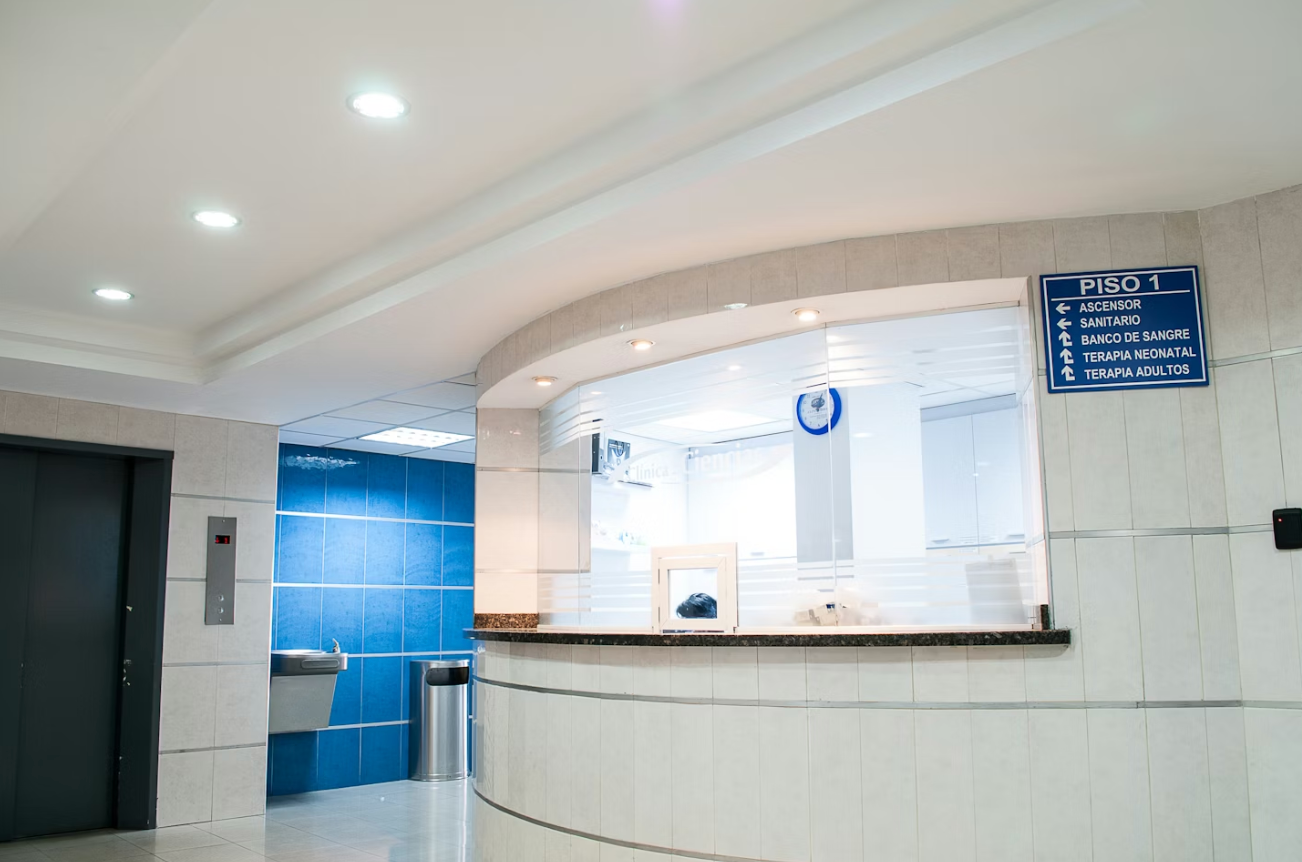
It starts at the point of care and moves outward. The mindset begins where patients first arrive – a hospital emergency unit that drills triage, handoffs, and communications so teams can act fast. From there, readiness stretches to logistics, security, facilities, and leadership so the system can flex without breaking.
Practical means realistic. Staff practice with the radios they will actually use, not placeholders. Leaders test backup oxygen, paper charting, and alternate care spaces so nothing depends on a single fragile link.
Scale The Mindset Beyond The Clinic
Surges are normal, not rare. A recent NHS Digital analysis described tens of millions of Accident and Emergency attendances in 2024 to 2025, underscoring how routine care already operates near the red line. When everyday demand is that high, a crisis does not invent new problems – it exposes old ones that were never stress tested.
This is why readiness must cross departments. Pharmacy tracks stock and substitutes, labs prebuild priority lanes, and IT rehearses downtime workflows. When each unit knows its crisis role, the whole organization speeds up, even if only one corner is under strain.
Build The Muscles that Matter
Treat readiness like conditioning – specific, repeatable, and measurable.
- Map likely hazards and name the first 5 actions for each
- Assign clear roles with backups for every shift
- Stage go-bags and mobile carts where care starts
- Prewrite messages for staff, partners, and the public
- Run short drills weekly and mixed exercises quarterly
- Track time to triage, time to first dose, and time to disposition
- After each drill, fix one process and one piece of equipment
Metrics keep this honest. If the team can move a crash cart to a new ward in 90 seconds today, aim for 60 next month. Small gains before a crisis become large wins during one.
Lead and Learn During The Storm
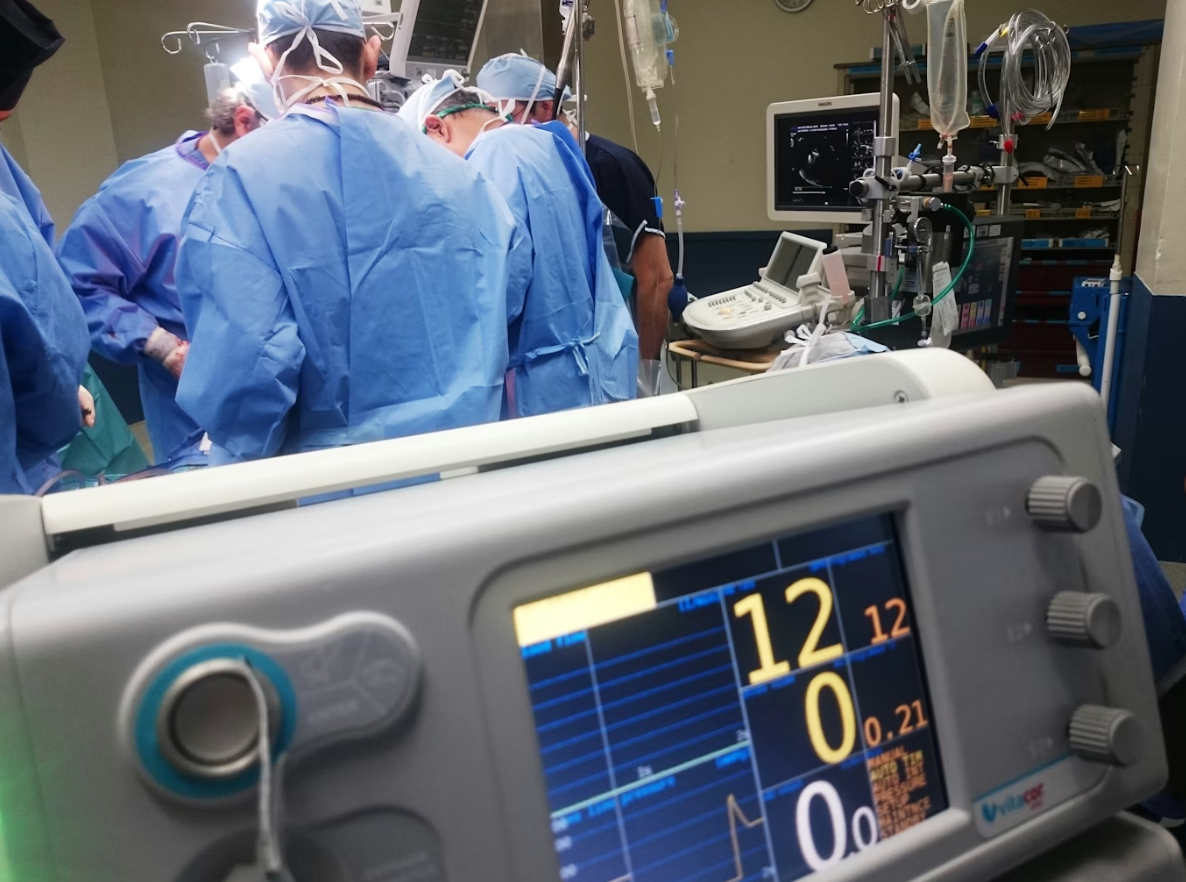
Crises rarely arrive alone. NOAA noted that the U.S. saw dozens of billion-dollar weather and climate disasters in 2023, which means multi-day disruptions are a planning baseline, not an outlier. Leaders should expect cascading effects like staff shortages, supply delays, and power instability, and build playbooks that assume two problems at once.
Command is a behavior, not a badge. Set a simple battle rhythm, keep decisions visible, and rotate leaders to prevent fatigue. After action reviews need to be blameless and fast – document what failed, what worked, and what to change before the next shift starts.
Practical readiness travels well. The same habits that move patients safely also stabilize schools, factories, and city services. Clear roles, prepositioned tools, short drills, and honest metrics make any complex system safer under stress.
When the next test comes, do not chase perfection. Aim for a team that knows its first moves, communicates in plain words, and adapts on the fly. That kind of readiness turns chaos into work that the crew already knows how to do.
For more, visit Pure Magazine