


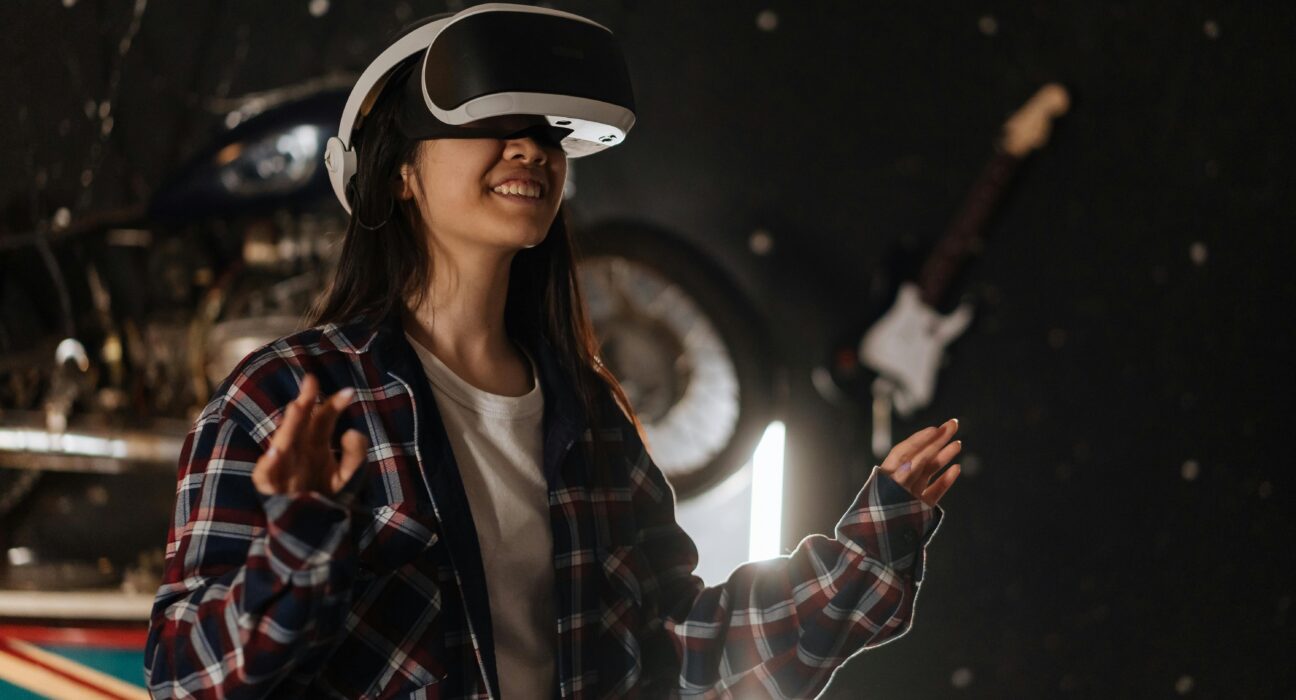
Consumer behaviour has shifted decisively in recent years, with individuals placing greater value on experiences that are immersive, participatory and socially engaging. Passive forms of entertainment are increasingly being replaced by activities that encourage interaction, competition and shared involvement, reflecting a broader move towards experience-led lifestyles. This evolution is evident across social, leisure and commercial environments, where engagement is now a defining metric of success. As a result, solutions such as entertainment hire are becoming more prominent in delivering dynamic, interactive environments that align with modern expectations and create memorable, high-impact experiences.
The Shift from Passive to Active Lifestyles
Traditional leisure habits have evolved considerably, with audiences increasingly moving away from passive consumption towards more active, participation-led experiences. Where entertainment once centred around observation, such as watching performances or browsing static displays, there is now a clear preference for environments that encourage involvement and interaction. This shift reflects a broader cultural change in how people define value, with greater emphasis placed on engagement, stimulation and shared experiences that feel meaningful and memorable.
This change in behaviour has driven the popularity of formats that deliver immediate, hands-on interaction with minimal barriers to entry. Activities designed around quick participation, competitive elements and instant feedback are particularly effective in meeting these expectations. Solutions such as a soccer launcher illustrate this trend, offering accessible and engaging experiences that allow individuals to actively take part rather than simply observe. These types of interactions align closely with modern lifestyle preferences, where involvement and experience take precedence over passive entertainment.
The Psychology Behind Interactive Experiences
The growing appeal of interactive experiences is rooted in fundamental psychological drivers that influence how individuals engage with their surroundings. Elements such as competition, achievement and reward activate intrinsic motivation, encouraging people to participate rather than remain passive. When individuals are given clear objectives, immediate feedback and the opportunity to improve performance, engagement becomes both sustained and repeatable. This creates a more compelling experience, as participants feel a sense of progression and personal involvement rather than simply consuming content.
In addition to individual motivation, social dynamics play a significant role in reinforcing engagement. Interactive environments naturally encourage shared participation, whether through friendly competition, collaborative challenges or spectator involvement. These social interactions enhance enjoyment while also increasing the likelihood of repeat engagement, as individuals are drawn back into the experience by both personal and group dynamics. As a result, gamified and interactive formats continue to gain traction across modern environments, aligning closely with the way people now seek to connect, compete and engage in their everyday lives.
Digital Influence on Real-World Expectations
Digital culture has played a significant role in shaping how people expect to interact with the world around them. From gaming to social media, individuals are accustomed to environments that provide instant feedback, clear objectives and continuous stimulation. These platforms are built around engagement loops that reward participation, which has fundamentally altered attention spans and expectations. As a result, static or passive experiences often struggle to maintain interest, particularly when compared to the dynamic and responsive nature of digital interaction.
This shift has led to a growing demand for real-world environments that mirror these digital behaviours. People now expect physical experiences to be equally engaging, intuitive and rewarding, with minimal barriers to entry and immediate opportunities for participation. Interactive games, competitive challenges and immersive setups fulfil this expectation by translating familiar digital mechanics into tangible experiences. This convergence between digital and physical engagement continues to shape modern lifestyles, reinforcing the importance of interactivity across a wide range of social and experiential settings.
The Rise of Competitive Socialising
Social interaction has increasingly shifted towards activity-based experiences, where engagement is driven by participation rather than conversation alone. Competitive socialising has emerged as a dominant trend within modern lifestyles, blending entertainment with light competition to create more dynamic and memorable interactions. Instead of traditional gatherings centred around passive activities, individuals are now drawn to environments that incorporate challenges, scoring systems and shared objectives, all of which contribute to a more engaging and energised atmosphere.
This trend has been reinforced by the versatility of interactive formats, which can cater to a wide range of audiences while maintaining a consistent level of engagement. Experiences built around games, challenges and physical interaction encourage both individual participation and group involvement, making them particularly effective in social settings. Whether through reaction-based activities, competitive games or immersive setups, these formats provide a structured yet accessible way for people to connect, compete and engage, reflecting the broader shift towards more active and experience-driven forms of social interaction.
The Future of Experience-Led Lifestyles
The trajectory of modern lifestyles suggests that interactive experiences will continue to play an increasingly central role in how people choose to spend their time. As expectations evolve, there is a clear movement towards environments that combine entertainment, engagement and social interaction into a single, cohesive experience. This shift is not limited to leisure alone but extends across commercial and public spaces, where participation is becoming a key factor in attracting and retaining attention. The demand for immersive, fast-paced and visually engaging formats is expected to grow as individuals continue to prioritise experiences that offer both enjoyment and involvement.
At the same time, advancements in experiential design are enabling more scalable and adaptable forms of interaction, making it easier to deliver engaging experiences across a variety of settings. From interactive games and football inflatables to fully integrated experiential environments, these formats are becoming increasingly sophisticated in how they capture and sustain attention. As a result, experience-led living is set to become more deeply embedded within everyday culture, with interactivity no longer viewed as an added feature but as a fundamental expectation.
Conclusion
The increasing demand for interactive experiences reflects a broader shift in how people engage with the world around them, moving away from passive consumption towards active participation. As lifestyles become more experience-driven, environments that prioritise engagement, competition and shared interaction will continue to resonate most strongly. This evolution highlights the growing importance of interactivity as a defining element of modern life, shaping not only how people socialise but also how they connect, engage and create lasting memories.
For more, visit Pure Magazine