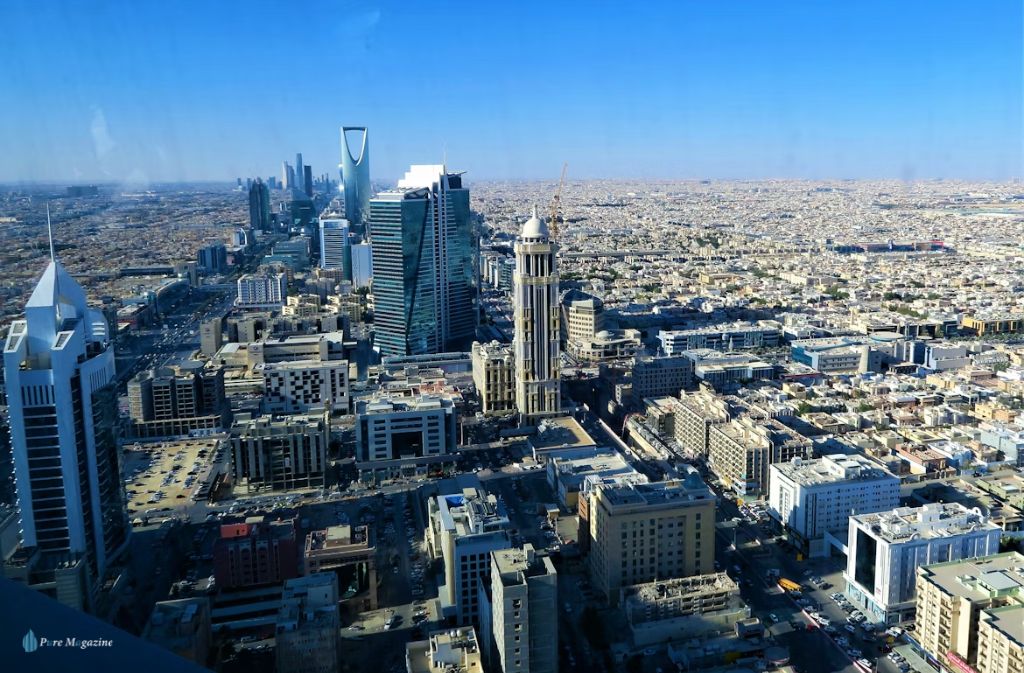
Across the Gulf, business activity is expanding beyond hydrocarbons. Governments are channeling capital into logistics, tourism, manufacturing, and digital services to diversify national income.
That shift is opening space for founders who can deliver specialized products and export-ready services.
A recent assessment from the World Bank projected solid regional momentum, with robust growth expected in the near term as non-oil sectors gather speed.
The takeaway is simple – the macro backdrop in the Gulf is no longer just about oil cycles, which helps startups plan and raise with more confidence.
Saudi Entry Pathways Are Clearer
Saudi Arabia has turned investor onboarding into a defined playbook, with clearer rules on corporate structures, permitted activities, and ownership options for foreign founders. You can navigate Ministry of Investment (MISA) Licensing to secure approvals, and then align your Articles and commercial registration with your chosen activity. The result is a faster time to launch and fewer surprises during bank onboarding or immigration steps.
This matters since speed changes your cost curve. If you can incorporate, hire, and invoice within a tighter window, your burn per milestone drops. Teams that land early position themselves for local partnerships and procurement lists before markets crowd.
Qatar’s FDI Ambition Is Real
Qatar is signaling long-term openness to capital and expertise. Policymakers have laid out targets to bring in major new investment by 2030, which nudges regulators and state entities to keep smoothing processes.
For founders, that translates to better support windows, more predictable licensing, and stronger incentives for knowledge-heavy sectors. An investment climate review from the U.S. government highlighted the country’s ambition to attract very large inflows over the decade.
That signal is useful – it suggests multi-year continuity in programs that matter to startups, like free zone benefits, IP protections, and access to anchor customers.
Bahrain Keeps Capital Friendly
Bahrain has built its niche on flexibility in financial services, fintech, and regional headquarters setups. The environment is known for pragmatic regulators, English-language documentation, and a competitive cost base compared with larger hubs.
A recent U.S. investment climate statement reported that annual FDI inflows ticked up, reinforcing Bahrain’s positioning as a stable, finance-forward gateway.
For founders, that can mean easier proof-of-concept engagements with banks, faster sandbox approvals, and a supportive path to scale into neighboring markets.
Talent, Tech, And Infrastructure Are Maturing
Founders now find faster internet, cloud-first government services, and a young, globally trained workforce across major Gulf cities.
Startup spaces and university programs are forming tight loops between research, internships, and early hiring. Freight corridors and airports make regional fulfillment feasible for e-commerce and B2B logistics.
Hiring still takes planning, but the window to assemble a credible local team is shorter than it was a few years ago. That helps international founders anchor leadership on the ground and use remote contributors for specialized roles.
As ecosystems cluster, talent circulation between startups, corporates, and government labs is boosting know-how transfer.
Practical Advantages You Can Leverage
- Quick company setup if your activity is pre-approved
- Deep enterprise buyers across energy, finance, and logistics
- Competitive free zone packages tied to exports and R&D
- Regional travel networks that keep sales cycles tight
- Cloud-first public services that cut paper load
- Stronger IP rules and commercial courts to resolve disputes
Risk And Regulation: What To Watch
Policy moves are active in the region, so assumptions should be verified before committing to spend. Taxation is evolving, and substance rules are tightening for groups that book cross-border revenue.
Banking compliance has improved, and founders should plan extra time for KYC, with multi-country structures.
Market entry means aligning your corporate purpose with local activity codes and sector caps. Some verticals require additional approvals, and labor rules may shape how you blend local and expatriate hires.
The play is to map compliance into your operating model early – that reduces rework and keeps customers confident during due diligence.
Regional Sales And Scaling Strategy
Think portfolio, not single-country exposure. A Saudi entity might drive enterprise sales and partnerships, a Bahrain or Qatar presence can support finance or R&D functions, and a UAE outpost can cover investor relations and regional marketing.
This multi-node approach spreads regulatory risk and puts you closer to customers.
Localization is a growth accelerator. Packaging, payments, and support hours tuned to local expectations raise win rates in B2B and consumer categories. It helps with public procurement, where local value rules and social impact targets can influence awards.
Funding, Valuation, And Exit Logic
As corporates expand non-oil bets, strategic checks and pilot budgets are easier to reach. Government funds and development banks are co-investing with private capital, which can de-risk early stages.
That blend tends to support steady valuations and keep a path to profitability within sight.
Exits are improving as more regional buyers look for capability acquisitions in software, data, and specialized manufacturing.
Public markets may still be selective, but trade sales and minority recapitalizations provide liquidity options. Building early with governance and audit-ready data rooms shortens timelines when opportunity knocks.
Why The Timing Favors First Movers
Economic diversification is no longer a pledge – it is a live, funded program across the Gulf. Market entry frameworks are clearer, capital is available, and customers are eager for solutions that localize well.
For founders willing to learn fast and comply early, the region offers a direct path to scale.
If you were waiting for certainty, this is as close as it gets. Set your milestones, pick a launch market, and structure your presence with regional expansion in mind. The next cycle of Gulf growth is being built right now, and the best opportunities will go to teams that show up first.
For more, visit Pure Magazine