Purple plants catch the eye, but their value goes deeper than color. For growers, fragrant purple varieties can signal robust genetics, healthy secondary metabolites, and a strong story for the marketplace.
These traits add up to practical wins. Aromas help guide harvest timing, and pigments can hint at stress tolerance. Together, they support consistency, something every successful grower chases.
The Appeal Of Purple Pigments
Purple hues often come from anthocyanins that build up as plants mature. These pigments can intensify with cooler nights and good light management, which gives skilled growers a clear lever to pull.
Color can help with uniformity checks at scale. When a crop shifts from green to purple in a predictable window, teams can coordinate pruning, feeding, and harvest tasks more efficiently.
There is consumer psychology at play. Purple buds and petals stand out visually, which can improve shelf appeal and support premium pricing without changing the core cultivation plan.
Aromas That Signal Quality
Fragrance is like a dashboard for plant health. Strong, clean aromas often point to well-fed, well-lit plants that experienced minimal stress during late flower.
Because scent changes across ripening, growers can use their nose alongside trichome checks. If a bouquet tilts from citrus to more earthy or floral, it can mark a tight harvest window that preserves desired volatiles.
Aromas help with brand identity in crowded markets. Consider how some growers spotlight grape, berry, or lavender notes to anchor a product line. This turns fragrance into a repeatable trait that customers recognize.
- Track scent notes weekly to guide harvest timing.
- Pair aroma shifts with lab tests to validate targets.
- Store samples in airtight jars to compare batches.
Genetics And Growing Conditions
The most reliable purple comes from genetics built to express color. Good breeders create lines that purple consistently, and growers finish the job with careful temperature, light, and nutrient management.
Dialing in night temperature differentials can encourage pigmentation without slowing growth. Keep airflow steady, manage VPD, and watch for nutrient balance so color expression does not come at the cost of yield.
Sometimes a single strain can pull together color, scent, and structure into a standout package. For example, the Violet Fog cannabis strain shows how a clear profile can simplify planning. When cultivars behave predictably, teams can map irrigation, IPM, and harvest calendars with fewer surprises. That predictability saves time and reduces waste.
Terpenes That Drive Effects
Fragrance comes from terpenes, and their mix shapes aroma and experience. Myrcene can read as earthy, limonene often leans citrus, and linalool brings a floral lift that many consumers spot instantly.
A peer-reviewed 2024 study available via ScienceDirect reported up to 56 mono and sesquiterpene compounds identified in sampled cannabis inflorescences, highlighting the complexity behind a simple nose test. This depth is why growers monitor the environment late in flower to avoid terpene loss.
For cultivation teams, terpene targets can guide drying and curing. Gentle temperatures and steady humidity protect volatiles, which means more of the plant’s character survives to the jar.
Market Demand For Fragrant Crops
A memorable scent can anchor word-of-mouth and drive repeat buys. When a cultivar’s aroma is distinct, customers can spot it on a shelf even before reading a label, which helps products stand out.
Industry watchers like Business Research Insights project steady growth for the terpenes market, estimating it could reach about $1.45 billion by 2035. That trend underlines how valuable fragrance has become across sectors, from botanicals to packaged goods.
For growers, this matters at contract time. Buyers increasingly ask for specific aroma notes and consistency across batches, and farms that can deliver secure, longer agreements.
Myths And Realities About Purple Strains
One common myth is that purple always means more potent. In practice, color and strength are separate traits, and selection should focus on performance, not just hue.
Education helps here. As Cannabis Training University points out, purple color does not equal potency, and many purple cultivars are comparable to green ones in strength. Fragrance and effect come from chemistry.
Growers can use this to reset expectations with buyers. Lead with test results, aroma profiles, and cure quality, then treat color as the bonus that boosts shelf appeal.
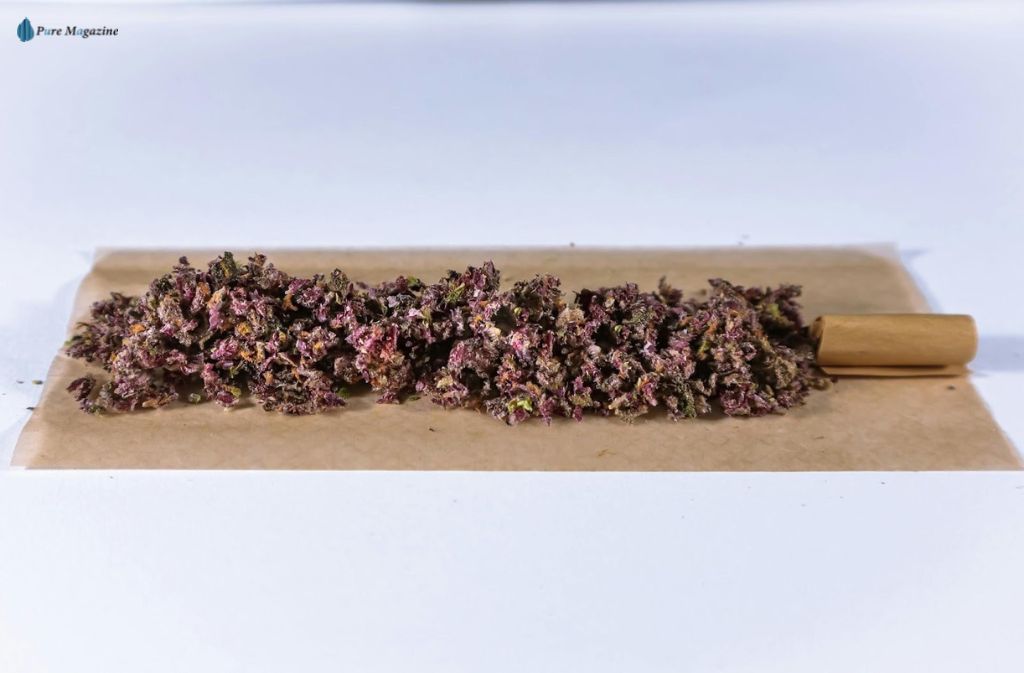
Purple and fragrant is a set of signals. When growers read those signals well, they gain tighter control over timing, quality, and brand identity, aligning cultivation choices with market expectations while protecting delicate volatiles that drive aroma, flavor, and repeat purchases.
These advantages stack up over a season, creating cleaner workflows, fewer surprises, and yields. Customers recognize difference by nose and by sight, rewarding consistency with loyalty, margins, and relationships.
For more, visit Pure Magazine