You move through most days with a pace that often feels relentless. Messages stack up, tasks demand your attention, and your brain tries to leap between them without pausing for breath. When you notice your focus thinning or you start rereading the same line, you’re not hitting a personal limit; you’re running into a biological one.
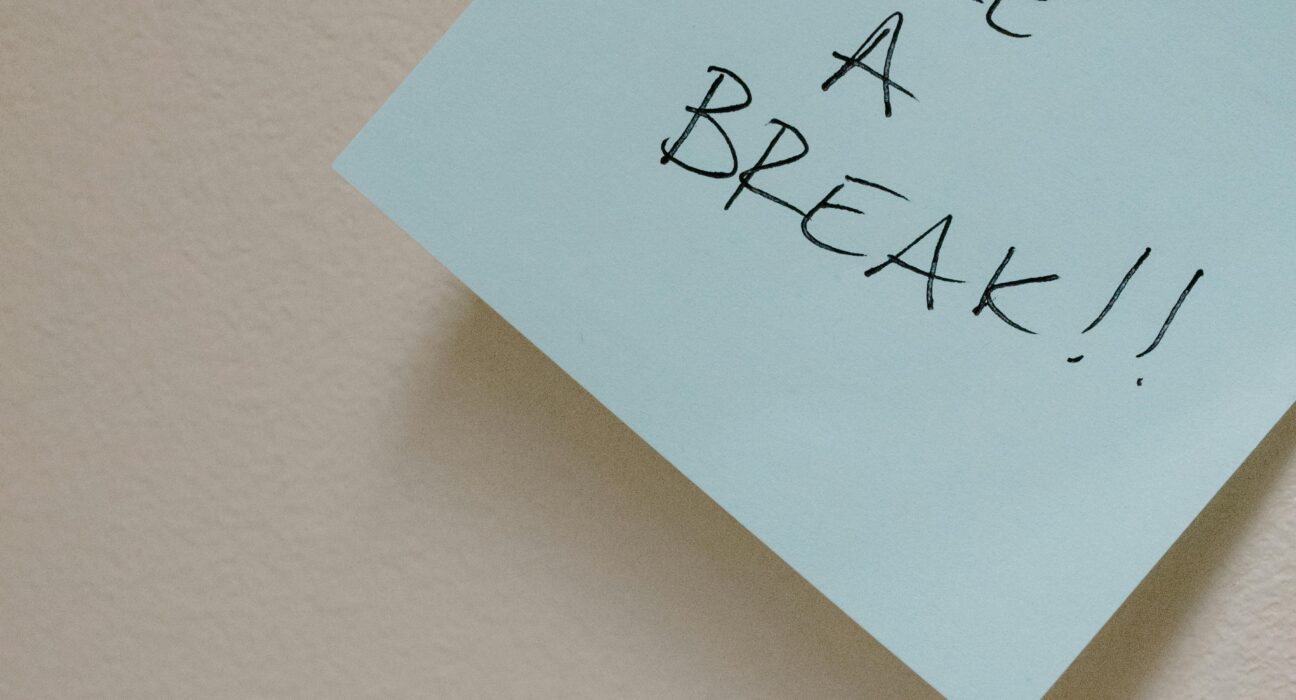
A short pause can reset your attention far more effectively than a long push can. Five minutes might feel too small to matter, yet those moments often decide whether you work with clarity or grind through fog.
The science behind microbreaks and cognitive recovery
Your brain gets tired in the same way your body does. When you work continuously, the prefrontal cortex burns through glucose and oxygen at a steady rate. A few minutes of stepping back lowers cognitive load, so you return with more capacity to reason and filter information. You don’t need elaborate routines; you just need a short moment where your senses stop fighting for bandwidth, and your mind stops juggling competing demands.
How microbreaks influence productivity
When you take five-minute breaks at regular intervals, you reduce the mental friction that builds up through long stretches of sustained concentration. Instead of drifting into distraction, you prevent the drift entirely by giving your mind a predictable release valve.
This approach helps you complete complex tasks without losing your train of thought, and it improves your accuracy because you refresh your attention before it collapses. The small frequency of these breaks matters more than their length, because consistency strengthens your focus in the same way repetition strengthens a muscle.
Small shifts that make breaks effective
You don’t need to overhaul your routine to gain the benefits. Stand up and stretch your spine, look through a window to rest your visual system, or drink a glass of water to restore alertness. If you want a mental reset without overstimulation, let your mind wander for a minute before returning.
A short period of working spent on a sudoku or a jigsaw, or even playing a quick round of online bingo, can create enough novelty to interrupt fatigue if you avoid turning it into another attention drain.
Why microbreaks matter more in 2026
Your digital environment now demands more context switching than ever, and AI-driven workflows accelerate the pace of decision-making. Because you process higher information density each day, your attention loses focus. Five-minute breaks help you protect your clarity so you can guide technology rather than chase it. You live in an era that rewards sharp thinking, not constant strain, and microbreaks give you the mental edge to navigate it with purpose.
For more, visit Pure Magazine