


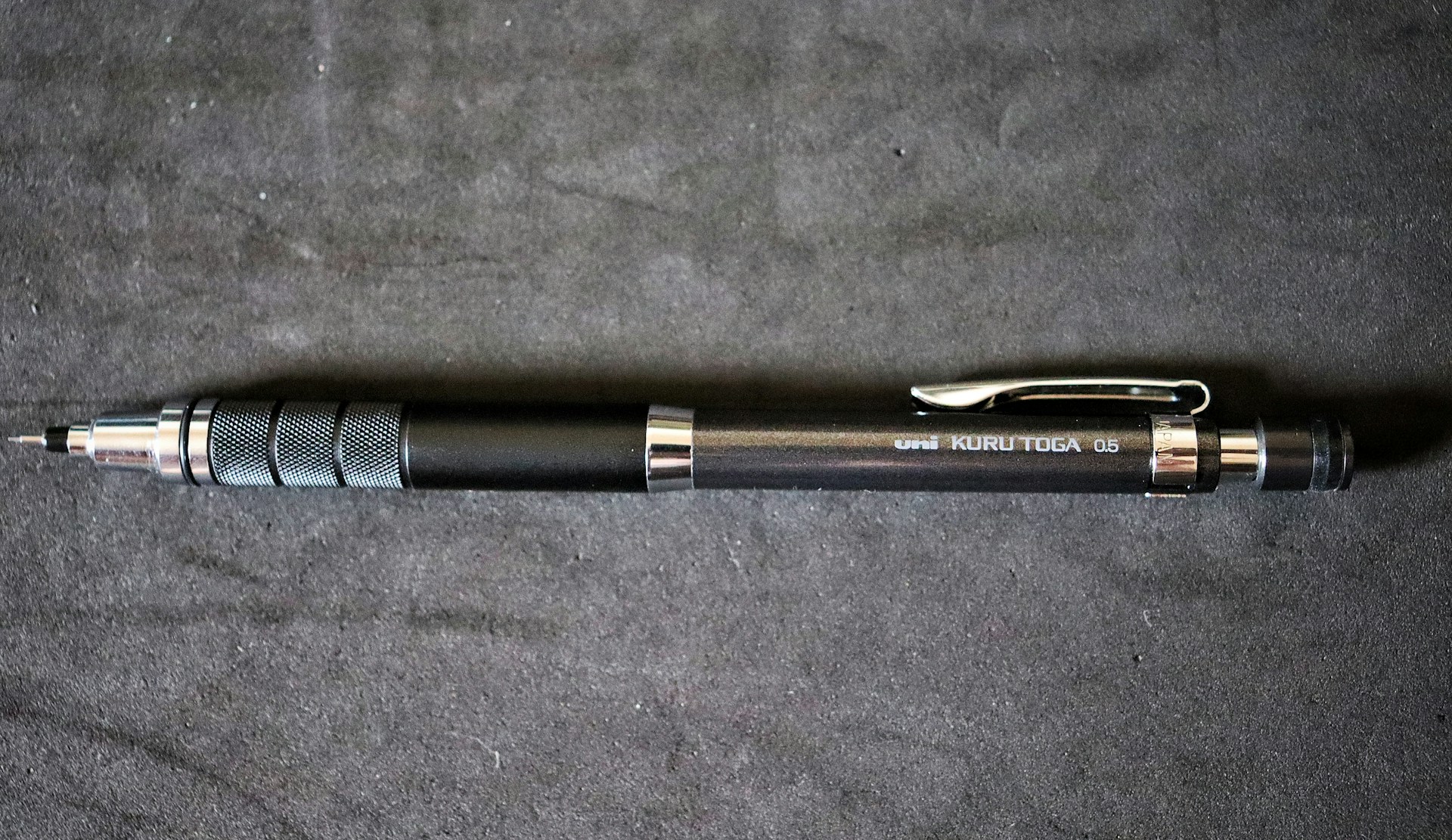
When you drag a typical ballpoint pen across a page, you rely on a tiny metal sphere to redistribute a thick, oil-based paste as it rolls. This mechanical process is prone to “skipping” and pressure sensitivity. The felt tip pen is differentgravy.
In contrast, felt tip pens (or porous-point pens) apply the principle of capillary action. They don’t roll; they simply flow.
The rise in its popularity is no fluke. The reason why these instruments have remained a staple for architects, illustrators, and high-level organizers for multiple decades is this fundamental difference in engineering.
We must look beyond the plastic casing and into the fiber’s physics and the chemistry of the ink to fully understand why these pens are the ultimate choice for smooth, clean, bold lines.
If you are still on the fence about adding a porous point pen to your collection, this article can help you gain some clarity. You are about to discover what makes felt tip pens superior to other pen models and why they are the ideal choice for clean, bold lines.
1. Architecture of the Porous Nib
The nib of felt tip pens is the defining characteristic. The felt tip is made of compressed synthetic fibers that bond together into a porous structure. This is a direct contrast to the rigid steel of a fountain pen or a ceramic tip’s rolling ball.
This architecture is nothing short of a high-speed transit system for ink flow. The ink flows toward the paper once they come into contact due to the nib’s abundant microscopic channels. As a result, no “start-up” time or scratching is necessary to get the ink flowing. It results in a consistent line from the first to the last millimeter.
This is particularly helpful for anyone drawing a long, continuous stroke or people signing important documents. The nib’s reliability prevents uneven edges that you would often experience with other ballpens.
2. Superior Control via Friction
Tactile feedback is, without doubt, one of the most underrated benefits of the felt nib. For instance, metal-tipped pens can often be a bit too “slick”, especially on high-quality paper. As a result, they slide too quickly, leading to sloppy handwriting or wobbly lines.
In contrast, the felt tip pen’s fibrous texture creates a subtle, intentional friction against the paper. This subtle “drag” enables the writer or user to maintain control over the pen’s movement.
The difference is like night and day or walking on ice versus strolling on a paved path. Its slight resistance allows you to stop at precise points or make sharp angles. This feature is why felt tip pens are also the go-to material for architectural lettering and geometric drawing.
3. Elimination of “Blobbing” and Railroading
Anyone who has ever used a gel pen or rollerball must have dealt with “blobbing” at least once. In a recent study to determine the quick-drying capacity of ballpoint and gel ink pens, 7 out of 40 ballpoint pen models experienced blobbing.
This occurs when excess ink accumulates on the side of the pen’s tip, eventually depositing a large, thick mess on your paper and fingers. It will also leave a mess wherever you keep your writing materials, whether it is in your office drawer or your desk.
Besides blobbing, “railroading” is another problem you cannot escape when you use conventional ballpoint pens. This is when the pen leaves a hollow center between two thin lines. Fortunately, felt tip pens are not prone to these mechanical faults.
A felt tip pen’s porous nib regulates ink flow through its entire volume. That way, ink cannot seep out from the sides. The fiber matrix holds the ink until the paper pulls it out. This guarantees that a 0.5mm line will maintain the exact dimension without unpredictable thickness or flow fluctuations that other writing instruments cannot overcome.
4. Versatility Across Substrates
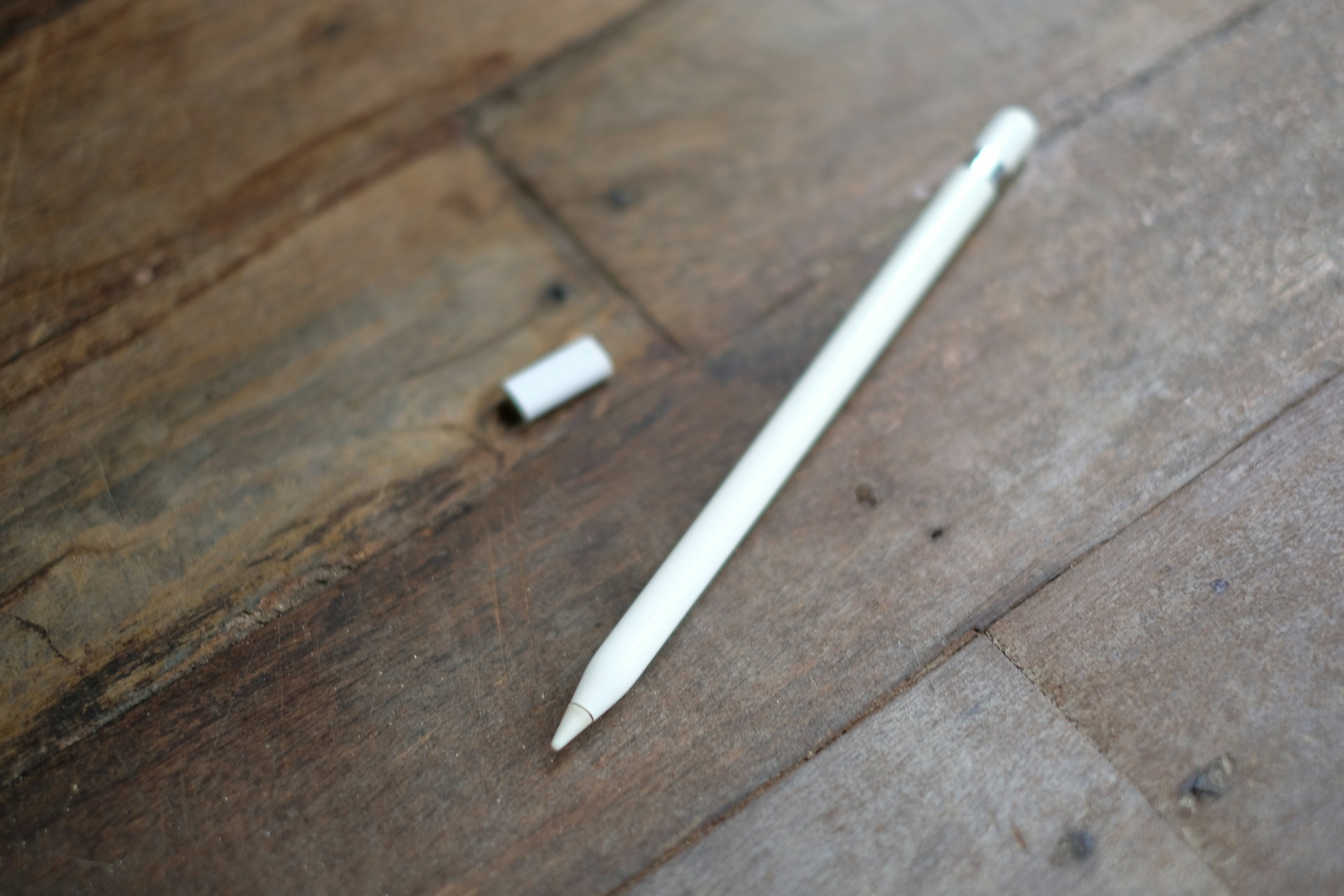
Felt tip pens edge out other models in versatility. For example, you may need a specific, “fountain pen-friendly” paper to avoid feathering when using a fountain pen. Meanwhile, felt tip pens are indifferent to the surface you use them on. The same felt tip pen will produce a crisp line on a heavy cardstock and on a paper napkin or a wooden crate with similar clarity.
They are one of the top choices for labeling and marking due to their versatility. Their versatility will come in handy in a studio or workshop. They present a significant workflow advantage with the ability to transition from a sketchpad to a plastic storage bin without changing tools. The fairly flexible nib can also handle slightly textured surfaces that would cause a ballpoint or fountain pen to capitulate.
5. Aesthetic Authority
A line’s “boldness” bears a psychological component. For instance, a ballpoint pen’s thin, greyish line suggests a lack of confidence. Meanwhile, a felt tip’s black, saturated line conveys authority. It remarkably mimics a professional printing aesthetic brilliance.
This visual weight helps in building hierarchy, especially for planners and designers. It ensures that your most essential outlines effortlessly stand out on the page.
Final Thoughts on Selection
Finding the right instrument is more about matching the tool to the required output and less about personal flair. A felt tip pen blows the average ballpoint or fountain pen out of the water in versatility, aesthetic authority, and control. No longer will you go through the pain of blobbing and railroading that are inevitable in ballpoints.
If you aim for a high-contrast and mechanically consistent line, the felt tip’s fiber-core technology remainsunmatched. It offers a level of “liquid” precision that metal-on-paper cannot reproduce. Felt tips are like a wand in the hands of the “chosen” wizard: they turn every stroke into a deliberate, professional stamp.
For more, visit Pure Magazine
