


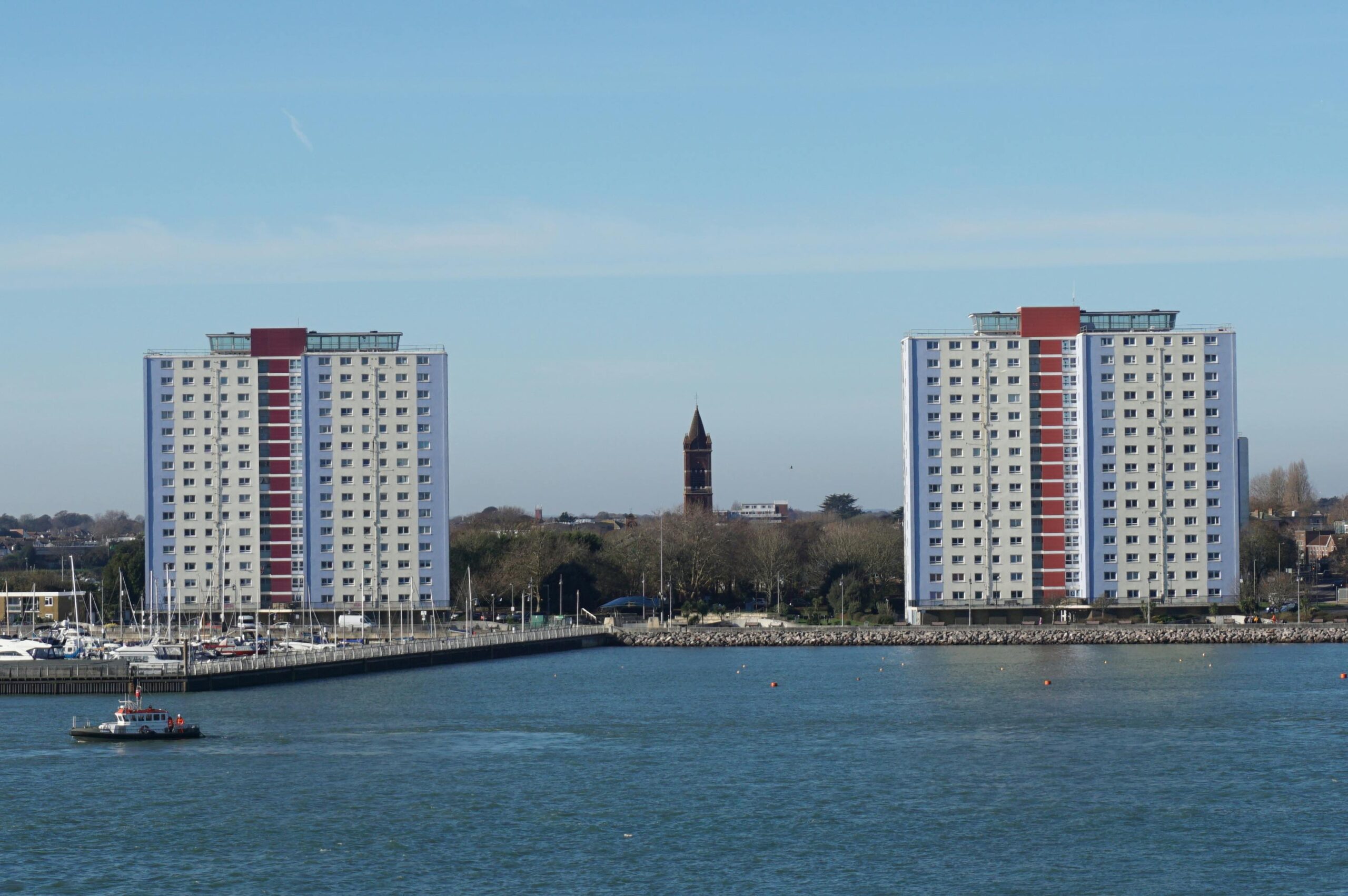
Portsmouth rents have crept up enough in recent years that a lot of people now look beyond the city before signing a tenancy agreement. Fareham keeps coming into that conversation, partly because the commute is manageable and partly because daily life tends to feel less pressured. If you’re already comparing Hampshire towns, you’ll probably come across letting agents in Fareham helping local landlords fairly early on, especially as demand for rentals in the area has stayed steady even while some nearby markets have cooled slightly.
What makes Fareham interesting is that it doesn’t try too hard to sell itself. That’s often a good sign. Some commuter towns around the South Coast lean heavily on lifestyle marketing, but Fareham generally appeals for practical reasons first. And honestly, practical reasons tend to matter most once the novelty of moving wears off.
The Commute Still Works for Most People
A lot of renters in Fareham still work in Portsmouth, either at the naval base, the university, the hospitals, or one of the many firms tied to defence and engineering. The train journey from Fareham to Portsmouth Harbour is short enough that daily commuting rarely feels excessive, and road access via the M27 keeps Southampton reasonably accessible too.
Because of that position between two larger cities, the town attracts people who want options without paying city centre prices. You’ll find younger professionals renting flats near Fareham station, while families often drift towards areas like Titchfield, Portchester, or parts of Whiteley where schools and quieter streets carry more weight. That spread of renters creates a market that feels balanced rather than dominated by one group.
And there is another factor people sometimes overlook. Portsmouth can feel dense, especially around the busiest rental districts, whereas Fareham gives tenants a bit more breathing room. That difference becomes pretty noticeable after a few months of everyday life.
Renters Often Get Better Value Than They Expect
Nobody would describe Fareham as cheap now, because southern England generally isn’t, but the value question still matters. Compared with parts of Portsmouth, renters in Fareham can often secure slightly larger homes, better parking arrangements, or quieter surroundings without a dramatic jump in monthly costs.
A one-bedroom flat near the town centre may still command strong rent because demand hasn’t disappeared, yet the overall market tends to feel less frantic than Southsea or central Portsmouth. That’s particularly relevant for tenants who need stability rather than nightlife on the doorstep. And to be fair, a lot of renters reach that stage sooner than they expected.
The local housing stock helps too. Fareham has a fair amount of post war development mixed with newer estates and older character properties, which means renters are not limited to one style of home. Some people want modern energy efficient flats, others prefer older terraces with a bit more personality. Generally speaking, the town can accommodate both.
Daily Life Feels More Relaxed Than Nearby Cities
There is a reason people who move to Fareham often stay longer than planned. The pace is different. The town centre, compact but functional, covers most everyday needs without the intensity you get in larger retail hubs. You’ll still find chain shops and busy traffic at peak hours, of course, but life rarely feels chaotic.
Because the area sits close to the coast without being directly shaped by tourism, local routines remain fairly consistent year round. That’s not nothing. In some South Coast towns, summer crowds noticeably alter the atmosphere, while Fareham mostly carries on at its own speed.
Schools are another part of the appeal, especially for renters with children who are not yet ready to buy. Areas around Cams Hill and Boundary Oak attract attention for obvious reasons, although stronger school catchments do influence nearby rents. So while Fareham may look affordable beside certain Portsmouth postcodes, some neighbourhoods still command a premium.
The green space matters as well. Holly Hill Woodland Park, the nearby coastline at Hill Head, and the wider access to countryside around Titchfield give residents somewhere to escape the usual work routine. You might not think about that during a property search, but people quickly realise how useful it becomes once they settle in.
Landlords Still See Long Term Potential Here
From a landlord perspective, Fareham has remained fairly dependable even while other markets have become harder to predict. Tenant demand is broad enough that properties rarely sit empty for long in the better connected areas, particularly if rents are realistic and the property is maintained properly.
That consistency partly comes from employment patterns across Hampshire. Portsmouth’s naval presence still supports a lot of jobs, Southampton continues to pull in workers from across the region, and Whiteley has grown into a significant business location in its own right. Fareham sits within reach of all three, which naturally widens the tenant pool.
But there are limits, and it’s worth saying that not every property performs equally well. Some landlords bought smaller flats during earlier investment waves and now face tougher competition from newer developments. Tenants have become more selective about energy costs, parking, and overall condition. A tired flat with dated interiors doesn’t attract interest as quickly as it once did.
Even so, the market hints at durability rather than rapid swings. That tends to appeal to landlords who prefer reliable occupancy over speculative growth. And in most cases, steady demand is far more useful than dramatic headlines about house prices.
Fareham Works Best for a Certain Kind of Renter
Not everybody will enjoy living here. If someone wants constant nightlife, dense city energy, or a highly urban atmosphere, Portsmouth probably remains the stronger choice. Fareham is quieter, more residential, and occasionally a little predictable. Yet for many renters, predictable is exactly what they’re after.
The town particularly suits people entering a more settled stage of life. Couples saving for a deposit, young families, and professionals who commute a few days each week often find the balance sensible. There is enough going on to avoid feeling isolated, but not so much that daily life becomes exhausting.
And perhaps that’s the real reason Fareham keeps attracting renters. It doesn’t rely on hype. The appeal comes from ordinary things working reasonably well together, transport, schools, green space, and access to employment. Those details sound unremarkable individually, but together they shape a place people can realistically picture themselves living in for several years.
Final Thoughts
Rental markets across the South Coast will probably remain expensive for the foreseeable future, especially anywhere within commuting distance of Portsmouth and Southampton. Still, Fareham seems better placed than some neighbouring towns because it appeals to renters looking for stability rather than short term excitement.
That may become even more relevant over the next few years. As hybrid working continues to shift how often people travel into city centres, places like Fareham could benefit from offering a little more space without cutting residents off completely. And for renters who want practicality with a slightly calmer pace of life, that balance is not easy to ignore.
For more, visit Pure Magazine
