


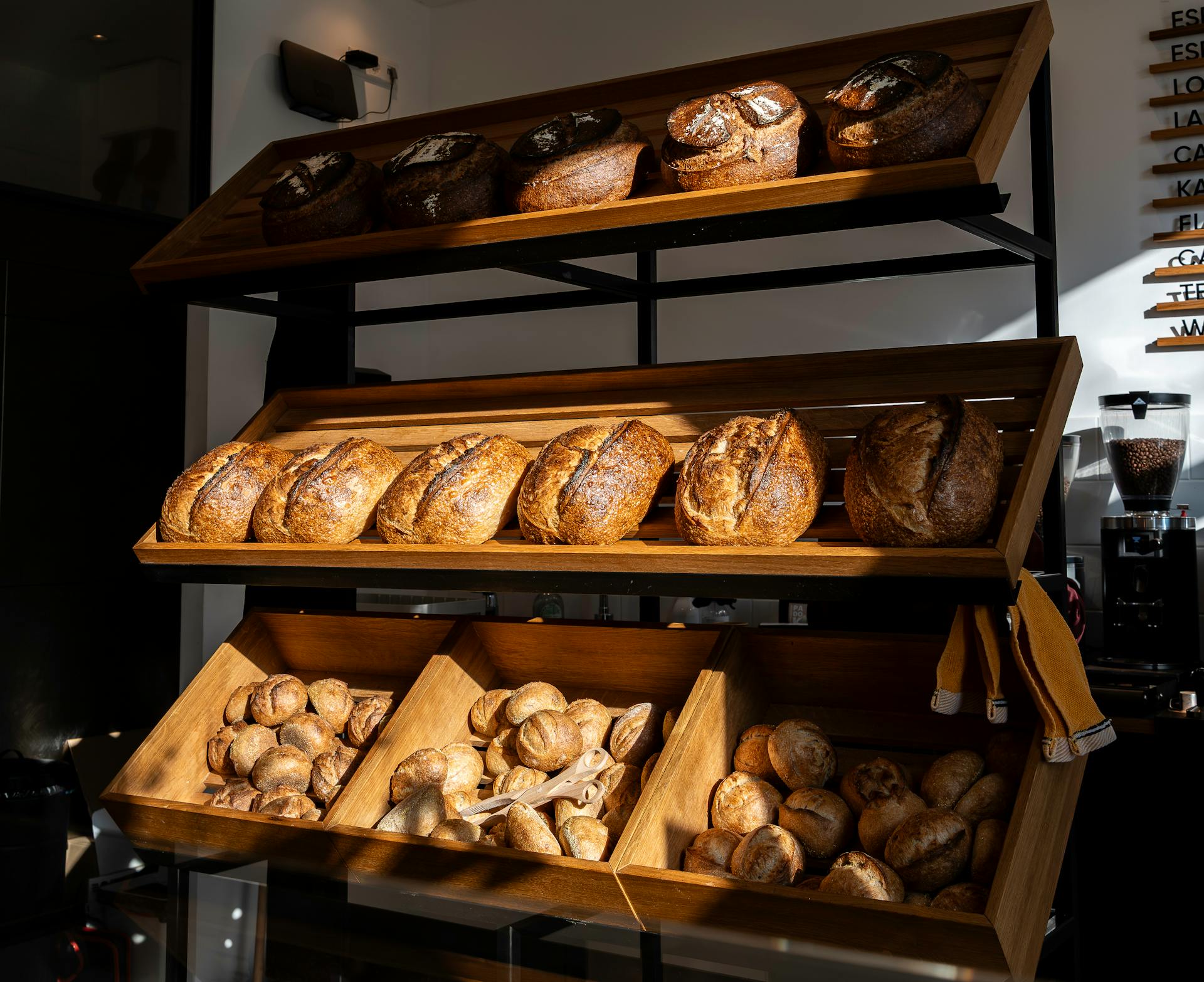
There is a peculiar moment in the average British household where someone notices, around 7am on a Sunday, that the bread loaf in the kitchen has gone hard at the ends, the supermarket doesn’t open for another two hours, and the only realistic breakfast options involve either driving somewhere or eating cereal again. It is a small frustration. It happens often enough that it has, slowly and without much fanfare, helped drive a quiet renaissance in the bread delivery category.
Bread delivery is not new. UK households had bread delivered alongside milk through most of the twentieth century. What’s new is the form. Subscription-based grocery delivery services, including bread delivery bundled into broader grocery offerings, have rebuilt the category around weekly recurring subscriptions, online ordering, and freshness windows that the old high-street delivery model couldn’t match.
The interesting thing about modern bread delivery isn’t the convenience. The convenience is obvious. The interesting thing is what households learn about their actual bread consumption once they start having it delivered on a schedule.
A typical household massively overestimates how much bread it eats. A typical household also massively underestimates how often the bread it buys goes stale before it gets used. The two errors compound. Households buy bread on the optimistic basis that they will use it, the bread sits in the cupboard for four days, and by Saturday someone is eating the heels reluctantly or feeding them to the birds. Repeat that pattern 52 times a year and the household has effectively bought 78 loaves to consume 52.
Subscription delivery exposes this pattern because the household has to actually decide how many loaves to receive each week, which forces them to confront how many loaves they actually eat. The first month of a bread subscription is usually a calibration exercise. The second month is usually settled. By the third month most households have arrived at a number that is significantly lower than what they were buying in the supermarket.
A few things worth understanding about modern bread delivery if you are considering it:
The bread is fresher when it arrives than supermarket bread usually is when bought. Supermarket bread is typically baked the night before, transported to the depot, distributed to stores in the morning, and on the shelf by mid-morning. By the time it gets to your kitchen it is already 12 to 18 hours old. Subscription bread delivery, particularly from services that work with artisan or local bakeries, often delivers same-day-baked loaves. The difference in texture and shelf life is noticeable for the first two days.
The freezer is the secret to making bread subscriptions actually work. Most households don’t freeze bread, but they should. Sliced bread freezes well, defrosts in the toaster in under three minutes, and remains usable for several weeks beyond its fridge or cupboard life. A subscription that delivers two loaves a week and a household that freezes one of them immediately ends up wasting almost no bread, even if consumption is uneven across the week.
Variety beats volume. Households new to bread subscriptions tend to order the same loaf every week. After a few months, most start mixing varieties: a standard sandwich loaf one week, a sourdough the next, a seeded loaf for toast, a focaccia for a specific dinner. The variety makes the subscription feel more interesting and reduces the boredom that drives bread waste in the first place.
The pricing comparison is harder than it looks. Supermarket bread is cheap because the supermarket bread category is heavily commoditized. Artisan bread from a bakery costs three to four times as much per loaf. Subscription bread delivery sits between the two on price, sometimes closer to the bakery side. The right comparison isn’t usually subscription price versus supermarket price. It’s subscription price versus what you would spend if you bought equivalent-quality bread at a bakery, plus the time cost of getting there, plus the waste reduction from buying the right number of loaves each week.
A few practical points if you are evaluating bread delivery options:
Delivery day matters. Bread is at its best for 48 to 72 hours after baking. A delivery day that lands at the start of your week works better than a delivery day at the end of it, because it sets up the bread to be eaten fresh and frozen rather than used in a rush.
The slicing question is small but real. Pre-sliced bread is more convenient but stales slightly faster. Whole loaves stay fresh longer but require slicing at home. Most subscription services offer the choice. Pick based on how you actually use bread.
Local versus broader sourcing. Some delivery services source from local bakeries within a region. Some source nationally. The local sourcing usually means better bread and fewer varieties. The national sourcing usually means more variety and a slightly more industrial product. Neither is wrong, but it’s worth knowing which model you’re buying into.
Pause and skip is non-negotiable. The household goes on holiday. The household has a week of takeaway. The household runs out of freezer space. A subscription service that doesn’t let you pause cleanly is going to frustrate you within three months.
The bread category is one of the smaller ones inside the bigger grocery delivery story, but it’s one of the categories that exposes the actual value of recurring grocery delivery most clearly. It forces a household to confront its real consumption. It surfaces the planning discipline that subscription delivery has always promised. And it produces, for most households that stick with it past the calibration phase, a small but real improvement in both quality and waste outcomes. Bread is the unglamorous test case, and most households that pass it end up extending the subscription to other categories.
For more, visit Pure Magazine
