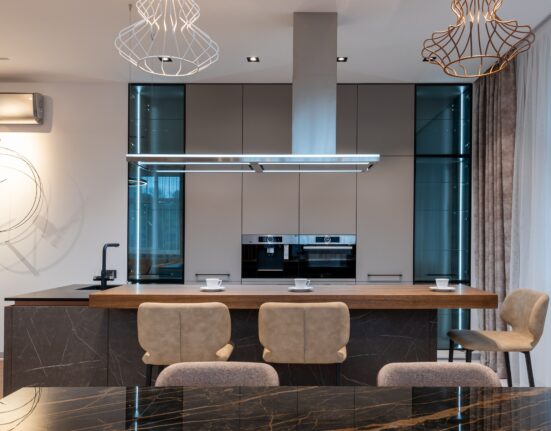
The kitchen has quietly shifted from being the most functional room in the house to arguably the most scrutinised. Buyers walk into a property and head straight for it, guests end up lingering there at dinner parties whether you want them to or not, and anyone who’s ever spent serious money on a renovation knows the kitchen is where most of it goes. However, there’s a difference between spending a lot and spending it well, and that gap is wider than most people realise when they first start planning.
Bespoke kitchen design, done properly, is about getting a space that actually fits how you live, not how a showroom imagines you live. Off-the-shelf units have their place, of course, but they’re built around averages. Your ceiling height, your natural light, the way your family actually moves through the room in the morning rush, none of that gets factored in when someone’s designing a flat-pack range for a catalogue.
The Problem With “Premium” That Isn’t Really Premium
There’s a version of kitchen design that costs a fortune and still feels generic. You’ve probably seen it in those glossy interiors magazines where every kitchen looks like it belongs in a Scandinavian architecture firm rather than an actual home. It’s technically impressive but a bit cold and a bit soulless. That’s often what happens when a client throws money at materials without someone experienced guiding the whole vision from the start.
The designers who genuinely understand luxury residential spaces are the ones who push back a bit. They’ll tell you the island you’ve set your heart on won’t actually work with your layout, and suggest a stone finish you hadn’t considered. They’ll ask questions about how you cook, whether you entertain, what bothers you about your current kitchen, rather than just presenting a mood board and waiting for approval.
That consultative approach is what separates a genuinely considered design from an expensive one that still misses the mark.
Designers like Merilyn Phillips work in that more considered space, bringing a focus on luxury bespoke interiors that treats the kitchen as the centrepiece of a home rather than a box-ticking exercise. That kind of specialism matters more than people often give it credit for when they’re budgeting a project.
What Actually Makes a Kitchen Feel Luxurious
Honestly, a lot of it comes down to proportion and restraint. The kitchens that feel genuinely high-end aren’t always the ones loaded with gadgets and statement pieces. They’re the ones where nothing feels like an afterthought. The handles align. The worktop depth is generous without being excessive. The lighting has been thought about at the design stage rather than retrofitted. Small things, but they stack up.
Storage planning is another area where bespoke really earns its price. Generic units give you what they give you, but bespoke cabinetry gets designed around your actual possessions, the deep pots, the stand mixer that never moves, the wine you keep meaning to put somewhere sensible. It sounds almost mundane but the difference in day-to-day function is significant, and a kitchen that works well just feels better to be in, full stop.
Materials matter too, obviously. There’s a reason hand-painted cabinetry, solid stone, and quality hardware hold their appeal year after year while trends come and go. They age well and they photograph well, which shouldn’t be the point but let’s be honest, it’s increasingly part of how people think about their homes.
Getting the Brief Right Before Anything Else
The best bespoke kitchen projects almost always start with a longer conversation than clients expect. Not a quick site visit and a quote, but a proper back-and-forth about lifestyle, aesthetic preferences, budget reality, and the bits of your current kitchen that quietly drive you mad every single day. That information shapes everything that comes after it.
If you’re at the stage of planning a renovation or a new build and you’re serious about the kitchen, find a designer who asks those questions rather than one who leads with a catalogue. The brief is where the good work starts, and getting it wrong costs you far more than the designer’s fee to get it right.
For more, visit Pure Magazine