


Urinary tract infections are one of the most common reasons women seek medical care globally. The U.S. Centers for Disease Control and Prevention estimates that around half of all women experience at least one UTI in their lifetime, and a meaningful share experience recurrent infections (defined as two or more episodes within six months, or three or more within twelve months).
For women in the recurrent category, the standard pathway becomes exhausting. Symptoms appear. A GP appointment gets scheduled. A urine sample produces results. An antibiotic prescription follows. Symptoms resolve. Weeks or months later, the cycle repeats. The frustration is structural rather than personal, but the cumulative effect on daily life can be substantial.
The diagnostic side of this pathway has changed in ways most women have not encountered yet. At-home UTI testing using molecular methods can now produce results comparable to clinic-based tests, and the urinary microbiome research that informs these tests has expanded sharply over the last decade.
What at-home UTI testing actually involves
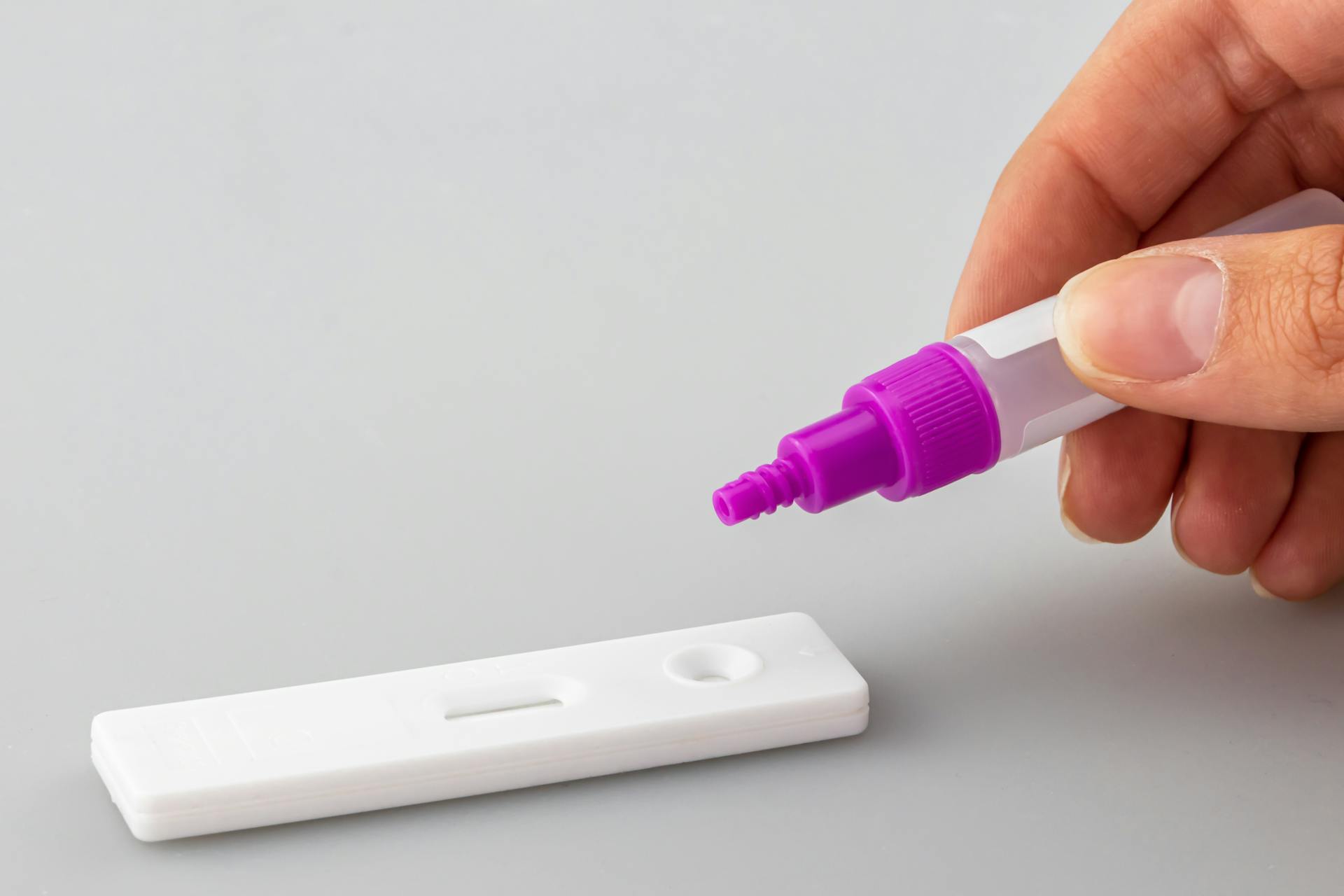
Evvy’s at-home UTI test uses self-collection methodology and laboratory-based molecular analysis to characterise the microbial profile of the urine sample. The test identifies the specific bacterial species present rather than producing only a broad positive/negative result, which matters because different causative organisms respond to different antibiotics.
The urinary microbiome research, summarised across reviews indexed on the U.S. National Library of Medicine’s PubMed platform, has reshaped clinical thinking about recurrent UTI in particular. The urinary tract was historically assumed to be a sterile environment in healthy individuals; we now know it hosts its own microbial community, and the composition of that community has implications for infection susceptibility, recurrence patterns, and bladder health.
Where this fits in the care pathway
The honest framing is supplement rather than replacement.
For acute symptoms, particularly with high fever, severe pain, blood in the urine, or symptoms suggesting kidney involvement, in-person clinical care should not be delayed.
For recurrent infections where the standard pathway is producing repeated cycles without identifying the underlying cause, molecular testing provides a more detailed picture than standard urine culture.
For pregnancy, immunocompromise, or any complex medical context, clinical care should remain primary.
FAQ
How accurate are at-home UTI tests? For molecular-based testing using validated self-collection, published evidence supports accuracy comparable to clinic-collected samples.
How quickly do results come back? Typically within several days of laboratory receipt.
Should I use home testing for a first-time UTI? For first-time symptoms with classic UTI presentation, GP and standard testing typically suffice. Home testing has clearer value for recurrent cases.
What is the urinary microbiome? The community of microbes present in the urinary tract. Recent research has reshaped clinical thinking about UTI susceptibility and recurrence.
For more, visit Pure Magazine
