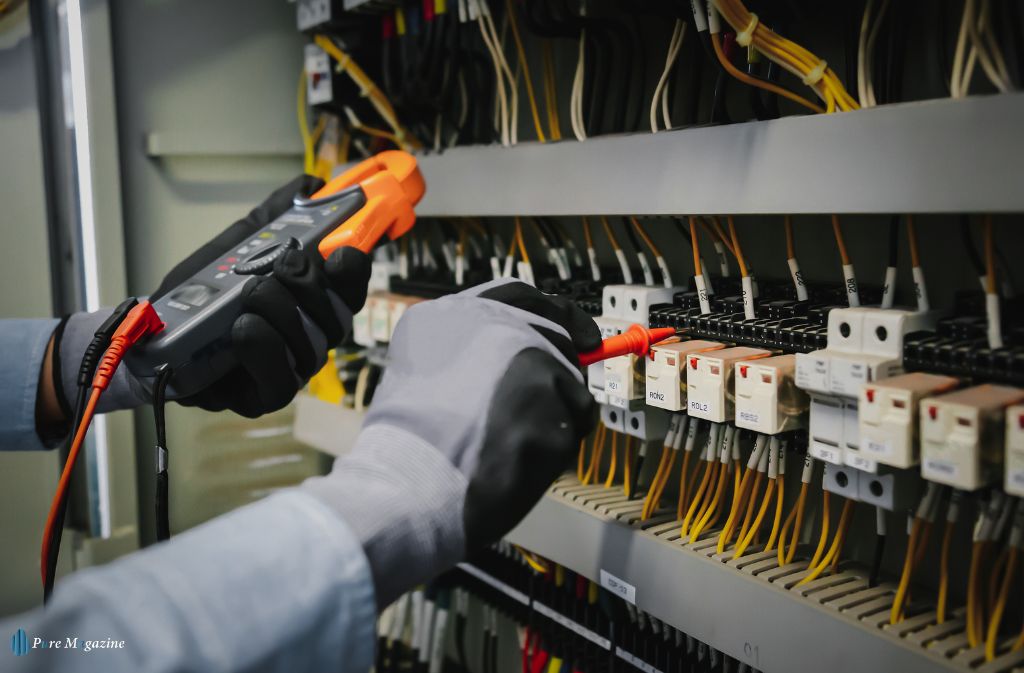
Electrical systems in modern facilities operate with high energy levels and interconnected networks that demand precision, safety, and uninterrupted performance. As loads increase and equipment becomes more sensitive, the impact of electrical faults also grows, leading to potential equipment failure, fire risks, or operational downtime.
Across power distribution and industrial operations, engineers often highlight what is the importance of protection relays. The answer lies in the way protection relays monitor electrical parameters, analyze conditions in real time, and initiate corrective actions within fractions of a second.
These devices form the backbone of electrical protection architectures across substations, industrial facilities, commercial buildings, and critical infrastructure. Let’s look at how these systems work and why they remain essential for maintaining electrical safety and continuity.
Understanding the Role of Protection Relays
Protection relays act as the decision-making layer in an electrical protection scheme. They constantly evaluate voltage, current, frequency, and other parameters to determine whether the system is operating within safe limits. When deviations indicate a short circuit, overload, earth fault, or equipment malfunction, the relay sends a trip signal to the circuit breaker to immediately isolate the affected section.
Modern electrical networks depend on protection relays because traditional mechanical methods cannot match the speed, accuracy, and intelligence required to safeguard systems. Fast response prevents fault energy from escalating, limits equipment stress, and protects personnel from hazardous conditions.
Instant Fault Detection and System Stability
One of the most critical functions of protection relays is reducing the time between fault occurrence and system response. This rapid action accomplishes the following:
- Minimizing Damage
Electrical faults generate heat, pressure, and high current levels. Immediate relay-based isolation reduces these destructive forces, extending the life of cables, transformers, motors, and switchgear.
- Preventing Cascading Failures
Faults that remain undetected can spread across interconnected systems. Protection relays block this chain reaction by isolating only the affected zone.
- Enhancing Personnel Safety
Instant fault clearing limits the risk of arc-flash events, electrical fires, and accidental contact with energized equipment.
- Maintaining Operational Continuity
Production, automation, and building systems rely on stable power. Relays prevent large-scale shutdowns by stopping faults before they reach critical operational areas.
Different Types of Protection Relays in Modern Networks
Modern electrical systems rely on several relay types, each designed to detect specific abnormalities and ensure rapid fault isolation. These are:
- Overcurrent and Earth Fault Relays
These identify abnormal current flow caused by short circuits, equipment failures, or conductor damage. By isolating the affected section quickly, these relays help minimize thermal stress on conductors and prevent extensive damage to downstream equipment.
- Differential Relays
Used for transformers, generators, and motors, they detect mismatches between input and output currents, often the earliest sign of internal faults. This high-sensitivity detection method ensures equipment is disconnected before internal damage escalates.
Differential relays are essential in safeguarding high-value assets where even minor disturbances can lead to costly repairs or prolonged downtime.
- Distance Relays
Common in transmission networks, they measure impedance to determine the location of a fault along a line. This allows for precise fault identification even across long, complex circuits.
By estimating the distance to the fault, these relays help utilities respond faster and restore service with minimal interruption.
- Voltage and Frequency Relays
They safeguard sensitive systems by monitoring deviations in supply conditions. Sudden voltage dips, overvoltage spikes, or frequency shifts can disrupt automated processes or damage electronic equipment. These relays also help maintain power quality by responding to issues such as harmonic distortion.
These relays ensure systems remain within operational limits by triggering protective actions whenever abnormal variations occur.
Across all categories, the shared purpose of protection relays remains the same: to detect faults instantly and prevent the system from entering an unsafe state.
Why Fast, Accurate Detection Matters More Today
Modern industries operate with dense electrical loads, automation equipment, and digital devices that are highly sensitive to fluctuations. Even small voltage dips or transient faults can disrupt operations, cause data loss, interrupt manufacturing cycles, or damage mission-critical assets.
As grids integrate renewable energy, electric vehicles, and distributed generation, power systems face new variables and unpredictable conditions. In these environments, protection relays provide a stable layer of security, ensuring that increased complexity does not compromise reliability.
Partnering with a reputable electrical brand ensures that protection relays work seamlessly within broader electrical systems, providing the consistency and dependability needed for mission-critical applications.
For more, visit Pure Magazine