Over the past two decades, the industrial world has undergone a massive digital transformation. From pharmaceutical cleanrooms to municipal water treatment plants, the push has been to connect everything. The Internet of Things (IoT) promises unprecedented efficiency, allowing plant managers to monitor temperatures, pressures, and chemical flow rates from a smartphone halfway across the world.
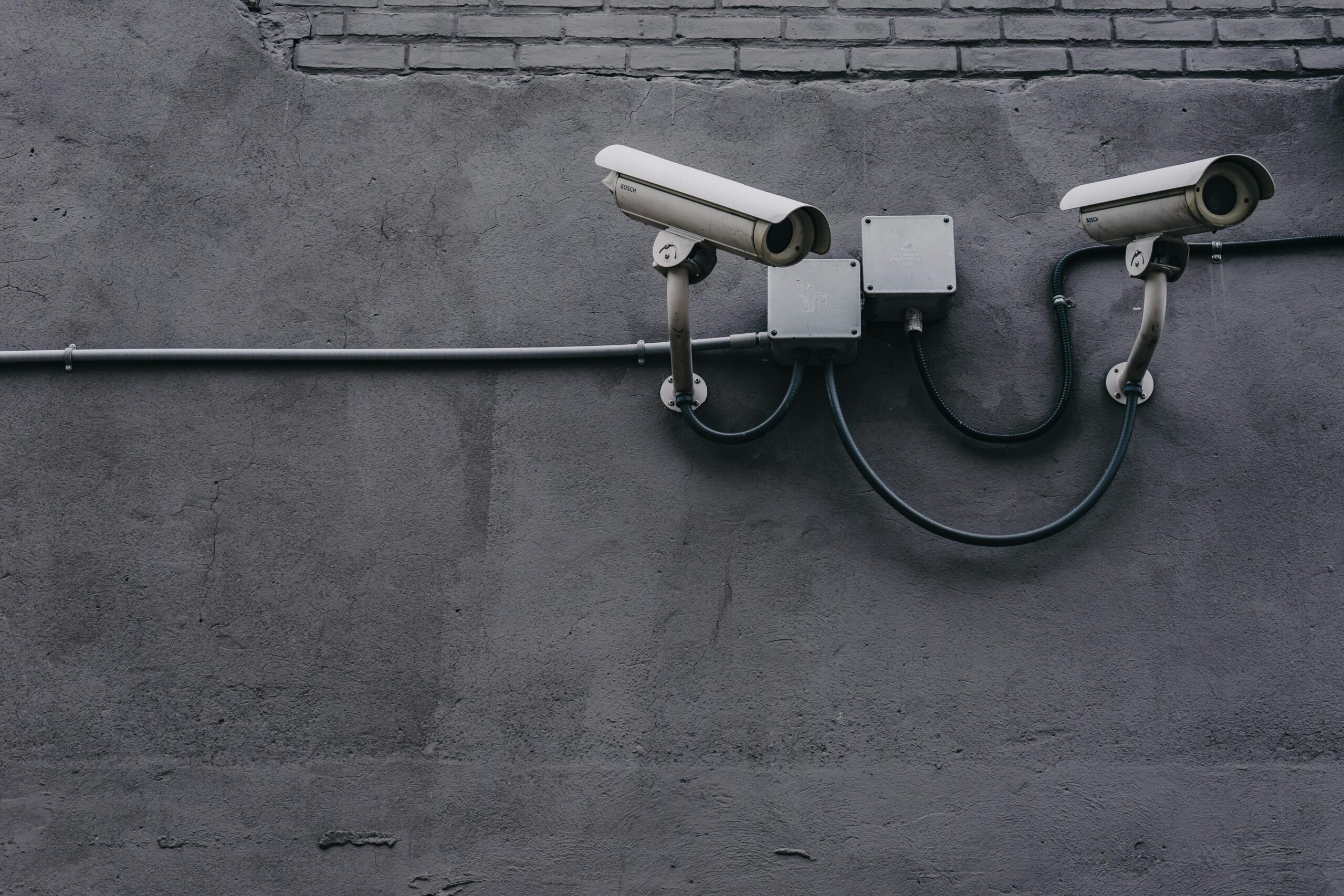
But this hyper-connectivity has introduced a terrifying new vulnerability. By connecting critical infrastructure to the digital world, we have inadvertently invited the digital world inside.
Today, industrial control systems are prime targets for ransomware gangs and state-sponsored cyber warfare. The threat landscape has shifted so dramatically that a highly counterintuitive trend is emerging within the security architectures of the world’s most critical facilities: a deliberate, calculated return to analog data logging.
The Vulnerability of the Digital Ledger
To understand why engineers are looking backward to move forward, you have to look at how a cyberattack actually compromises an industrial facility.
When a bad actor breaches a network, their goal is rarely just to shut the machines down. Often, the goal is stealth sabotage. They want to alter the chemical mix in a municipal water supply or slowly raise the temperature in a pharmaceutical reactor to ruin a batch of critical medicine.
To do this without triggering alarms, hackers employ “data poisoning.” They intercept the digital signals traveling between the sensors and the control room. If a reactor is dangerously overheating, the malware intercepts that data and feeds the control room a fake, perfectly normal temperature reading. The operators looking at the digital screens believe everything is fine while the machine destroys itself. Furthermore, the hackers can seamlessly alter the digital logs, erasing any forensic trace of the temperature spike.
The Immutable Physics of Ink
This is where the unique power of analog logging re-enters the equation. You cannot launch a denial-of-service attack on a piece of paper. You cannot hack a mechanical stylus from a server in another country.
Analog data loggers operate on the immutable laws of physics. They rely on direct, hardwired connections—often utilizing thermocouples or pressure transducers that translate physical phenomena directly into mechanical movement. As the temperature rises, the physical arm of the machine moves, scratching a continuous line of ink onto a moving roll or circular disc of paper.
This creates an “air-gapped” record. Because the machine is not connected to a network, it is entirely immune to remote manipulation. If a hacker manages to blind the digital sensors and poison the central control screens, the analog logger sitting on the factory floor will continue to faithfully record the exact, physical truth of the machine.
Forensic Superiority and Compliance
For highly regulated industries, this physical truth is more than just a failsafe; it is a legal shield.
When federal auditors investigate an anomaly at a nuclear power plant or a massive failure in an aerospace foundry, they approach digital logs with a healthy dose of skepticism. Digital data can be edited, timestamps can be spoofed, and hard drives can be wiped.
Altering an analog trace, however, requires physical forgery. If someone tries to manually redraw a line on a continuous feed of chart recorder paper, the microscopic indentations of the pen, the chemical composition of the ink, and the pacing of the paper roll will immediately betray the tampering under forensic analysis. A physical trace is a “write-once” medium, making it the gold standard for indisputable legal compliance.
Surviving the Grid Collapse
Beyond intentional cyberattacks, analog systems provide a critical layer of resilience against catastrophic infrastructure failure.
In the event of a massive electromagnetic pulse (EMP) or a total grid collapse, digital servers go dark. Uninterruptible power supplies (UPS) only last so long before modern data centers shut down to protect themselves, taking all historical and real-time data with them.
Many traditional analog loggers, however, are designed to survive the apocalypse. They can be driven by simple, spring-wound clockwork mechanisms that require zero external electricity. Long after the digital dashboards have gone black, the mechanical arm will keep moving, ensuring that the facility has an unbroken record of what happened during the crisis.
The Hybrid Future
The return to analog does not mean abandoning the benefits of the digital age. Plant managers still need cloud analytics to optimize efficiency and artificial intelligence to predict maintenance schedules.
However, the smartest facilities are adopting a hybrid approach. They use digital networks for the day-to-day operations and predictive modeling, but they rely on the physical, ink-stained paper as the ultimate anchor to reality. In a world where digital data can be manipulated, erased, or held for ransom in the blink of an eye, the most advanced security measure is sometimes the one you can hold in your hands.
For more, visit Pure Magazine