Choosing the right tile for your home improvement project is crucial, particularly when it comes to balancing aesthetics with durability. When faced with the decision between White Ceramic Tile and Porcelain Tile, homeowners often wonder which option offers better longevity. This article will delve into the durability, cost-effectiveness, maintenance, and suitability of these tiles for high-traffic areas, helping you make an informed decision for your interior design needs.
Durability Analysis of White Ceramic Tile and Porcelain Tile
When evaluating the durability of tiles, it’s essential to consider their composition. Porcelain tiles are fired at higher temperatures, making them denser and less porous compared to ceramic tiles. This process contributes to their enhanced durability, making porcelain a preferred choice in areas prone to moisture, such as bathrooms and kitchens. In contrast, the White Ceramic Tile, like the White Ceramic Tile, is suitable for less demanding environments, offering an aesthetic appeal that aligns seamlessly with various design elements on a mood board.
Additionally, porcelain tiles are known for their ability to withstand heavy foot traffic without showing signs of wear. They are ideal for commercial use or busy households where durability is paramount. The higher density of porcelain makes it resistant to chipping and scratching, ensuring longevity even in high-stress applications.
Assessing the Cost-Effectiveness of Ceramic vs Porcelain
When planning a home renovation, budget is often a significant consideration. While porcelain tiles tend to be more expensive due to their manufacturing process, their longevity can provide long-term savings. Over time, the reduced need for replacement or repair can make porcelain a cost-effective option despite the higher initial investment.
Ceramic tiles, on the other hand, present a more budget-friendly upfront cost, making them an attractive option for projects with tight financial constraints. They also offer flexibility in design, allowing for a wide range of colors and patterns that can enhance any space. However, it’s essential to factor in potential maintenance costs when evaluating overall expenses. Recent research from Architectural Digest highlights the importance of considering both immediate and long-term costs in tile selection.
Maintenance and Longevity of Ceramic and Porcelain Tiles
Maintenance plays a pivotal role in the longevity of any flooring material. Porcelain tiles require less maintenance due to their density and low porosity, which prevent moisture penetration and stains. Routine cleaning with a damp cloth is typically sufficient to maintain their appearance, making them a practical choice for busy homeowners.
Ceramic tiles may require more frequent cleaning and sealing to protect against moisture and staining, especially in high-moisture areas. This can increase the long-term maintenance effort and costs. However, advancements in tile manufacturing have led to improved ceramic options that offer enhanced resistance to wear and tear.
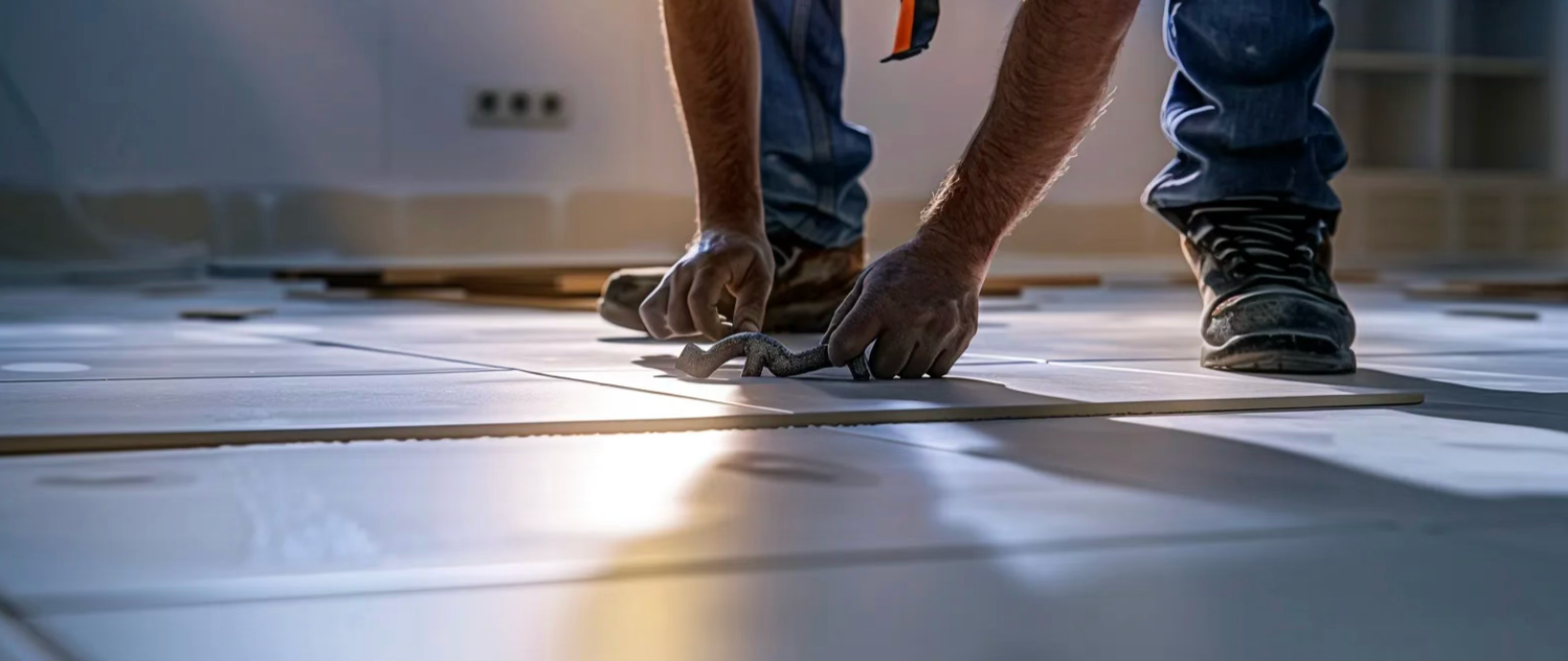
Furthermore, the durability of both types of tiles can be impacted by the quality of installation and the finish schedule used. Proper installation, using appropriate techniques and materials, is crucial to ensure the longevity of your flooring choice. The Houzz magazine provides insights on installation practices that can maximize tile durability.
Choosing the Right Tile for High-Traffic Areas
For high-traffic areas, durability and slip resistance are critical factors to consider. Porcelain tiles are well-suited for such environments due to their strength and resistance to wear. They can withstand the constant movement and weight, making them ideal for entryways and commercial spaces where egress window compliance is essential.
Ceramic tiles, while slightly less durable, can still be a viable option for moderate traffic areas. Their versatility in design allows them to complement various interior styles, and they can be enhanced with acoustical treatment to reduce noise in busy environments.
Incorporating tiles into a comprehensive schematic design ensures that both functionality and aesthetics are achieved. Whether you choose porcelain or ceramic, each type of tile can contribute to a harmonious and durable living space.
For more, visit Pure Magazine