


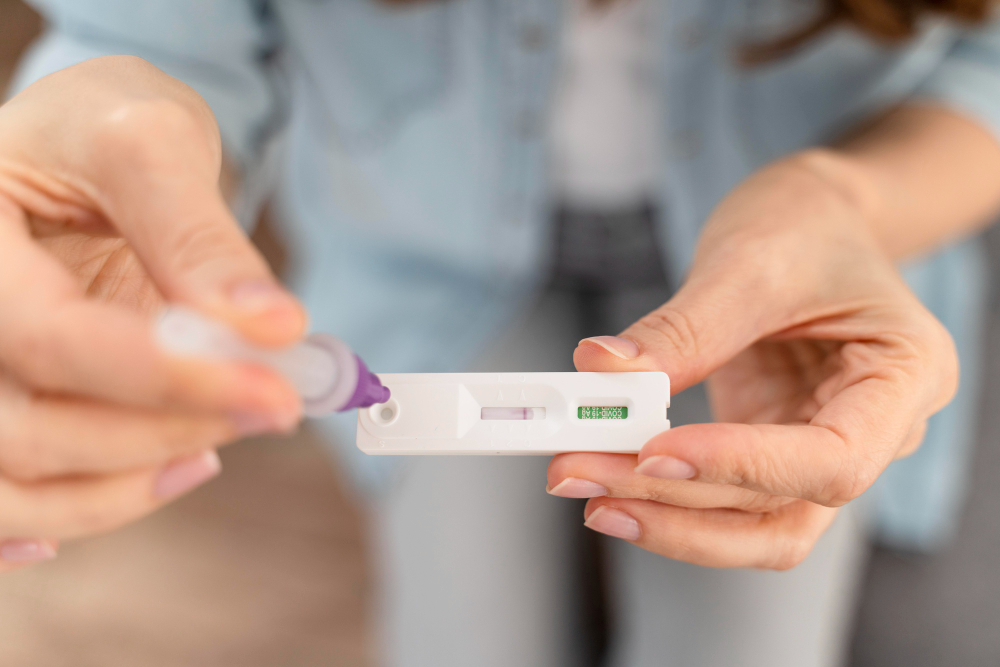
Fertility, while a time-sensitive aspect of our health, is also one that every woman has complete right over. It is, after all, something deeply personal to all of us, and making decisions about it is a rather subjective matter. Yet there’s a common misconception that fertility testing is only for women actively trying to conceive. To put it simply, that’s not the case at all.
Fertility testing can mean many things. A preventive measure. An informational experience. A planning-oriented action. It is not something that stems only from moments of panic or desperation. Instead, it is a way for most women to make key decisions about their lives. When it comes down to it, there are three factors that guide such a decision: your age, any physical signs that your body is presenting, and your plans for the future. Keeping that in mind, let’s examine all three of these factors in detail and help you make the best call for your situation.
Age and female fertility changes
Fertility is something that changes slowly through life, not overnight. Though age plays a big role in how our ovarian reserve goes down, it is not a sudden change by any means. It’s not like the moment you hit thirty-five, your chance of becoming pregnant will roll off a cliff. The change in fertility is incremental and spread across most of your late 20s to late 30s. Some women also look to women’s telehealth companies for accessible guidance on reproductive health, especially when balancing busy schedules or limited access to in-person care. These services can complement clinical fertility testing by helping individuals track symptoms, ask questions, and make informed decisions at their own pace.
The period from early to late twenties is when a woman’s fertility will be at its peak. Although a fertility test at this stage is unlikely to show any issues, it can still offer some useful information for your planning. If you’re planning to delay pregnancy for a significant period, knowing where you stand now can be valuable later.
In their early 30s, people may notice little change in fertility, but internally, their ovarian reserve will start to take a hit during this time. So instead of forecasting any potential conception challenges, tests at this stage help map your reproductive trends. It won’t predict exactly when you’ll struggle to conceive, but it can indicate whether your ovarian reserve is following a typical trajectory or not.
After you hit your mid-30s, the changes to your fertility do speed up a bit, with a steeper fall in both egg count and quality. As such, the likelihood of getting pregnant begins to decline a little by little with each passing month, too. Getting a fertility test becomes of critical importance, especially if you’re weighing options like IVF or egg preservation.
While your fertility does not hit a hard stop at 40, your chances of getting pregnant go down quite noticeably. If you’ve hit this stage, get a fertility test without delay to plan your next steps – with the help of ART (assisted reproductive technology) and having realistic expectations, you can still fulfil your dream of bringing new life into this world.
Regardless of which stage you’re in, know this: a fertility test can share your egg supply, hormone balance, and whether you’ll likely face pregnancy issues in the future. It will not reveal the precise moment you should try to conceive, if you need medical support to get pregnant, or just how long your fertility will last. So have very realistic expectations of what you desire from these tests when you first get them.
Symptoms that warrant a fertility test
As most would already know, it’s not just age that matters with fertility tests. Our body presents us with a lot of signs that serve as a clear indicator for getting tested.
An irregular menstrual cycle is, by itself, a clear warning sign of ovulation problems. When periods arrive much later than expected, or do not occur at all for several months, it suggests a possible issue with the reproductive organs or hormonal balance and indicates the need for medical evaluation as soon as possible. If the pain is so severe that it interferes with daily activities and reduces quality of life, it may be associated with a condition such as endometriosis. Menstrual bleeding that is heavier or lighter than normal can also sometimes point to underlying hormonal issues that warrant further investigation.
Speaking of hormonal issues, be on the lookout for stubborn acne, unwanted facial hair, and shifts in body weight, as these are signs of PCOS. If you find yourself tired despite sleeping well, combined with brittle hair or trouble handling heat and cold, the thyroid could be the culprit here – a gland that also plays a big role in our reproductive health. Maintaining vaginal health is an important aspect of fertility planning, as infections like bacterial vaginosis (BV) can affect reproductive wellbeing if left untreated. Women noticing symptoms may choose to buy antibiotics for BV online as part of consulting with a healthcare professional to ensure proper treatment and support overall reproductive health.
The fertility is also affected by past medical issues like prior pelvic infections, endometriosis, PCOS diagnosis, past ovarian procedure, or exposure to chemotherapy. If any of these apply to you, it’s best to get a test sooner rather than later.
Now, one thing to note is that you need to see these symptoms for what they really are: clues to a fixable problem. Generally speaking, these are not conclusions about your fertility, and each one only asks you to look closely at how your body is functioning. Once you do so, you can still plan your next steps and fulfil any specific fertility goals that you may have in mind.
Fertility testing for women not trying to conceive yet
Look, even if your goal isn’t to have a child, fertility testing can still be super helpful. In fact, some of the most valuable testing happens before pregnancy is even on the immediate horizon.
For instance, if you’re deep into your career at the moment – building a business, earning a degree, or focusing on long-term ambitions – a fertility test can very easily tell you whether the option to delay pregnancy is in your cards or not. It can also give you an idea of whether you might want to consider egg freezing for the future.
Similarly, if you’re single at the moment but know that you want children, a test can confirm whether you have time to wait for the right relationship or if you should freeze your eggs for the time being. You can also just choose to delay your pregnancy by choice. While that is perfectly acceptable, you should still get a fertility test just to get clarity on your chances and options.
Make an informed choice for your life
At the end of the day, a fertility test exists solely to help you understand your options. Nothing more and nothing less. There is no single age that equates to rushing in for a test, and there’s simply no shame in not choosing to get a test if it doesn’t align with your priorities at the moment. After all, your fertility is part of your story, but it doesn’t define it. Testing is simply one way to understand where you are and what might come next. If that feels valuable to you, now or later, then it’s worth considering.
For more, visit Pure Magazine