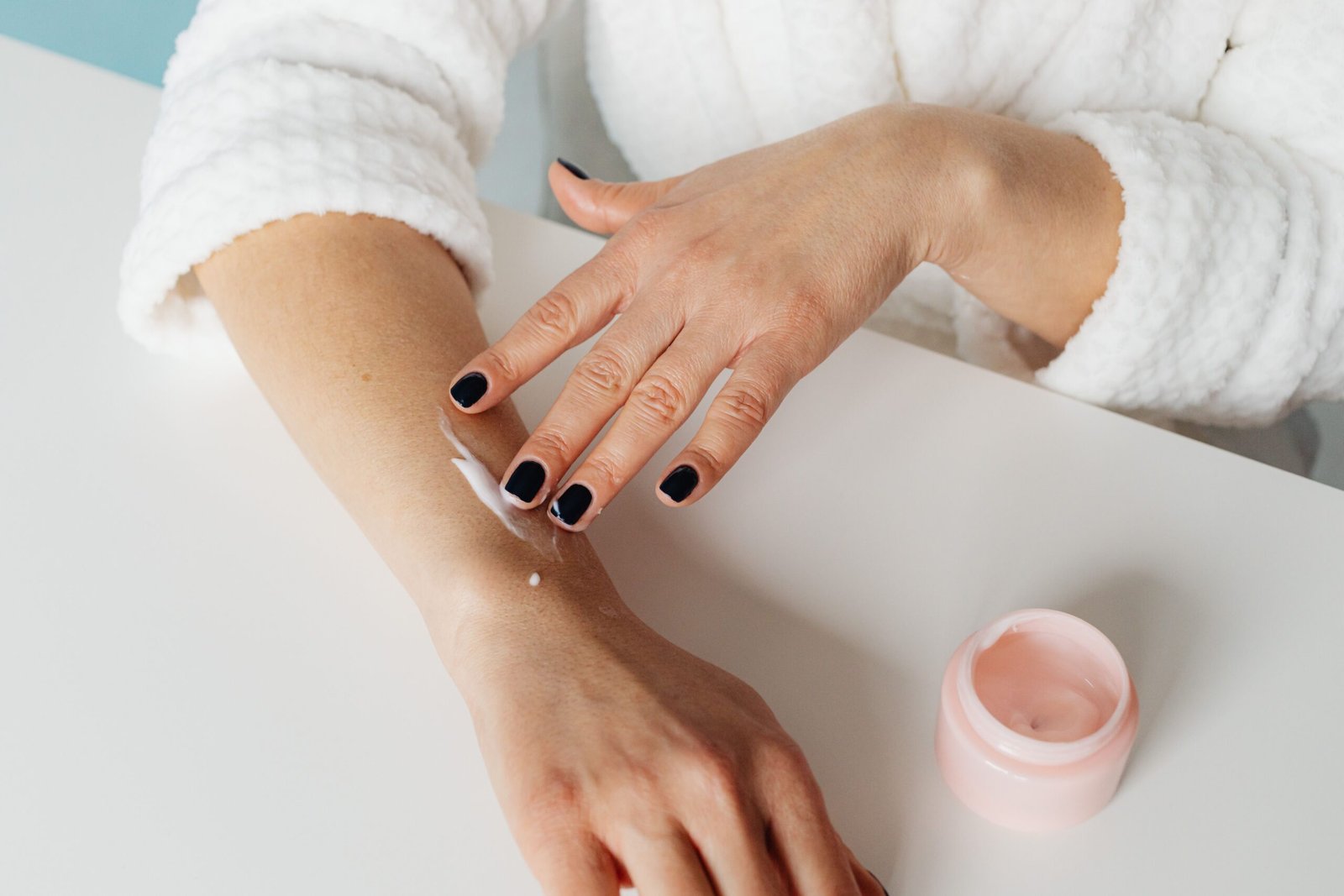
If your shins start to itch in October and your elbows feel rough by Christmas, you’re in good company. British weather is tough on skin, and many of us spend half the year reaching for body lotion and wondering why the comfort never lasts.
Finding the right one has very little to do with price or how thick it feels. It comes down to what’s in the bottle and how you use it. Once you know what to look for on the label, it gets a lot easier.
Why Skin Gets So Dry in the UK
A few everyday things work against your skin during the colder months.
- Central heating. Once the heating comes on, indoor air gets much drier, and your skin loses water faster than it can replace it. Legs, arms and hands usually feel it first.
- Cold, wind and rain. Moving from chilly, damp air outside to warm, dry air inside several times a day leaves skin feeling tight.
- Hard water. Around 60% of UK homes have hard water, especially in London and the South East. Researchers at the University of Sheffield and King’s College London found that hard water makes wash products harder to rinse off the skin, which can leave it drier. Rinsing thoroughly after your shower helps.
All of this stresses your skin barrier, the outer layer that keeps moisture in. A good body lotion supports it.
The Three Jobs of a Good Body Lotion
The best lotions for dry skin do three things at once. They draw water into the skin, soften and smooth it, and help hold that moisture in place. Each job comes from a different group of ingredients.
| Job | Ingredient group | What to look for on the label |
| Draws water in | Humectants | Glycerin (made from vegetable oils) |
| Softens and smooths | Emollients | Jojoba, babassu, sweet almond and argan oil |
| Locks moisture in | Butters | Shea butter and cocoa butter |
Humectants work a bit like a sponge, drawing water into the top layer of your skin. Glycerin is the classic and one of the most effective moisturising ingredients.
Emollients are what make skin feel soft the moment you smooth them on. Plant oils fill the tiny gaps between dry skin cells, so rough patches feel smoother straight away.
Butters like shea and cocoa leave a light, protective layer on the skin that slows down moisture loss. For really dry winter skin, this is the group that makes the biggest difference.
Plant Oils and Butters Worth Knowing
- Shea butter: rich and creamy, packed with fatty acids. Brilliant on elbows, knees and shins.
- Cocoa butter melts into the skin and leaves it feeling deeply nourished.
- Jojoba oil is very similar to your skin’s own natural oils, so it absorbs easily.
- Babassu oil: light and silky, giving softness without a greasy feel.
- Sweet almond oil: gentle and soothing, and a long-time favourite for sensitive skin.
- Argan oil: naturally rich in vitamin E, leaving skin soft and supple.
You’ll often find these alongside Ayurvedic botanicals such as turmeric, amla, and sandalwood, loved for helping skin look brighter and feel calm.
When and How to Apply It
When you put your lotion on matters almost as much as which one you choose.
- Apply it within a few minutes of your shower or bath, while your skin is still slightly damp, so it locks that water in.
- Shower in warm rather than hot water and pat yourself dry instead of rubbing.
- Work on one area at a time, using gentle circular movements until it’s absorbed.
- Give extra attention to elbows, knees, heels and shins.
- On very dry days, keep a bottle by the bed for a second layer before you sleep.
- If your skin is sensitive, patch-test a new lotion on a small area first.
Match Your Lotion to Your Skin
Dry skin isn’t the same for everyone, so choose a lotion for how your skin actually feels.
- Dry and sensitive: look for light, soothing hydration with glycerin and oils like jojoba and babassu.
- Very dry, rough or flaky: go richer, with shea butter and cocoa butter in the formula.
- Dull winter skin: brightening botanicals like turmeric and papaya help skin look fresher while it’s being moisturised.
Ayumi Naturals makes a good example of each. Its Hydrating Body Lotion blends glycerin, jojoba, and babassu oil with calming sandalwood for dry, sensitive skin. The Turmeric & Shea Butter Body Lotion combines shea and cocoa butter with sweet almond and argan oil, plus turmeric and papaya for a smoother, more even-looking glow. Both are vegan, dermatologically tested and made in the UK.
Quick Answers
Is a body lotion or a body cream better for dry skin?
Creams are usually thicker and contain more butters, so they suit very dry or rough skin. Lotions are lighter and spread more easily, which makes them ideal for everyday use. Plenty of people use a lotion in the morning and a richer layer at night.
How often should I moisturise dry skin?
At least once a day, ideally straight after your shower. In deep winter, a second application in the evening makes a real difference.
Do I need a different lotion in summer?
Many people find a lighter formula is enough once the heating goes off, and then switch back to something richer when autumn arrives.
The Bottom Line
Dry skin in a British winter isn’t something you just have to live with. Choose a body lotion that draws in moisture, softens your skin, and helps seal it in, then apply it to damp skin after every shower.
Give it a couple of weeks. Most people find that the itchy shins and tight, rough patches settle down, and their skin feels comfortable again long before spring arrives.
For more, visit Pure Magazine