


Few things disrupt your home life faster than sewer problems. A slow drain, frequent blockages, or foul smells will make even routine tasks stressful. Beyond the inconvenience, these problems can have severe consequences if left unattended. Thus, it is so important to know what happens during a professional sewer repair project.
Being armed with the steps, from inspection to cleanup, helps you be ready, make wise choices, and minimize the tension involved in fixing the most vital systems in your home.
Here’s a straightforward guide to the five main things you can expect when a professional sewer repair team comes to tackle the job.
1. Thorough Inspection Before Any Work Begins
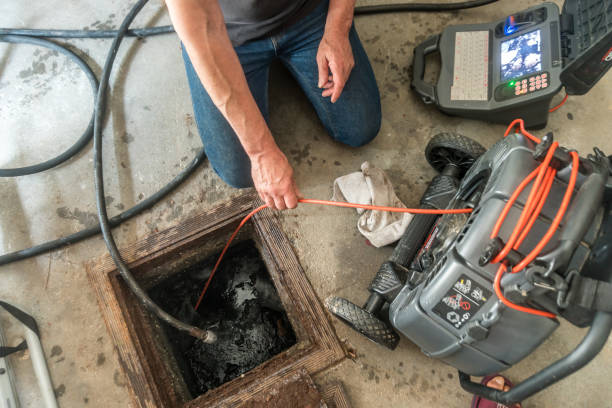
The initial procedure in any sewer repair is a thorough inspection, and it is much more than just looking under your sink. Sewer line repair professionals often use high-tech camera inspections that snake a small, waterproof camera through your pipes. This enables them to view cracks, blockages, root intrusions, or other damage that was not visible before.
Leaks or cross-connections that are not obvious on the surface are sometimes identified by dye or smoke tests.
The expectation at this stage is that the technician will ask questions about common problems encountered, and that the problem areas you have noticed, such as slow drains or unpleasant odors, should be recorded. They might require access to various parts of your property, e.g., cleanout, maintenance holes, or parts of your yard.
Although inspections may take a few hours, they’re essential, like a doctor carrying out diagnostic tests before deciding on treatment. An accurate check will help avoid unnecessary digging, save money, and ensure the problem is corrected once and for all.
2. Clear Explanation of Repair Options
After the inspection, your professional will take you through the repair options that will suit your situation. Sewer repairs aren’t one-size-fits-all, so it is necessary to determine the best solution based on the condition of the pipes, their location, and the budget. Experienced contractors may also reference broader pipeline solutions designed to address long-term infrastructure reliability rather than just short-term fixes. This is an essential step since it helps you understand what it entails, the cost, timelines, and potential upheavals to your home.
Here’s what you may come across:
- • Traditional Digging: This is when you dig up the damaged pipe and replace it with another one. Although it applies to older or severely damaged pipes, it may disrupt the yard and landscaping.
- • Trenchless Repairs: Methods such as pipe bursting or cured-in-place pipe (CIPP) lining reduce the need for digging. The repair crew will have specialized equipment used to expand the old pipe or add a new lining, which, in most cases, saves time and reduces mess.
- • Pipe Lining: This technique uses a flexible liner lined with resin to be inserted into the existing pipe. After being cured, it cuts another pipe inside the old one, effectively sealing the leaks. It is less invasive and causes only moderate economic damage.
- Expect your contractor to outline the advantages and disadvantages of each approach, potential inconveniences, and the approximate schedule. This pre-discussion will help you set realistic expectations so you are not surprised during the project.
3. Preparation Requirements for Your Home
Before the repair team starts, there are a few things you may need to do to make the process smoother. This involves clearing paths for equipment and workers, relocating vehicles off the driveways, and safeguarding any landscaping or personal property near the work area.
You might also need to temporarily stop using certain plumbing fixtures, such as sinks, toilets, or showers, attached to the damaged pipe to avoid water from interfering with the repair. Professionals will mainly provide specifics on what to follow, including pet and kid safety precautions.
These measures will not only secure your residence but also support the tea, making it efficient at work. It can shorten project time and reduce extra expenses caused by accidents. It also gives you the satisfaction of knowing that everything is prepared for a simple fix.
4. The Repair Process Itself
Here is where the project starts, and, based on the approach used, the time and extent of disruption may vary.
- • Traditional Excavation: Heavy machinery will excavate the trench to access the broken pipe. After removing the old pipe and installing the new one, the professional goes back to fill the trench. It can take up to a day, or even longer, particularly when dealing with extensive repair, and may temporarily interfere with your landscaping.
- • Trenchless Techniques: Minimal excavation is required, and special tools are used to lay a new pipe or lining. Work can become quicker and less disruptive, and can be done in a few hours.
- The repair will involve some noise and temporary water shutoffs, as well as workers entering and leaving your property.
Professionals are trained to address any changing problems they encounter, including discovering that it was more damaged or obstructed, and will adjust their plan accordingly. The mental preparation of this stage makes your work experience less stressful as you work on it.
5. Post-Repair Testing and Clean-Up
Once the repair is complete, the team conducts extensive testing to ensure everything works properly. This may involve running water through the system, checking for leaks, and, in some cases, performing a follow-up camera inspection.
The repairers clean up the work area. They backfill the trenches, reinstate the landscape, and remove construction debris. Many companies also offer tips on preventive maintenance, such as what not to flush down your sinks and drains, and what should be done regularly to extend the life of your mended sewer line.
Post-repair testing is necessary to verify that your plumbing system is safe, fully operational, and prepared for daily use. It is the last one to tell you that you were not wasting your time on professional repair.
Keeping Your Sewer in Good Shape Moving Forward
Sewer repairs may seem intimidating, but knowing what to expect at every step makes the process far less stressful. From detailed inspections and repair options to home preparation, the actual work, and post-repair testing, understanding each stage keeps you informed and confident.
Remember: catching sewer problems early and addressing them professionally protects your home and prevents costly damage. Follow your professional’s guidance, stay proactive with maintenance, and you’ll navigate any future sewer issues with ease.
For more, visit Pure Magazine