Introduction
A diamond ring becomes personal when it feels connected to the person wearing it rather than only to the occasion it marks. Many rings are beautiful, but beauty alone does not always create emotional value. A truly personal ring carries intention. It reflects the wearer’s taste, the couple’s story, and the small choices that turn a piece of jewelry into something remembered for a lifetime.
That personal feeling can come from many places. It may be found in a diamond shape that suits someone’s hand, a metal color they have always loved, a setting inspired by family jewelry, or a design detail only the couple understands. The strongest rings are not built around one feature. They are built around harmony, where the diamond, setting, proportions, craftsmanship, and emotional meaning all work together.
Personal Meaning Starts Before the Diamond Is Chosen
The mistake many buyers make is starting with size alone. Carat weight can be important, but it should not be the first or only measure of value. A diamond ring feels personal when the selection process begins with the wearer’s personality. Someone who prefers clean, quiet style may feel more connected to a simple solitaire than to a heavily detailed design. Someone with a bold fashion sense may prefer a distinctive shape, a wider band, or a setting with more visual presence.
Personal taste also appears in daily habits. A person who works with their hands, travels often, or prefers low-maintenance jewelry may need a design that is secure and comfortable. A person who enjoys statement jewelry may welcome a more dramatic setting. These practical details may not sound romantic at first, but they are part of the ring’s emotional success. A ring that fits the wearer’s real life becomes easier to love every day.
The Shape Sets the Emotional Tone
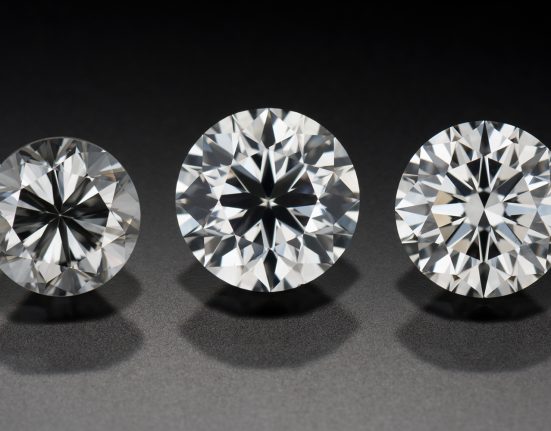
Diamond shape has a powerful effect on how a ring feels. A round diamond often suggests tradition and balance. An oval can feel graceful and elongated. An emerald cut has a calm, architectural mood. Cushion cuts feel soft and romantic, while radiant and princess cuts bring a sharper modern energy. Pear and marquise shapes can feel expressive, artistic, and slightly unexpected.
The right shape does not have to be the one everyone else is choosing. It should feel natural for the person who will wear it. That is why personal ring design often requires slowing down. Instead of asking which diamond is most impressive, the better question is which diamond feels most like the wearer. This is where emotional value and visual design quietly shake hands.
Why Value Is Becoming More Personal
Modern diamond buyers are also thinking differently about value. Some still prefer natural diamonds because of tradition, rarity, and legacy. Others are drawn to lab-grown diamonds because they can offer design flexibility, modern appeal, and a different relationship between budget and size. Conversations about how lab diamonds are changing perceptions of value show that buyers are no longer looking at diamonds through one narrow lens. They want beauty, meaning, responsibility, and choice to work together.
This shift matters because personalization is not only about appearance. It is also about what the purchase represents. For one buyer, value may mean a natural diamond with a classic history. For another, it may mean a larger lab-grown stone in a carefully designed setting. A personal ring respects those priorities instead of forcing every buyer into the same definition of luxury.
Where Can Personalized Diamond Ring Ideas Become Reality?
A memorable diamond ring rarely begins with the diamond alone. Most buyers start with a story, a relationship milestone, a preferred aesthetic, or a vision for how the ring should represent a commitment. Those ideas influence every decision that follows, from selecting a diamond shape to choosing a setting that complements personal style. The challenge is finding a jewelry partner that can transform those preferences into a cohesive design while maintaining quality, durability, and visual balance. For buyers seeking that combination of guidance and craftsmanship, Leon Diamond serves as a destination where personal concepts can evolve into finished diamond jewelry. The process connects individual preferences with professional expertise so that every design choice supports a specific goal rather than following a generic template.
Personalization works best when each element contributes to the overall story. A diamond shape establishes character, a setting defines presentation, and the ring structure influences everyday comfort. Skilled jewelry design brings those components together while preserving harmony between appearance and practicality. That attention to detail helps create jewelry that reflects the wearer instead of simply following a popular trend. Buyers often remember the thought behind the design process as much as the ring itself because meaningful customization creates a stronger emotional connection. When a ring captures personal values, relationship milestones, and individual style in a single piece, the finished jewelry becomes more than an accessory. It becomes a lasting symbol of commitment built around choices that were intentionally made from the beginning.
The Setting Should Support the Story
A setting does more than hold the diamond. It frames the entire feeling of the ring. A solitaire setting can feel confident and timeless because it gives the diamond full attention. A halo can add sparkle and softness. A three-stone ring may carry symbolic meaning, often connected to past, present, and future. A bezel setting can feel sleek and protective, while pavé details can add texture and light.
The most personal setting is the one that supports both emotion and daily wear. It should look beautiful from the top, but it should also feel comfortable from the side. It should suit the wearer’s hand, clothing style, and routine. Even the height of the setting matters. A ring that constantly catches on fabric or feels too fragile may become stressful instead of joyful. True personalization includes comfort, not just appearance.
Small Details Can Carry the Deepest Meaning
Some of the most meaningful ring details are almost invisible to everyone else. A hidden engraving, a small gemstone inside the band, a delicate gallery detail, or a design reference to a family heirloom can make a ring feel private and intimate. These choices do not need to shout. Their quietness is often what makes them powerful.
Personal details work best when they are carefully edited. Too many symbolic features can make a ring feel crowded or confused. A single thoughtful element may carry more meaning than several decorative additions. The ring should still feel elegant as a complete design, even before anyone explains the story behind it.
Dedicated Brand Section: The Role of a Thoughtful Jewelry Partner
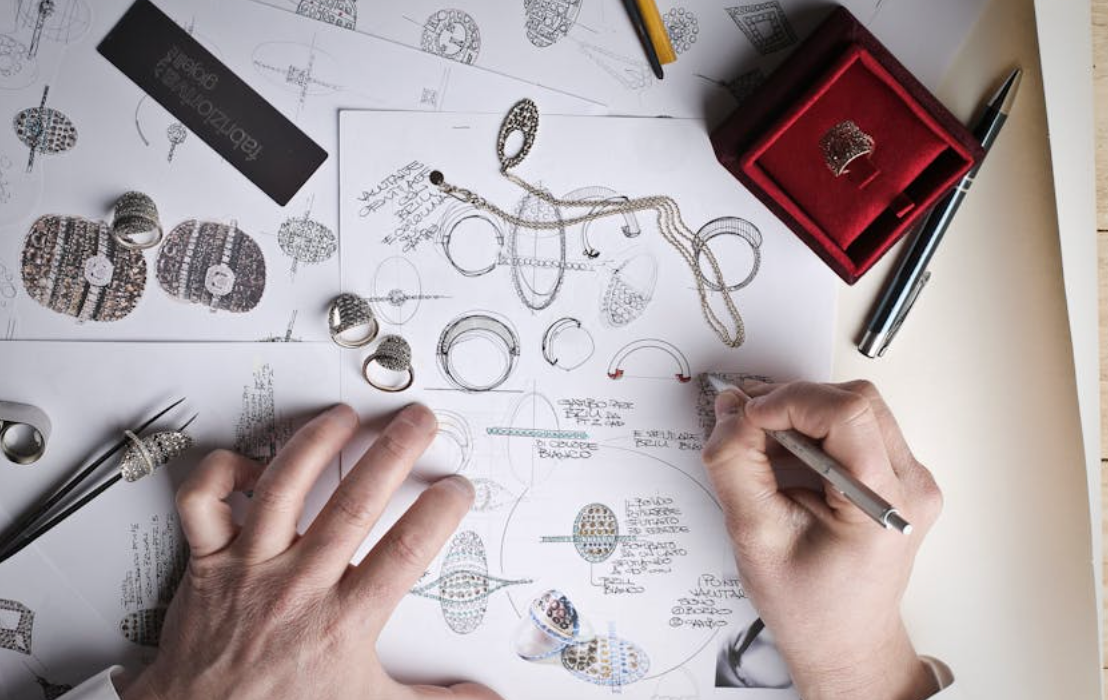
A dedicated jewelry partner helps turn scattered ideas into a finished design that feels complete. Many buyers know what they like, but they may not know how diamond proportions, metal choice, prong style, band width, and setting height affect the final result. Professional guidance gives structure to those decisions without removing the buyer’s personal voice.
This matters especially when the goal is emotional value. A skilled jeweler can help a buyer understand which features improve durability, which details change the visual mood, and which choices may become difficult to maintain over time. The best guidance does not push a generic idea of luxury. It listens, refines, and builds toward a ring that feels intentional from every angle.
Inspiration Should Become Interpretation
Looking at editorial jewelry guides, celebrity rings, and shopping recommendations can be helpful, but inspiration should be filtered through personal taste. A ring seen online may look perfect in a photograph but feel wrong for the wearer’s lifestyle. The purpose of inspiration is not to copy a design exactly. It is to understand preferences and translate them into something more specific.
Resources discussing where to buy lab-grown diamonds also show how many options now exist for modern buyers. More choice can be exciting, but it can also make decisions feel foggy. A personal ring emerges when those options are narrowed by meaning, quality, wearability, and emotional fit.
Conclusion
A diamond ring feels truly personal when every choice has a reason. The diamond shape, setting, metal, proportions, and hidden details should all connect to the wearer and the relationship behind the ring. Personalization is not about adding decoration for its own sake. It is about creating alignment between beauty, comfort, symbolism, and long-term meaning.
The most memorable rings are not simply chosen. They are shaped through attention. They reflect how someone is seen, understood, and valued. When a ring carries that kind of intention, it becomes more than fine jewellry. It becomes a small, lasting piece of the relationship itself.
For more, visit Pure Magazine