


What is modern interior design? It’s undoubtedly true that it’s increasingly driven by data, not just aesthetic vision. Given this, precise measurements, digital representation of space and integration with design systems are making technology a fundamental support for architects.
It’s no surprise, then, that 3D laser scanning has begun to play a significant role – as a tool that allows for the creation of accurate models of existing interiors and buildings. Let’s consider this further!
- What is 3D laser scanning services and how does it work?
- Why does laser scanning actually increase design accuracy and efficiency?
- How do 3D models and building information modeling change design collaboration?
Whether you simply want to know what 3D scanning is or want to learn about the role of accurate as-built models in the design and construction process, read on.
What is 3D laser scanning services and how does it work?
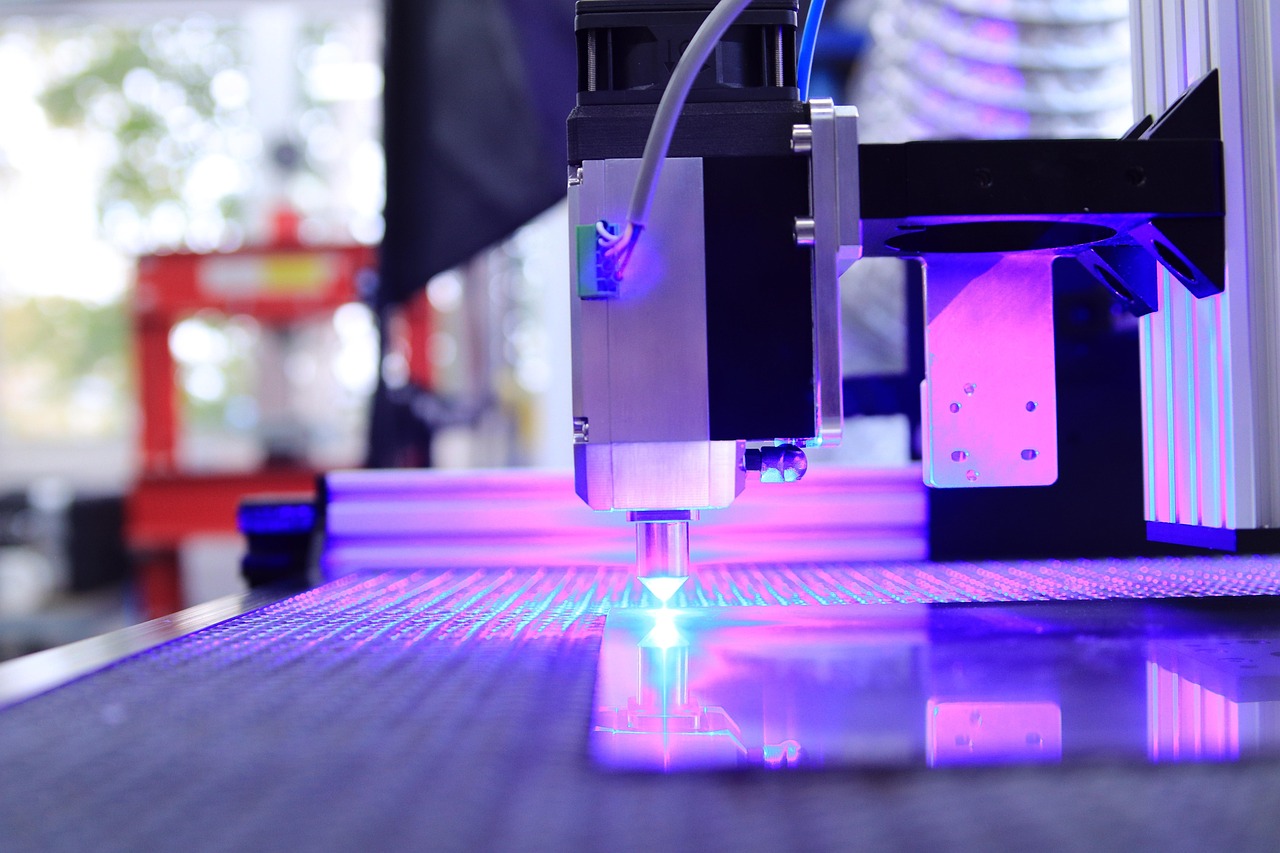
To put it very broadly, 3D laser scanning services are professional measurement services using light detection and ranging technology. In this process, a laser scanner emits a laser beam that reflects off a surface and then returns to the device. This creates a point cloud, a cloud of millions of points, creating a three-dimensional representation of the existing space.
It’s amazing that professional scanning services like https://www.capnor.com/en/laser-scanning are increasingly used in residential, office and commercial building renovation projects. The use of laser scanning technology means high-resolution data that can be used in later stages of the design process. It’s impressive!
Why does laser scanning actually increase design accuracy and efficiency?
The explanation is lengthy, but the most important point is that laser scanning and digital measurements significantly impact the accuracy and quality of a project. Furthermore, traditional measurement methods are time-consuming and error-prone.
So why not take advantage of the opportunities offered by new technologies? With 3D laser scanning, designers can quickly obtain comprehensive data from the entire facility.
In addition, scanning performed using modern laser scanners reduces the risk of costly changes during the construction phase. An accurate 3D model reduces the need for corrections, which translates into efficient management of buildings and interior design projects.
How do 3D models and building information modeling change design collaboration?
This is clearly evident: integrating data from laser scanning services with building information modeling systems is transforming the way design teams work. Point Cloud is used to create BIM models, which constitute a digital knowledge base for a facility.
Building information modeling is the best example of this – it allows for the integration of architectural, structural and installation data in a single computer environment. This allows each project to be analyzed for clashes, changes and optimizations – all before work begins.
For more, visit Pure Magazine
