


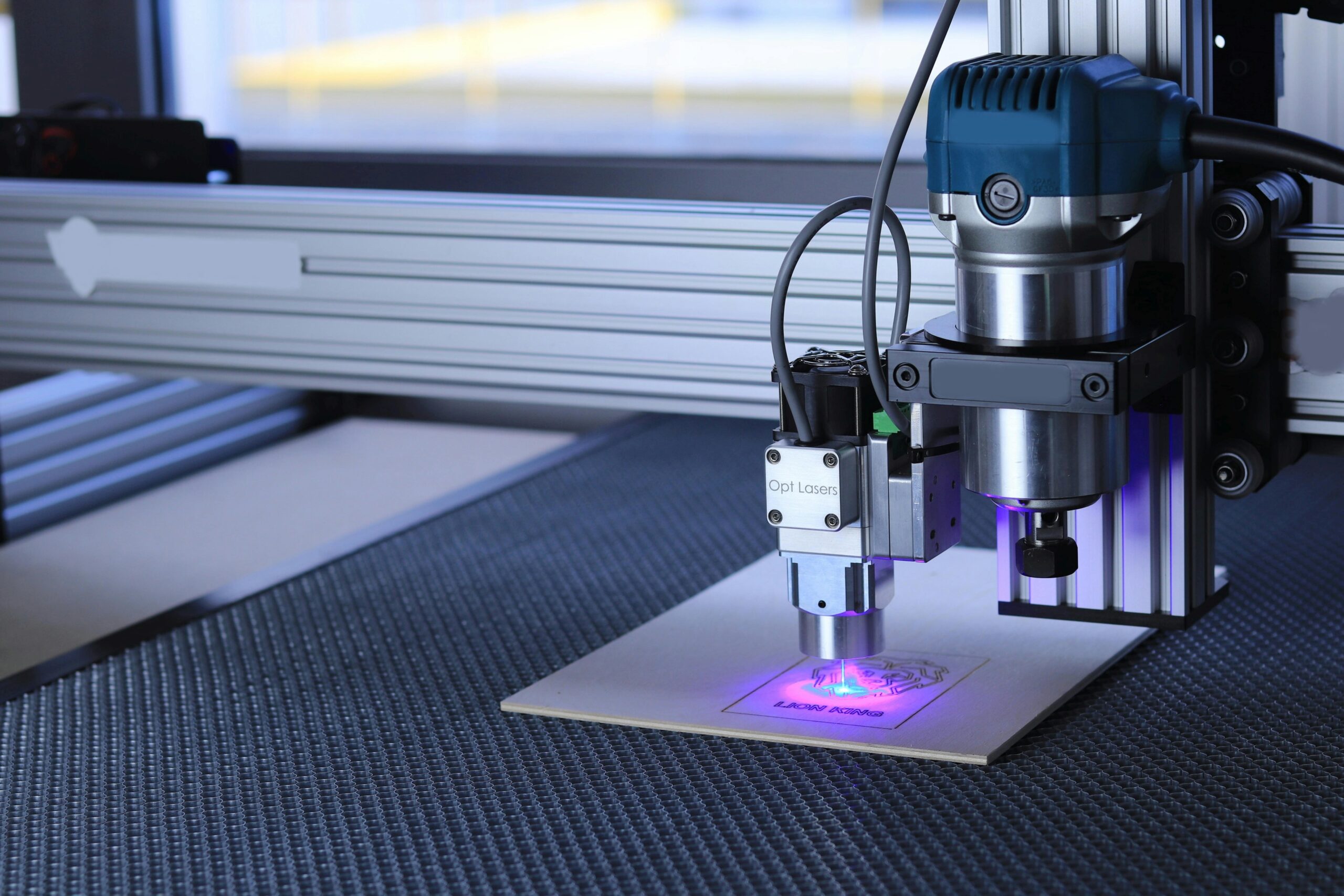
Definition of Laser Cutting Technology
Laser cutting is a process that uses a focused beam of light to cut or engrave materials. The word “laser” stands for Light Amplification by Stimulated Emission of Radiation. This beam is extremely powerful and can melt, burn, or vaporize materials with great precision.
The process is controlled by computer systems, which ensures that each cut follows the exact design. This makes laser cutting ideal for industries that require detailed and complex shapes. It is commonly used on metals such as stainless steel and aluminum, as well as non-metal materials like wood, acrylic, and plastic.
The Laser Cutting Process
The laser cutting process is simple but highly efficient. It begins with a digital design, usually created using CAD software. This design guides the machine during the cutting process.
Here are the main steps involved:
- Design Creation – Engineers create a digital drawing of the product.
- Machine Setup – The material is placed securely on the cutting bed.
- Laser Activation – The machine generates a high-powered laser beam.
- Cutting Operation – The laser follows the programmed path and cuts the material.
- Final Output – The finished piece is removed with clean and smooth edges.
Advanced facilities such as AIXI – Advanced Laser Cutting Fabrication Factory optimize this process to ensure speed, consistency, and minimal waste.
How Does a Laser Cutting Machine Work?
A laser cutting machine works by producing a concentrated beam of energy. This beam is directed through mirrors or fiber optics and focused onto the material using a lens. The intense heat causes the material to melt or vaporize.
Assist gases like oxygen or nitrogen are often used during the process. These gases help remove molten material and improve the quality of the cut. The entire operation is controlled by a computer system, ensuring high precision and repeatability.
There are several types of laser cutting machines:
- CO2 Laser Machines – Best for non-metal materials
- Fiber Laser Machines – Ideal for cutting metals with high accuracy
- Crystal Laser Machines – Used for specialized industrial tasks
Benefits of Laser Cutting Technology
Laser cutting offers many advantages compared to traditional cutting methods:
- High precision and detailed cuts
- Fast processing speed
- Minimal material waste
- Clean edges with little finishing required
- Ability to handle complex designs
These benefits make it a popular choice for industries such as automotive, aerospace, electronics, and construction. Businesses that need custom solutions often rely on RFS Custom Laser Cutting Services to achieve specific design requirements with high efficiency.
Why Choose Professional Fabrication Services?
Choosing an experienced fabrication provider is essential for achieving high-quality results. A company like AIXI – Advanced Laser Cutting Fabrication Factory combines advanced machinery with skilled technicians to deliver consistent outcomes.
Professional services ensure that each project meets industry standards. They also provide flexibility in handling different materials and designs. For customized projects, RFS Custom Laser Cutting Services offer tailored solutions that match unique production needs.
Conclusion
Laser cutting technology has revolutionized the manufacturing industry by offering precision, speed, and efficiency. It allows businesses to create complex designs with ease while maintaining high quality. With advanced providers like AIXI – Advanced Laser Cutting Fabrication Factory and reliable solutions such as RFS Custom Laser Cutting Services, companies can meet modern production demands with confidence.
For more, visit Pure Magazine
