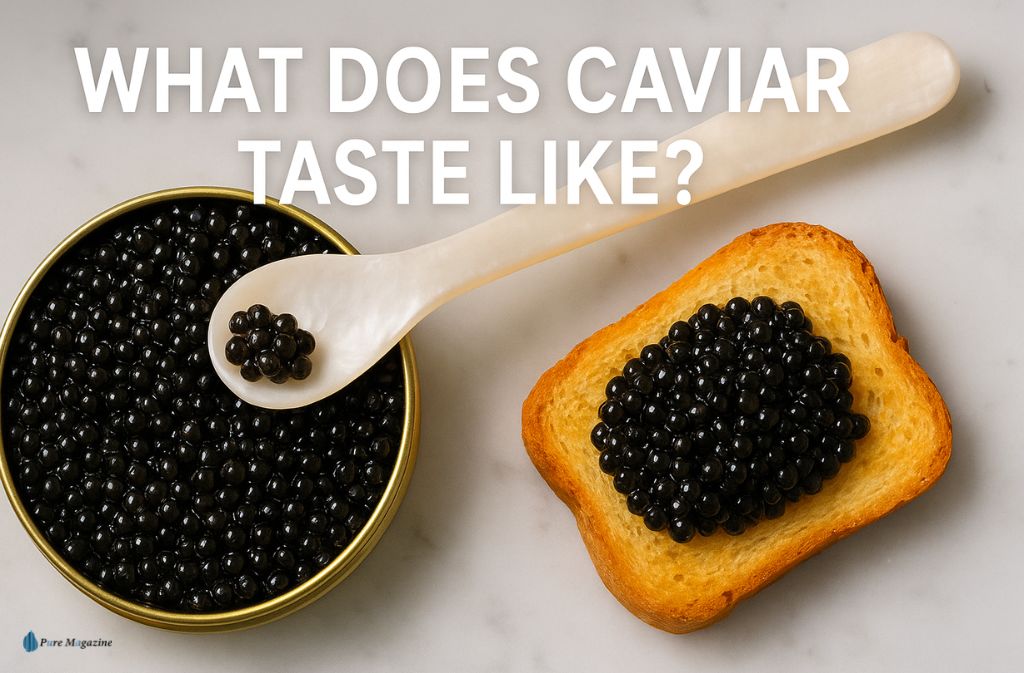
If you’ve ever seen a tiny tin of caviar selling for the price of a weekend getaway, you’ve probably wondered the same thing most people do: What does caviar actually taste like? Does it live up to the hype? Is it buttery? Salty? Fishy? Or is it one of those “you’ll either love it or hate it” foods?
As of 2025, caviar is trending thanks to social media food creators, luxury tasting videos, and rising interest in sturgeon farming. Yet most first-time buyers have no idea what to expect, and they’re afraid of spending money on something they may not even enjoy.
This guide breaks down the exact flavor, texture, differences between cheap and premium caviar, and how various types — Beluga, Osetra, Sevruga, Kaluga, red caviar — compare. By the end, you’ll know precisely what caviar tastes like and which type matches your palate.
Let’s start with the big question.
What Does Caviar Taste Like? (Simple Answer)
Caviar has a clean, lightly salty, buttery flavor with a subtle ocean note and a smooth, delicate texture. Good caviar does not taste fishy. Instead, it tastes fresh, slightly nutty, and melts on your tongue with small bursts of brine.
The core flavor profile of high-quality caviar:
- Slight saltiness (never overwhelming)
- Buttery or creamy finish
- Gentle ocean taste, not “fishy.”
- Nutty or earthy undertones (especially Osetra)
- Clean aftertaste — no lingering odor
The experience is more about texture + subtlety than bold flavor.
What Influences the Taste of Caviar?
Caviar flavor varies widely depending on:
1. Type of sturgeon (Beluga vs. Osetra vs. Sevruga)
Each species produces roe with a unique flavor profile.
2. Egg size and maturity
Larger eggs = creamier mouthfeel.
Younger roe = firmer texture, brighter taste.
3. Salt level (Malossol)
“Malossol” means “little salt,” which preserves without overpowering flavor.
4. Freshness & handling
Like oysters, caviar tastes best when stored and served properly.
5. Curing technique
Modern farms in 2024–2025 use low-salinity curing for a smoother, buttery taste.
Taste Comparison by Type of Caviar
Beluga Caviar (Most Luxurious)
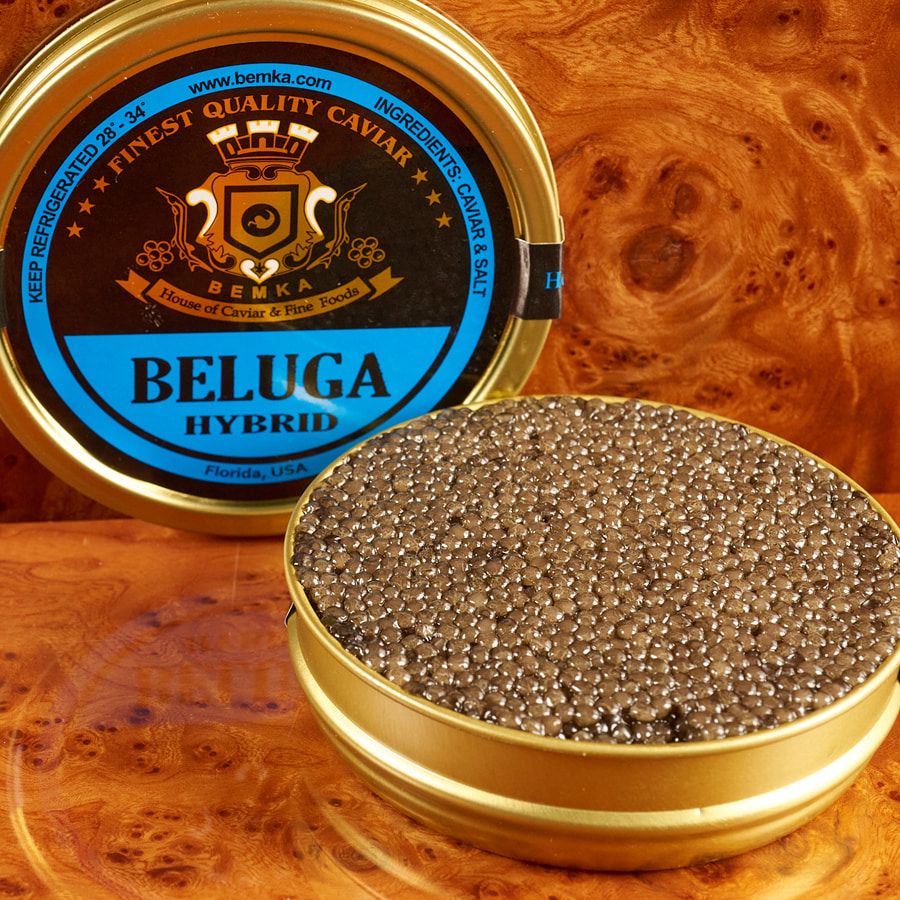
Taste:
- Exceptionally buttery
- Smooth, creamy
- Mild ocean flavor
- Slight sweetness
Texture:
- Large, soft eggs
- “Melt-in-your-mouth” feel
Best for:
Beginners who want a mild, rich flavor.
Osetra Caviar (Nutty & Balanced)
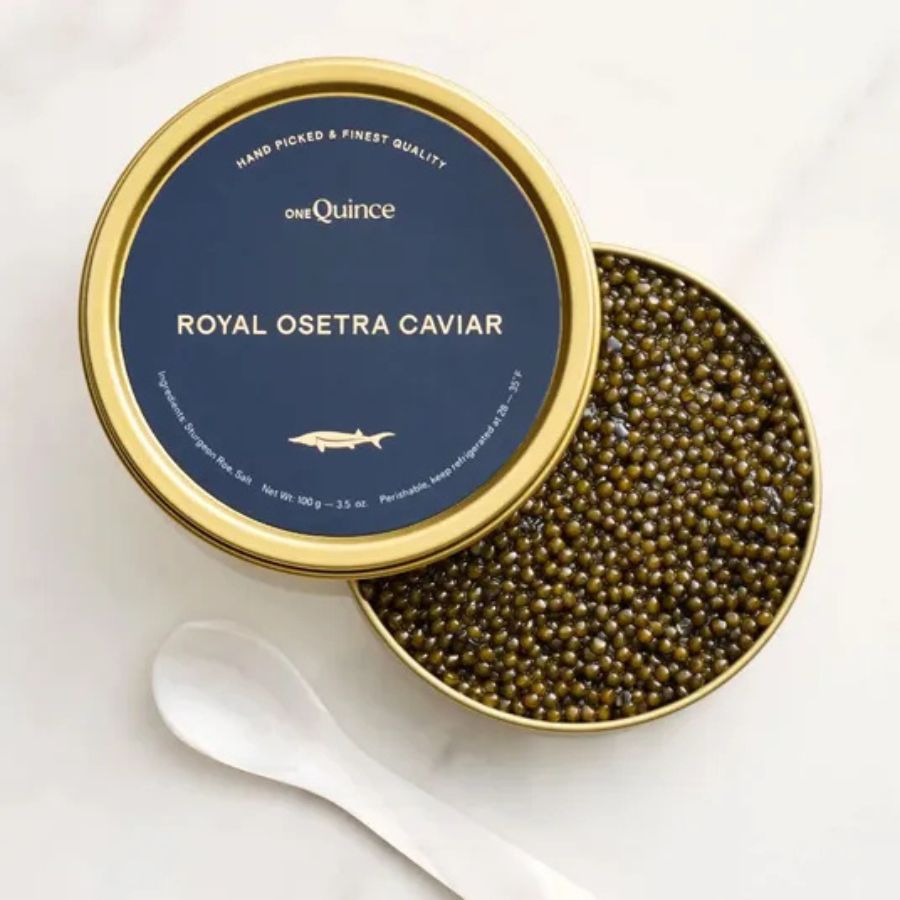
Taste:
- Nutty, earthy undertones
- Medium saltiness
- Clean ocean notes
Texture:
- Medium-sized eggs
- Firmer pop than Beluga
Best for:
People who prefer more complexity.
Sevruga Caviar (Boldest)
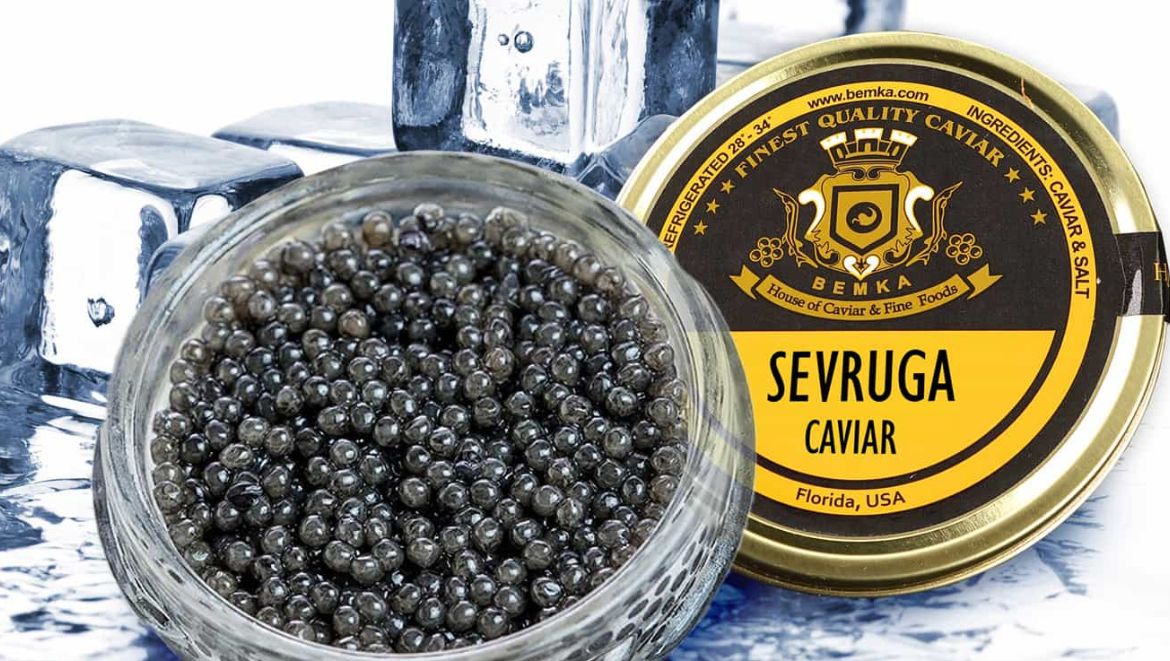
Taste:
- Saltiest of the three
- Stronger, brinier flavor
- Slight sharpness
Texture:
- Smallest eggs
- Pronounced pop
Best for:
Those who enjoy a more intense seafood flavor.
Kaluga Caviar (Beluga Alternative)
Taste:
- Buttery
- Mild
- Slight sweetness
Texture:
- Large, smooth eggs
Best for:
Beginners wanting luxury flavor without Beluga pricing.
Red Caviar (Salmon Roe)
Taste:
- Stronger ocean flavor
- Brighter, bolder brine
- Slight sweetness
- Sometimes a hint of smoke
Texture:
- Large popping eggs
Best for:
People who prefer a punchy taste.
(Budget-friendly compared to sturgeon roe.)
What Texture Does Caviar Have?
Texture is half the experience.
The Texture Breakdown
- Soft but firm — not mushy
- Gentle pop when bitten
- Silky or buttery mouthfeel
- Coats the tongue slightly
- Never rubbery or grainy
Cheap caviar often feels mushier, overly salty, or overly oily.
Does Caviar Taste Fishy?
No — real caviar should not taste fishy.
If it does, it may be:
- Too old
- Stored improperly
- Low-quality or not true sturgeon
- Over-salted to hide flaws
Fresh, high-quality caviar has a clean taste, like an ocean breeze, not fish.
Also check: Top 8 Vegetarian Korean Foods That Are Bursting with Flavor
Why Does Expensive Caviar Taste Better?
Premium caviar uses:
- Mature sturgeon (older fish = richer eggs)
- Low-salt malossol curing
- Better water conditions
- Strict harvesting practices
- Sustainable farming (2024–2025 standard)
Cheap caviar is often:
- Over-salted
- Harvested too early
- Stored poorly
- Made from non-sturgeon fish
Here’s a comparison:
Cheap vs. Premium Caviar
| Feature | Cheap Roe | Premium Sturgeon Caviar |
|---|---|---|
| Taste | Very salty, fishy | Buttery, clean, subtle |
| Texture | Mushy or rubbery | Smooth with gentle pop |
| Aftertaste | Strong, lingering | Clean, delicate |
| Color | Uneven | Uniform pearls |
| Price | $10–$30 | $80–$500+ |
| Best for | Garnishes | Pure tasting |
How to Taste Caviar Like a Beginner (Step-by-Step Guide)
Step 1 — Use a mother-of-pearl spoon
Metal alters flavor; mother-of-pearl preserves it.
Step 2 — Place a small amount on your tongue
Don’t chew immediately.
Step 3 — Let it warm slightly
The buttery flavor appears as it warms.
Step 4 — Roll the pearls across your tongue
Feel the texture, then gently pop.
Step 5 — Notice the finish
Good caviar ends clean, not fishy.
Common Mistakes Beginners Make
- Chewing too aggressively
- Using a metal spoon
- Eating it completely alone (pairing improves flavor)
- Buying salmon roe, thinking it’s sturgeon
- Buying from non-reputable sources
- Storing it incorrectly
What to Eat With Caviar (Beginner-Friendly Pairings)
These pairings balance the salty-buttery profile:
- Plain blinis
- Toast points
- Soft scrambled eggs
- Crème fraîche
- Cucumber slices
- Chilled vodka or dry Champagne
Avoid anything too salty or too flavored.
Is Caviar Good for You?
As of 2025, caviar is considered nutrient-dense and rich in:
- Omega-3s
- B12
- Selenium
- High-quality protein
But it’s also salty, so eat it in moderation.
FAQs
Q1. Does caviar really taste good?
Yes — when it’s high quality. Good caviar tastes buttery, lightly salty, and clean with no fishiness. Poor-quality caviar can taste overly salty or metallic, which is why sourcing matters.
Q2. Does caviar taste like fish?
No. True sturgeon caviar is not fishy. It has a subtle ocean note but a clean finish. A fishy taste usually means low quality or improper storage.
Q3. What does expensive caviar taste like?
Premium caviar tastes richer, creamier, and more refined. It has deeper flavors, a smooth texture, and a clean aftertaste compared to cheaper roe.
Q4. What does red caviar taste like?
Red caviar (salmon roe) tastes stronger, saltier, and more ocean-forward than sturgeon caviar. It’s bold, bright, and has a pronounced pop.
Q5. What does Beluga caviar taste like?
Beluga caviar is mild, buttery, and extremely creamy. It’s known for its luxurious mouthfeel and slight sweetness.
Q6. What does sturgeon caviar taste like?
Sturgeon caviar has a balanced flavor: lightly salty, clean, mildly nutty, and subtly oceanic.
Q7. Why is caviar so expensive?
Sturgeon take years to mature, and their roe is harvested under strict, sustainable conditions. Limited supply + high demand = premium pricing.
Conclusion
Caviar tastes buttery, slightly salty, and clean, with a delicate ocean flavor and a smooth texture that melts on the tongue. Once you understand how type, quality, and freshness influence taste, choosing the right caviar becomes easy — especially for beginners.
Whether you’re trying Beluga for its creaminess or Osetra for its nutty depth, now you know exactly what caviar tastes like and how to enjoy it like a pro.