Are you experiencing small structural issues in your property, like cracks forming in your walls, doors that suddenly refuse to close properly, or floors that feel uneven when you walk across them? These problems usually happen due to weak foundations and can quickly turn into a major problem if not fixed timely.
Foundation problems are stressful because they threaten the structure of the entire house. Homeowners in growing communities such as Windsor often face these challenges because of soil movement and environmental factors. The good news is that most foundation issues can be fixed by understanding their root causes.
In this guide, we will explore some common reasons why foundations begin to sink and the practical way to restore stability to your home.
Poor Soil Compaction
One of the most common reasons your foundation may begin to sink is poor soil compaction during construction. When a house is built, the soil beneath it should be tightly compacted to create a stable base. If this process is rushed or done incorrectly, the soil remains loose and unstable.
Over time, the weight of your home presses down on that loose soil. As the soil slowly settles, your foundation moves downward with it. This often leads to cracks in the walls, uneven floors, and gaps around windows or doors.
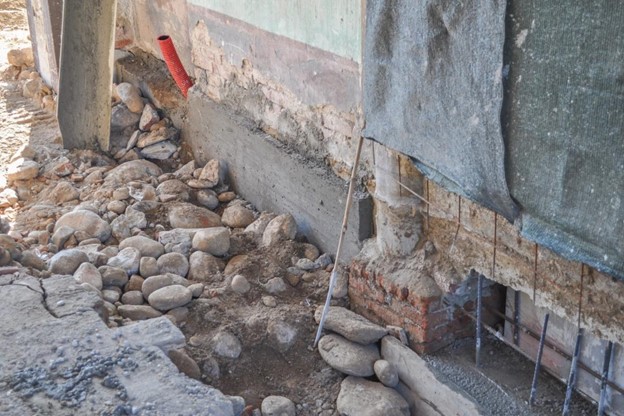
Fixing this problem usually requires strengthening the support beneath your home. Professionals often stabilize the structure by installing deep supports that reach stronger soil layers. Many contractors recommend professional underpinning services London to reinforce the foundation and prevent further sinking.
Soil Expansion and Shrinkage
Soil does not always stay the same throughout the year. In many regions, soil expands when it absorbs water and shrinks when it dries out. This constant movement creates pressure under your foundation.
If this movement continues for years, your foundation may begin to settle unevenly. To fix the issue, contractors often stabilize the soil and improve drainage around your property. By controlling moisture levels and reinforcing the foundation, you can stop the ongoing movement and protect your home.
Poor Drainage Around the Property
Water is one of the biggest enemies of a stable foundation. If rainwater or irrigation water collects around your home, it can slowly weaken the soil beneath it. Poor drainage allows water to soak into the ground and change the soil’s strength.
Fixing this problem usually involves improving the drainage system around your house. Contractors usually install better grading, gutters, or drainage channels to move water away from the structure.
Tree Roots Near the Foundation
Large trees planted too close to your home can also cause foundation problems. Tree roots naturally grow outward in search of water. As they expand, they can remove moisture from the soil surrounding your foundation.
When soil dries out because of aggressive root systems, it shrinks and loses volume. This shrinkage creates empty spaces beneath parts of your foundation. As a result, sections of the structure start to sink or settle unevenly.
Addressing both the foundation and the nearby vegetation is the best way to fix this issue. In some cases, tree roots must be managed or removed, and installed structural supports that restore balance to the building.
Plumbing Leaks Beneath the House
Hidden plumbing leaks are another major cause of sinking foundations. If a water pipe breaks or slowly leaks under your home, the constant flow of water can weaken the surrounding soil.
As the soil becomes saturated, it begins to shift or wash away. It leaves parts of your foundation unsupported. The first step in fixing this problem is locating and repairing the leak. Once the plumbing issue is resolved, contractors can assess the soil damage. They may fill voids, compact the soil, or add structural support to lift and stabilize the foundation again.
Changes in Groundwater Levels
Groundwater levels naturally rise and fall depending on weather patterns and seasonal changes. When groundwater increases, it can soften the soil beneath your home. When it drops, the soil may shrink or lose support.
Improving water management around your property can help avoid such troubles. You can install drainage systems or foundation supports that anchor the structure to deeper, more stable soil layers.
Aging Foundations and Long-Term Settlement
Even well-built homes experience some level of settlement over time. As years pass, the soil beneath your home slowly compresses under the weight of the structure. Though small settlements are normal, excessive sinking can become a serious concern.
Older homes may also have foundations built using outdated materials or methods. These structures may weaken over time and struggle to handle modern environmental conditions.
Many homeowners choose structural reinforcement methods such as underpinning in Windsor to strengthen aging foundations and restore stability. These solutions extend the life of the building and prevent further settlement.
Bottom Line
A sinking foundation is an alarming situation, but understanding the causes helps you respond quickly and effectively. In case of noticing any of the aforementioned warning signs, consult a professional immediately. It will not only help regain the stability of your home but also improve its safety and value.
For more, visit Pure Magazine