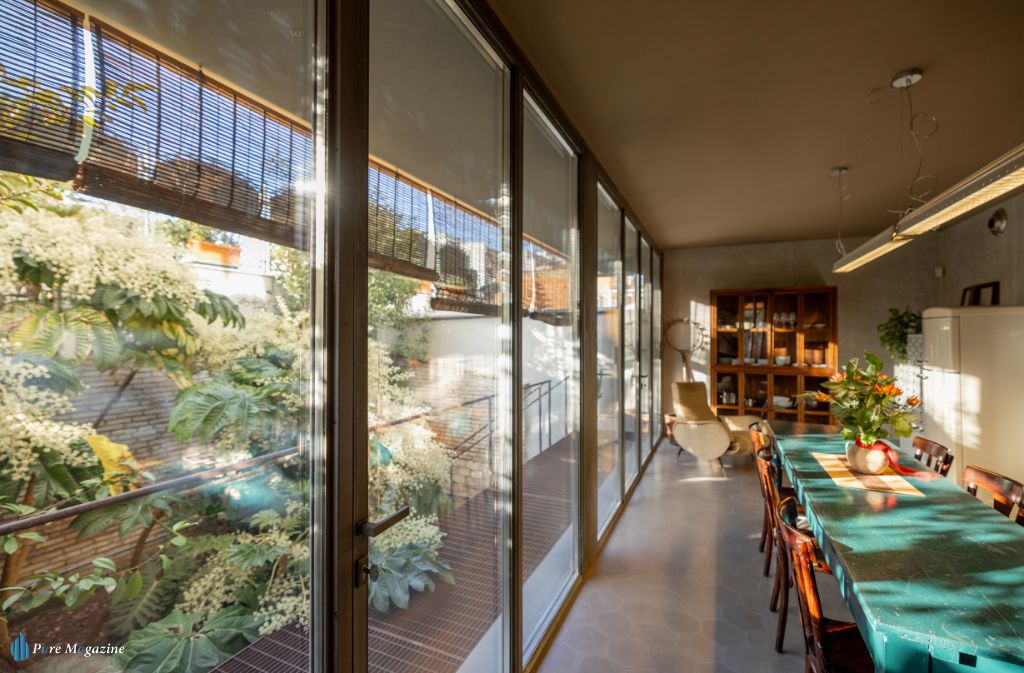
The spaces people spend time in have a powerful influence on how they feel. Colour, light, layout, and design all shape emotional well-being, often without being consciously noticed. In care communities, this becomes even more important, as the environment plays a direct role in creating feelings of safety, calm, belonging, and dignity. Aesthetic design is not about luxury alone. It is about emotional reassurance and everyday comfort.
Here are some of the key ways beautifully designed environments support emotional well-being.
They Create a Sense of Calm and Stability
Soft colour palettes, natural materials, and balanced layouts help reduce feelings of anxiety. When spaces feel harmonious and uncluttered, the mind is more likely to relax. Calm environments support emotional regulation, particularly for individuals who may already feel vulnerable or overwhelmed by change.
A peaceful atmosphere provides reassurance and encourages a sense of control over one’s surroundings.
They Encourage a Feeling of Home
When spaces feel warm and familiar, they support emotional security. Thoughtful décor, comfortable furniture, and personal touches transform a building into a place that feels lived in and welcoming rather than institutional.
Care communities such as the care homes in Hornchurch show how design can blend care and comfort, helping residents feel truly at home rather than simply accommodated.
They Support Confidence and Dignity
Aesthetic environments communicate respect. When residents are surrounded by well-designed, thoughtfully curated spaces, it reinforces their sense of worth. Attractive settings show that their comfort matters and that their living environment is valued.
This sense of dignity strengthens emotional well-being and encourages confidence in daily life.
They Improve Mood Through Natural Light
Natural light has a significant effect on emotional health. Bright spaces can boost mood, increase energy levels, and help regulate sleep patterns. Large windows and open layouts that allow light to flow freely make environments feel open, positive, and uplifting.
Well-lit spaces feel safer and more engaging, reducing feelings of isolation or confinement.
They Encourage Social Interaction
Beautiful communal areas invite people to gather. When spaces are visually appealing and comfortable, residents are more likely to spend time in shared settings, building friendships and participating in activities.
Social connection is one of the strongest contributors to emotional comfort, and design plays a quiet but essential role in making interaction feel natural.
They Support Emotional Orientation
Clear layouts and intuitive design reduce confusion and frustration. When people can easily understand and move through a space, it builds confidence and reduces stress.
Simple navigation, consistent design features, and clear visual cues help residents feel more secure and independent.
They Offer Comfort Through Texture and Materials
Soft furnishings, warm flooring, and tactile materials provide physical and emotional comfort. Texture creates sensory reassurance and contributes to a feeling of cosiness and familiarity.
These details may seem small, but they shape how safe and relaxed a space feels.
They Connect People to Nature
Access to gardens, greenery, and outdoor views has a calming effect on emotional well-being. Natural environments encourage relaxation, reflection, and gentle movement.
Being able to step outside or enjoy natural scenery supports a sense of peace and continuity with everyday life.
They Support Personal Identity
When residents can personalise their surroundings, emotional comfort increases. Familiar photographs, cherished belongings, and meaningful décor help maintain a strong connection to personal history.
This reinforces identity and helps people feel rooted in who they are.
They Reduce Feelings of Isolation
Attractive environments encourage presence. People are more likely to leave their rooms, explore shared spaces, and engage with others when their surroundings feel welcoming.
This reduces loneliness and supports emotional resilience through community connection.
Aesthetic environments do far more than please the eye. They support emotional comfort by creating calm, confidence, connection, and dignity. In care settings, thoughtful design becomes a quiet form of care itself, shaping how people feel, interact, and experience everyday life.
For more, visit Pure Magazine