Vegetarian catering has a reputation problem.
For years, it meant one sad pasta dish sitting at the end of a buffet table, added almost as an obligation rather than a genuine menu choice. That reputation is outdated — but it lingers, and it means a lot of event organisers still underestimate what a well-designed vegetarian menu can actually deliver.
It’s exactly the gap that’s driving a shift in how catering teams approach plant-based food. Rather than treating vegetarian options as a stripped-down version of a meat-focused menu, Love Food’s plant-based catering team designs it as a fully considered category in its own right — and it’s a good example of what that looks like in practice.
Here’s what actually separates a vegetarian spread people forget about from one people look forward to.
Variety Beats A Single “Safe” Option
The biggest mistake in vegetarian catering is treating it as one dish rather than a full menu.
A single vegetarian option, however well made, can’t carry the same weight as a proper spread built around different textures, cuisines, and flavour profiles. One dish is an accommodation. A menu is a choice.
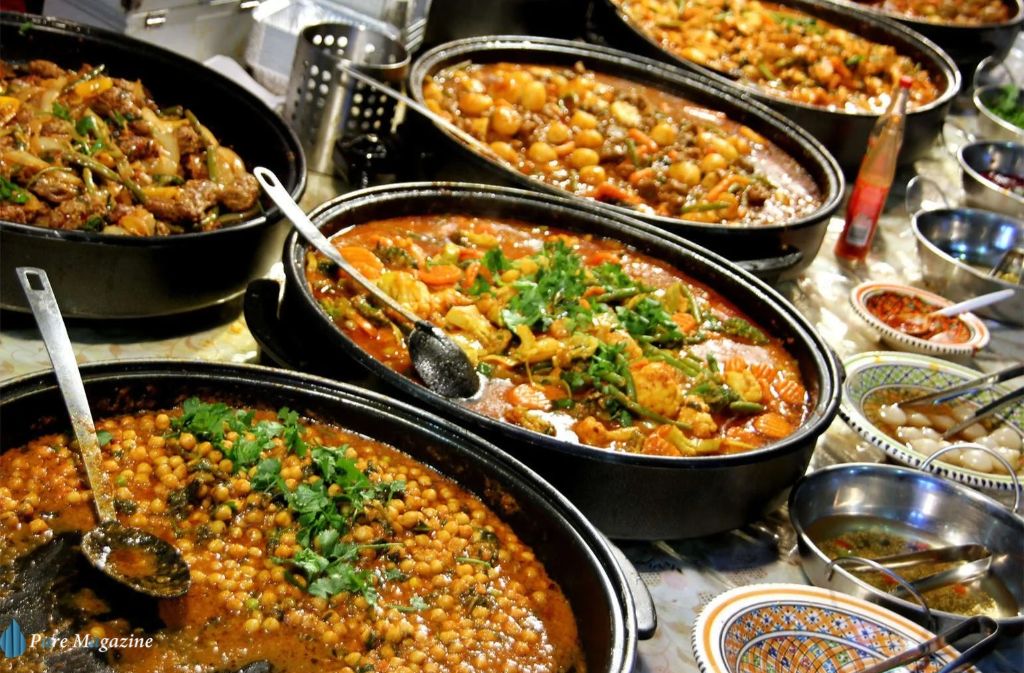
A genuinely satisfying vegetarian spread draws from multiple culinary traditions — Mediterranean, South Asian, Middle Eastern, and beyond — rather than defaulting to the same handful of Western vegetarian staples repeated at every event. Variety isn’t a luxury here. It’s the difference between food that feels like an afterthought and food that feels intentional.
Protein And Texture Matter More Than People Expect
One of the most common complaints about weak vegetarian catering isn’t flavour — it’s texture.
A menu heavy on soft, similar-textured dishes (think multiple variations of pasta or rice) feels monotonous regardless of how good each individual dish tastes. Guests notice repetition faster than they notice quality.
Proper vegetarian menu design pays close attention to contrast: something crisp alongside something creamy, something roasted alongside something fresh. Plant-based proteins — legumes, tofu, tempeh, halloumi, and properly seasoned grains — all bring genuine substance to a plate, rather than leaving vegetarian guests with a meal that feels lighter or less complete than everyone else’s.
Seasoning Deserves As Much Attention As The Meat Dish Gets
Here’s an uncomfortable truth in a lot of catering: meat dishes tend to get the seasoning attention, while vegetarian dishes are sometimes treated as simpler by default.
That’s backwards. Without meat carrying a lot of the flavour naturally, vegetarian dishes actually require more careful seasoning, not less, to land properly. Herbs, spice layering, acidity, and finishing touches all do more work on a plant-based plate — and it shows immediately when that step gets skipped.
Presentation Signals Intent
A vegetarian dish presented as carefully as everything else on the table sends a clear signal: this wasn’t an afterthought.
Conversely, a vegetarian option that looks visibly less considered — thrown together at the last minute, plated without the same care — communicates the opposite, even if the flavour itself is decent.
For event organisers, this is a small detail that carries real weight, particularly for guests who are used to vegetarian options being treated as secondary. Presentation isn’t vanity here; it’s a signal of whether the whole menu was actually planned with everyone in mind.
Dietary Complexity Doesn’t Stop At “Vegetarian”
Vegetarian catering isn’t one single category either.
Vegan, dairy-free, gluten-free, and allergen-specific requirements often overlap with vegetarian requests, and a menu built with only “no meat” in mind can still leave guests with genuine dietary needs poorly served.
Good vegetarian catering plans for this overlap from the start, rather than treating each dietary requirement as a separate, bolted-on modification to figure out later. A menu that’s already flexible enough to flex further — swapping dairy, confirming gluten-free options, labelling clearly — saves a lot of last-minute scrambling on the day.
Why This Matters Beyond A Single Event
Getting vegetarian catering right isn’t just about satisfying one group of guests at one event.
As more people adopt flexitarian, vegetarian, or plant-forward diets generally, a strong vegetarian menu becomes less of a niche accommodation and more of a genuine draw — something that can make an event’s food memorable for everyone, not just vegetarian guests.
Event organisers who treat vegetarian catering as a design challenge worth investing in, rather than a compliance checkbox, tend to see the difference reflected in guest feedback, often more than they expect. The dishes that get finished first, photographed, and talked about afterwards are rarely the ones that were treated as an afterthought.
Planning It Properly From The Start
Good vegetarian catering, like good catering generally, comes down to planning early rather than adjusting at the last minute.
It’s worth thinking through dietary planning alongside the rest of an event’s logistics — timing, format, delivery windows — rather than treating it as a separate afterthought bolted on once everything else is confirmed, something covered in more detail in this piece on planning catering for corporate events. The earlier a caterer understands the full guest list and its dietary spread, the more room there is to build a menu that actually holds together, rather than a main menu with a few substitutions tacked on.
The Bottom Line
A vegetarian menu that’s actually satisfying isn’t complicated to achieve, but it does require treating vegetarian food as its own fully realised category rather than a subtraction from a meat-focused menu.
Variety, texture, proper seasoning, and thoughtful presentation are what separate a forgettable vegetarian spread from one that genuinely holds its own against everything else on the table. Get those fundamentals right, and vegetarian catering stops being a compromise — it becomes one of the best parts of the event.
For more, visit Pure Magazine