


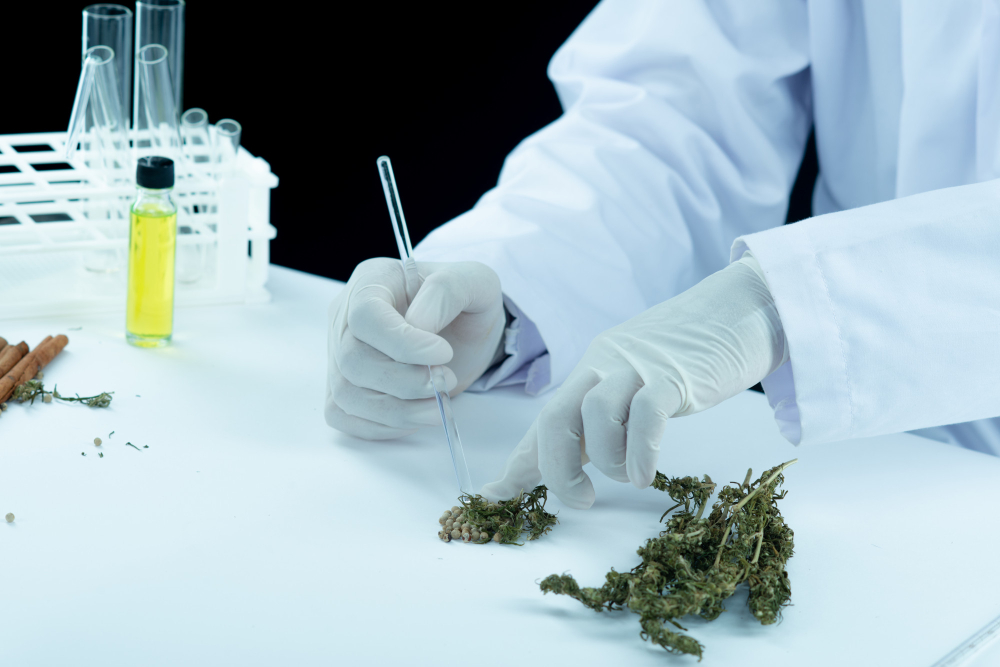
Healthcare across Europe is evolving. As scientific research expands and patient expectations shift, medical systems are under pressure to incorporate new therapies responsibly. One area that has drawn significant attention is cannabis-based medicine. While discussions often focus on controversy, the more important conversation is about regulation, safety, and clinical application.
Switzerland has emerged as one of the clearest examples of how medical cannabis can be integrated into a structured healthcare model without sacrificing oversight or professional accountability.
From Restriction to Structured Access
For many years, cannabis-based treatments in Switzerland were only available through special federal authorizations. Patients required individual approval, making access complicated and often delayed.
Recent legislative changes simplified this process. Physicians can now prescribe cannabis preparations directly when medically indicated. This removed unnecessary bureaucracy while keeping strict pharmaceutical and medical controls in place.
Under the current system:
- Only licensed doctors may prescribe
- Products must meet pharmaceutical-grade production standards
- Distribution occurs exclusively through regulated pharmacies
- Treatment documentation is required
This framework ensures cannabis remains clearly positioned within the healthcare system, not outside of it.
When Is Medical Cannabis Considered?
Medical cannabis is not typically a first-line therapy. Instead, it is considered when conventional treatments have proven ineffective or poorly tolerated.
Conditions commonly evaluated include:
- Chronic neuropathic pain
- Spasticity associated with multiple sclerosis
- Chemotherapy-related nausea
- Palliative care symptom control
- Certain therapy-resistant neurological disorders
Treatment plans are individualized. Dosage adjustments are gradual, and physicians monitor patients closely to assess both therapeutic benefits and side effects.
Why Regulation Matters
One of the primary concerns surrounding cannabis use is variability. Without strict control, product potency, purity, and composition can differ significantly.
The model surrounding medicinal cannabis in Switzerland prioritizes consistency and safety. Laboratory testing ensures accurate THC and CBD concentrations. Contaminants are screened. Dosage formats are standardized, typically including oils or capsules rather than combustible products.
This pharmaceutical approach reduces unpredictability and aligns cannabis-based therapy with established medical principles.
Balancing Innovation with Caution
Switzerland’s healthcare philosophy emphasizes measured innovation. Reform was implemented without rushing into commercialization or loosening controls excessively.
Insurance reimbursement, for example, may require detailed medical justification. This cautious approach reflects a commitment to responsible prescribing rather than widespread expansion without clinical evidence.
As research continues, policies may evolve further. Data collection and outcome monitoring remain essential components of long-term evaluation.
The European Context
Medical cannabis regulations vary widely across Europe. Some countries restrict prescribing to specialists only. Others struggle with supply chain challenges. A few maintain particularly conservative policies.
Switzerland’s model stands out for its balance. It does not treat cannabis as a lifestyle product, nor does it treat it solely as a prohibited substance. Instead, it positions it as a therapeutic option governed by the same standards applied to other medications.
Looking Ahead
The conversation around medical cannabis is gradually becoming more clinical and less ideological. As evidence expands, healthcare systems must decide how to integrate cannabinoid therapies responsibly.
Switzerland’s framework suggests that progress does not require dramatic shifts. Careful legal reform, physician oversight, pharmaceutical standards, and ongoing evaluation can provide patients with additional treatment options while maintaining public health safeguards.
The future of medical cannabis in Europe will likely be shaped not by political rhetoric but by data, clinical outcomes, and structured regulation. Switzerland’s experience offers a practical example of how that balance can be achieved.
For more, visit Pure Magazine

