


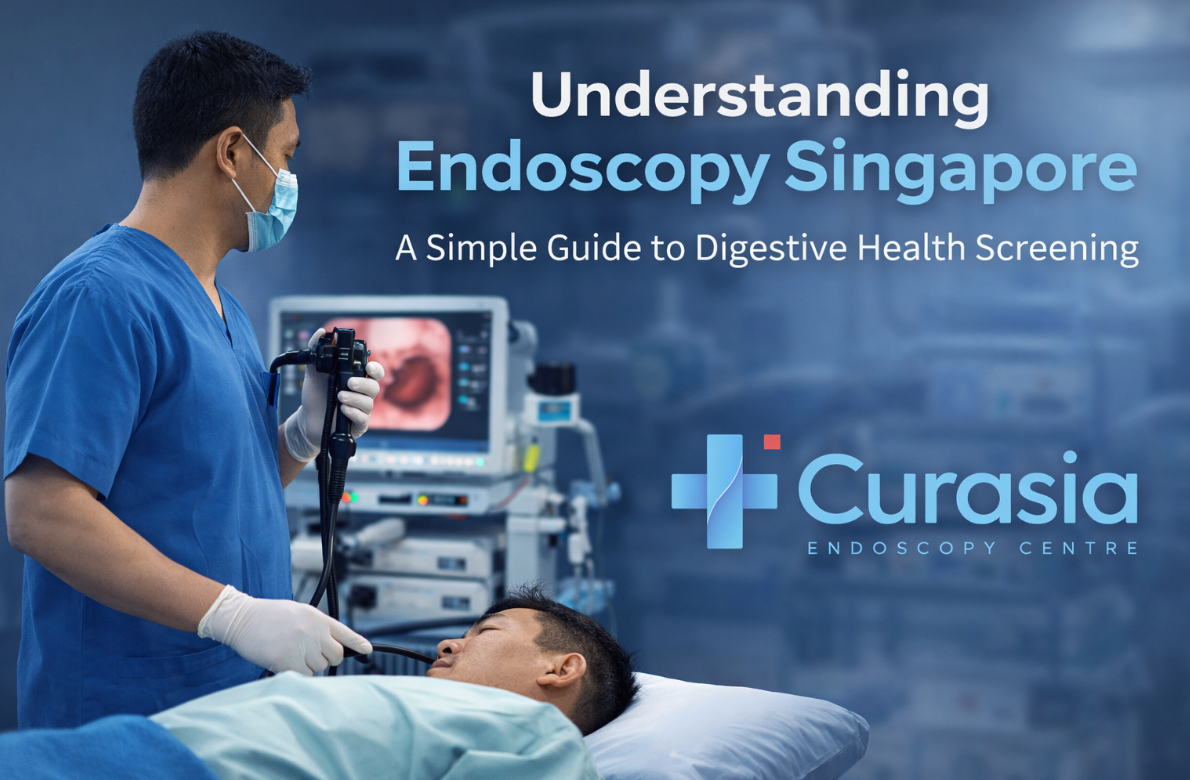
Digestive health often gets ignored until discomfort appears, but early screening can make a big difference. One of the most reliable ways doctors examine the digestive system is through endoscopy. Many people searching for screening options turn to services such as endoscopy Singapore to check for stomach or colon issues before they become serious. In Singapore, modern clinics provide advanced equipment and experienced specialists who help patients detect problems early and maintain long term digestive health.
What Endoscopy Actually Means
Endoscopy is a medical procedure that allows doctors to look inside the digestive tract using a thin flexible tube with a small camera. This tool sends clear images to a monitor so the doctor can examine internal organs closely.
The procedure helps identify a wide range of digestive conditions including inflammation, ulcers, bleeding, and abnormal tissue growth.
Common areas examined during endoscopy include
- The esophagus
• The stomach
• The small intestine
• The colon
Doctors may also collect tiny tissue samples during the procedure for further examination.
Why Digestive Screening Matters
Many digestive diseases develop slowly and may not show clear symptoms in the early stages. Screening helps detect these conditions before they become difficult to treat.
Endoscopy screening is often recommended for people who experience symptoms such as
- Persistent stomach pain
• Difficulty swallowing
• Chronic acid reflux
• Unexplained weight loss
• Blood in stool
• Frequent indigestion
Even individuals without symptoms may benefit from screening, especially those above certain age groups or those with a family history of digestive disease.
Types of Endoscopy Procedures
Different parts of the digestive system require different endoscopic procedures. Clinics offering endoscopy Singapore services commonly perform the following examinations.
Gastroscopy
Gastroscopy focuses on the upper digestive system. The camera enters through the mouth and allows doctors to examine the esophagus, stomach, and upper small intestine.
This procedure helps detect conditions such as
- Gastritis
• Stomach ulcers
• Acid reflux damage
• Early stomach cancer
Gastroscopy usually takes only a short time and patients often return home the same day.
Colonoscopy
Colonoscopy examines the large intestine and rectum. It is widely used to detect colorectal cancer, which is one of the most common cancers worldwide.
During colonoscopy doctors can
- Identify polyps
• Remove abnormal growths
• Check for inflammation
• Detect early cancer signs
Removing polyps early significantly reduces the risk of colorectal cancer.
Who Should Consider Endoscopy Screening
Doctors may recommend endoscopy for several groups of people. While symptoms often guide testing, preventive screening is also important.
You may benefit from endoscopy screening if you
- Are over age forty or fifty depending on medical advice
• Have a family history of colorectal cancer
• Experience frequent digestive discomfort
• Have long term acid reflux
• Notice changes in bowel habits
Early detection allows doctors to treat problems before they progress into more serious conditions.
What Happens Before the Procedure
Preparation helps ensure clear results during the examination.
For gastroscopy, patients are usually asked to avoid food for several hours before the procedure. This allows the doctor to see the stomach lining clearly.
For colonoscopy, bowel preparation is required. Patients drink a special solution that cleans the intestines so the camera can capture accurate images.
Doctors will provide simple instructions before the appointment to ensure the procedure goes smoothly.
What Patients Experience During Endoscopy
Many people worry about discomfort, but modern endoscopy procedures are designed to be as comfortable as possible.
Patients often receive mild sedation, which helps them relax and prevents pain during the procedure. The examination typically takes between fifteen and thirty minutes depending on the type.
Medical staff monitor the patient throughout the process to ensure safety and comfort.
After the procedure patients usually rest briefly before going home. Most return to normal activities the same day.
Benefits of Choosing Specialized Endoscopy Centers
Clinics that focus specifically on digestive screening offer several advantages.
Specialized centers typically provide
- Experienced doctors trained in digestive procedures
• Modern imaging technology
• Comfortable patient care environments
• Efficient appointment scheduling
Centers like Curasia aim to make screening simple and accessible, helping more people take control of their digestive health without unnecessary stress.
The Role of Early Detection
Early screening saves lives. Many digestive diseases including colorectal cancer develop gradually, often beginning as small polyps or mild tissue changes.
When these issues are found early doctors can remove abnormal growths or treat conditions before they spread or worsen.
Regular screening is one of the most effective ways to maintain digestive health and avoid complex treatments later.
A Growing Focus on Preventive Healthcare
In recent years Singapore has placed strong emphasis on preventive healthcare. More people now understand the value of screening before symptoms appear.
Accessible endoscopy services encourage individuals to stay proactive about their health. Clinics with advanced equipment and experienced professionals make it easier for patients to undergo examinations without long waiting periods or complicated processes.
Routine screening is becoming part of regular health checkups for many individuals who want to monitor their digestive system and maintain long term wellness.
Understanding digestive health often begins with awareness. Many people who take the step to schedule screening discover how simple and informative the process can be. A short procedure can reveal valuable insights about the body, offering reassurance for some and early guidance for others who need treatment.
For more, visit Pure Magazine