


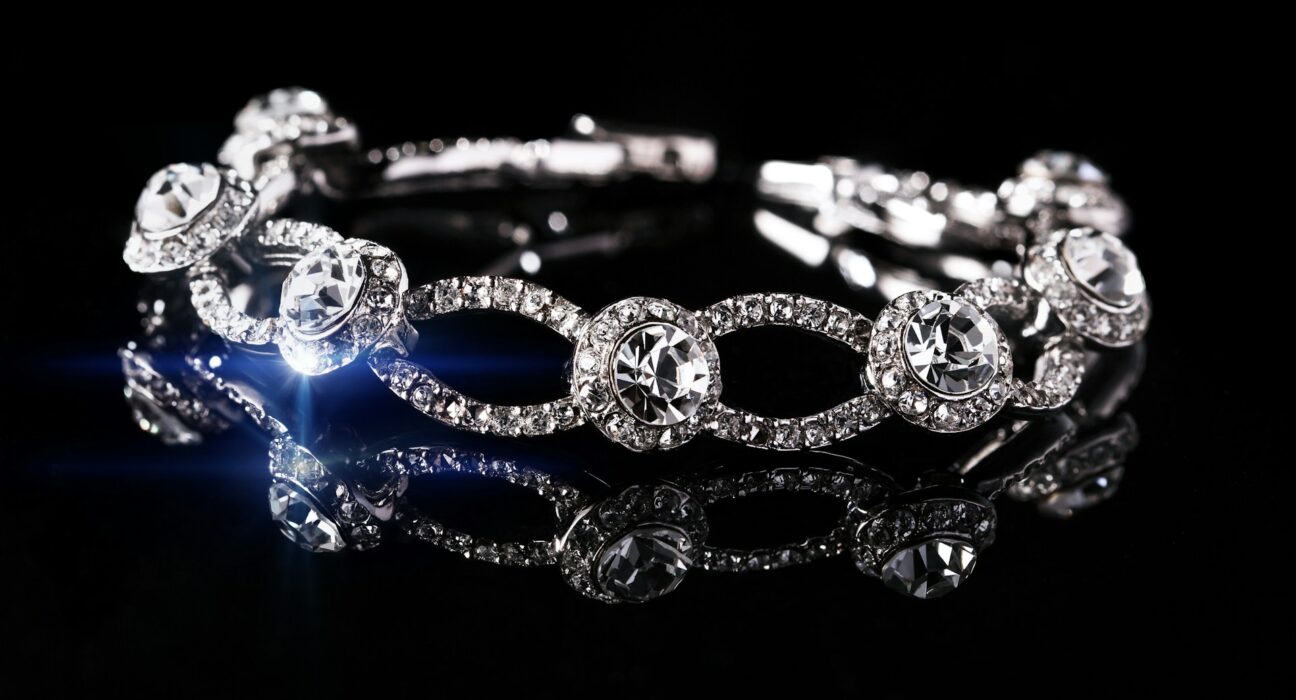
The question of where to manufacture silver jewellery comes up constantly in UK retail, and the honest answer is that it depends, but not in the vague, non-committal way that phrase usually implies. It depends on specific, calculable things: volume, design complexity, lead time requirements, and how much of the margin you can afford to lose at each stage. Once you work through those variables, the picture usually becomes clearer than you expected.
For most UK jewellery businesses, the debate has moved on from “local vs overseas.” The real question now is which combination of the two actually serves the business, and whether the structure you have in place is costing you more than it should.
Producing Silver Jewellery in the UK
UK manufacturing has genuine advantages. Prototyping is faster when you can walk into a workshop. Communication is simpler. Quality control is easier to manage when you are in the same time zone as your manufacturer and can visit in person when something goes wrong. For small runs where design accuracy matters more than unit economics, domestic production often makes sense.
The cost structure, though, is difficult to ignore. Labour is the biggest factor. Silver jewellery is hand-intensive work — stone setting, polishing, assembly, finishing, and quality inspection all require skilled people, and in the UK that means absorbing wages, employer National Insurance contributions, pension obligations, and the overhead of maintaining a workshop. None of those costs is unreasonable on its own; together they create a floor that overseas manufacturing simply does not have.
Raw material does not provide any relief. Sterling silver is traded on global markets, so UK manufacturers pay the same spot price as anyone else. They also carry the storage, security, and insurance costs that come with holding precious metal stock on the premises.
Small production volumes compound all of this. Tooling (CAD development, wax models, mould creation, prototyping) is a fixed cost. When you spread it across fifty units instead of five hundred, the per-piece impact is significant. Add energy costs (casting, soldering, polishing, and kiln work are not light on electricity, and UK industrial rates are high by international standards), and the hallmarking requirement (silver articles above 7.78g must be assayed before sale in the UK, which adds fees, administration, and lead time) and you have a cost structure that is genuinely hard to make work at scale.
Producing Silver Jewellery Overseas
Overseas manufacturing operates under a fundamentally different set of economics, and the gap is not just about labour costs, though those matter. The bigger advantage is scale. Countries like Thailand, India, Vietnam, and China have built entire industries around jewellery production. The infrastructure is already there: specialised casting houses, stone suppliers, plating facilities, polishing workshops. A manufacturer in Bangkok or Jaipur is not piecing together a production run from separate suppliers. They are running integrated operations designed specifically for volume.
That infrastructure changes the maths on tooling. When a mould can be reused upto 300-500, the per-piece cost of development drops dramatically. Bulk material purchasing, dedicated production lines for ongoing collections, and refined quality control processes (built through years of high-volume sourcing) all contribute to a cost per piece that domestic production genuinely cannot match for anything beyond very small, very high-margin runs.
For brands running ongoing production orders, the economics are straightforward. Overseas manufacturing is not a compromise, for the right volumes and product types, it is the more rational choice.
Hybrid Production: Keeping the Business in the UK While Manufacturing Overseas
The model that has become most common among UK silver jewellery businesses is not a binary choice between the two. It is a hybrid: the commercial operation stays in the UK, and manufacturing happens overseas. In practice, this means the UK side handles everything that benefits from proximity and relationship (sales, customer accounts, product planning, collection development, and market research) while production runs through established manufacturing facilities abroad.
If you are signing a contract with a decent overseas manufacturer, you can expect them to handle the full production process in-house, typically covering:
• CAD development and design refinement
- Sample production and approval
- Casting, stone setting, plating, and polishing
- Assembly and quality control
- Packaging and production logistics
What has made this model more viable over time is that many overseas manufacturers have professionalised their client-facing processes considerably. Structured sampling approvals, production updates, documented material sourcing, the visibility and control that businesses were once sceptical about getting from an overseas supplier are now standard practice among the better manufacturers.
A relevant example is Silver JD, a UK-based wholesaler that operates as a manufacturer. This reflects a common hybrid structure where customer-facing business operations remain in the UK while manufacturing is managed through established international production systems.
For more, visit Pure Magazine