


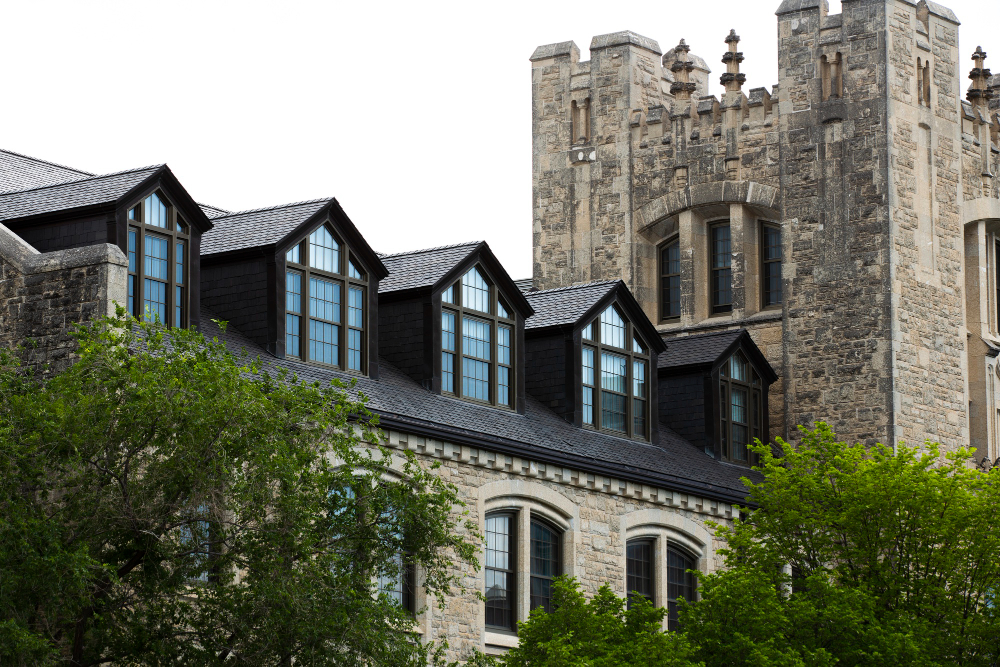
In the realm of architecture and design, UK house design has always been a blend of timeless tradition and modern innovation. From quaint cottages in the countryside to sleek urban townhouses, British homes encapsulate a range of architectural styles that cater to both aesthetics and functionality. In this article, we’ll explore the diverse features of UK house designs, address the common question, “How tall is a 3-story building?” and provide valuable insights into creating a comfortable and stylish home.
The Evolution of UK House Design
1. Traditional UK Housing Styles
The UK’s rich history is reflected in its architectural landscape. Traditional housing styles continue to be a popular choice for homeowners. Here are a few notable ones:
- Victorian Homes (1837–1901): Known for their intricate detailing, bay windows, and decorative brickwork, Victorian homes are a hallmark of elegance. These homes often feature high ceilings and sash windows.
- Edwardian Homes (1901–1910): A more spacious evolution of Victorian architecture, Edwardian homes emphasize simplicity. These homes often have large gardens, wide hallways, and ornate tiles in their entryways.
- Cottages: Found in rural areas, these homes are characterized by their thatched roofs, small windows, and cozy interiors. They exude charm and warmth.
2. Modern and Contemporary Designs
While traditional homes hold their appeal, modern UK homes are gaining traction for their minimalist and functional designs. Key features include:
- Open-Plan Living Spaces: Modern homes focus on creating fluid spaces that combine the kitchen, dining, and living areas.
- Sustainability: Incorporating eco-friendly materials and energy-efficient designs has become a significant trend in UK house design.
- Innovative Use of Space: With limited land availability in urban areas, compact and clever storage solutions are a must in modern homes.
How Tall is a 3-Story Building?
When planning or renovating a home, understanding building heights is crucial. A common question is: How tall is a 3-story building? Let’s break it down:
- Standard Height Per Floor: In residential buildings, the height of one floor typically ranges between 8 and 10 feet (2.4 to 3 meters). This includes the space for flooring, ceiling, and insulation materials.
- Total Height of a 3-Story Building: Based on the standard floor height, a 3-story building usually stands between 25 to 35 feet (7.5 to 10.5 meters), depending on design and usage of space. In the UK, homes with pitched roofs may add additional height to the structure.
Factors Impacting Height:
- Ceiling Preferences: High ceilings, often seen in Victorian or Edwardian homes, can increase the overall height.
- Roof Style: A steeply pitched roof, common in traditional UK house designs, can add several feet to the height.
- Local Regulations: Building codes and zoning laws may also influence the permissible height of a 3-story building.
Key Elements to Consider in UK House Design
1. Maximizing Natural Light
UK weather is often characterized by overcast skies, making natural light a prized feature in homes. Incorporating large windows, skylights, and light-colored interiors can enhance brightness and create a sense of spaciousness.
2. Insulation and Energy Efficiency
Given the cooler climate, proper insulation is essential in UK houses. Double-glazed windows, insulated walls, and energy-efficient heating systems are key components of a comfortable home.
3. Garden and Outdoor Spaces
Gardens are an integral part of many UK homes. Whether it’s a small patio in a townhouse or a sprawling lawn in the countryside, outdoor spaces are increasingly being designed as extensions of the living area. Features like decking, pergolas, and garden rooms are popular additions.
4. Smart Home Technology
The integration of smart home devices has revolutionized modern UK house designs. Automated lighting, smart thermostats, and security systems not only make life more convenient but also enhance energy efficiency.
Benefits of Thoughtful Home Design
Investing in a well-designed home goes beyond aesthetics—it impacts your overall quality of life. Here are some benefits:
- Increased Property Value: A well-designed house with modern features is more likely to attract buyers.
- Enhanced Comfort: Thoughtful design ensures that every corner of your home is functional and cozy.
- Sustainability: Incorporating eco-friendly materials and technology reduces your carbon footprint.
Conclusion: Designing Your Dream Home
UK house design offers a world of possibilities, blending tradition with modernity to suit every lifestyle. Whether you’re captivated by the charm of a Victorian terrace or drawn to the sleek lines of a contemporary townhouse, the most important aspect is that your home reflects your personality and meets your needs.
For those seeking expert guidance on home improvements, Home Comfort Experts is an invaluable resource. The website, homecomfortexperts.co.uk, provides free tips and tricks on home improvements, plumbing, and more. From optimizing your living space to troubleshooting plumbing issues, they offer practical advice to make your home more comfortable and efficient—all at no cost. Visit their site today to explore a treasure trove of ideas for a better living experience.
By blending traditional charm with modern practicality, UK house design continues to inspire homeowners to create spaces that are both beautiful and functional. With the right planning and expert guidance, your dream home is within reach.
For more, visit Pure Magazine