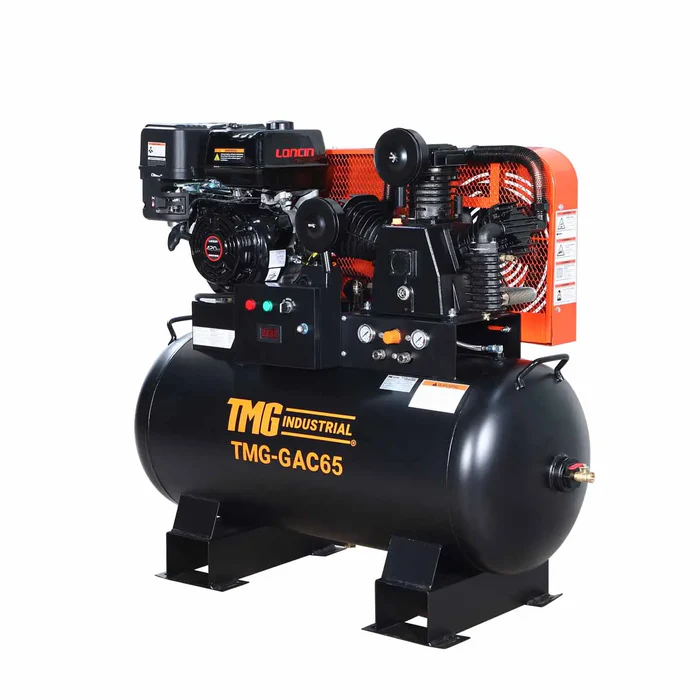
In the United States, mobile automotive service has expanded due to increasing demand for roadside assistance, fleet maintenance, and on site repair. Automotive technicians and equipment operators often work in environments where access to fixed workshop infrastructure is limited. In this context, a truck mounted air compressor has become an important tool. It allows compressed air to be generated directly at the work location, supporting a wide range of repair and maintenance tasks.
Technology Overview and Typical Use Cases
A two-stage air compressor operates by compressing air in two steps. The first stage compresses air to an intermediate pressure, and the second stage increases it to a higher final pressure. This design improves efficiency and allows the system to deliver higher pressure and flow rates compared to single-stage units.
Common Applications
- Tire inflation and pressure adjustment for commercial vehicles
- Operation of pneumatic tools such as impact wrenches and grinders
- Cleaning of components using compressed air
- Support for roadside repair and maintenance tasks
Truck mounted systems are especially useful in fleet service operations where downtime must be minimized.
Importance of Efficiency, Safety, and Productivity
Efficiency is a key factor in mobile operations. A compressor that can deliver consistent airflow reduces delays and supports continuous tool operation. This directly impacts productivity in time-sensitive repair situations.
Safety is equally important. Reliable air delivery reduces the risk of tool malfunction. Stable mounting on a truck also minimizes movement during operation, which contributes to a safer working environment.
Technical Requirements and Capability Considerations
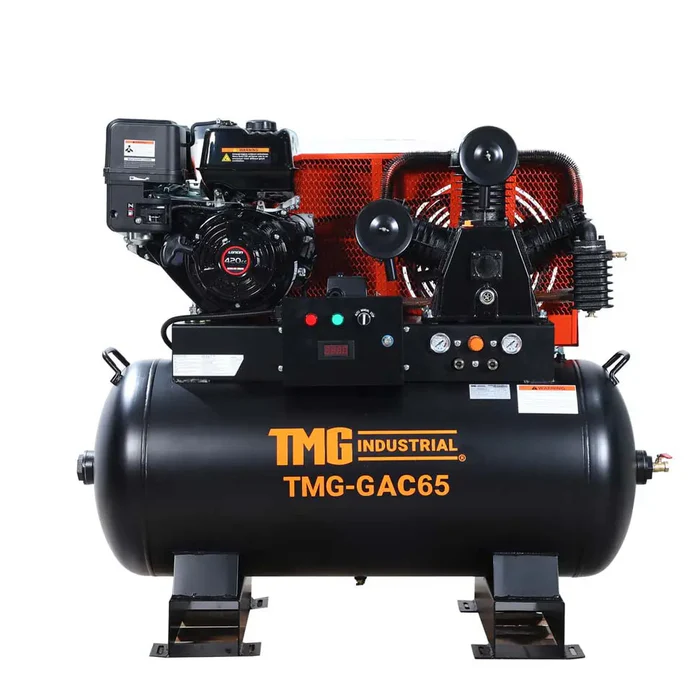
Selecting a 60-gallon two-stage truck-mounted air compressor requires understanding key technical parameters:
- Air flow rate measured in cubic feet per minute
- Maximum pressure capacity is measured in pounds per square inch
- Engine power and fuel type
- Tank size and orientation
These factors determine whether the compressor can support multiple tools or extended use without interruption.
Factors Affecting Performance and Effectiveness
Performance depends on both environmental and operational conditions:
- Ambient temperature and humidity levels
- Altitude, which can affect engine performance
- Maintenance of filters and lubrication systems
- Load demand from connected pneumatic tools
Operators should monitor these factors to maintain consistent output and avoid equipment strain.
Safety Considerations and Best Practices
Safe use of truck mounted air compressors requires adherence to clear procedures. Improper handling of compressed air can lead to injury or equipment damage.
- Inspect hoses and connections before operation
- Release tank pressure before maintenance
- Use protective equipment such as eye and ear protection
- Ensure proper ventilation when operating engine-driven systems
Following these practices reduces risk and supports long-term equipment reliability.
Equipment Types, Tools, and Attachments
Truck mounted compressors can be paired with various tools and accessories to expand their functionality:
- Impact wrenches for wheel and fastener removal
- Air ratchets for confined spaces
- Spray guns for cleaning or coating applications
- Air hoses and reels for extended reach
A representative configuration can be reviewed at the following resource: truck mounted air compressor example.
Advantages and Limitations
Advantages
- Mobility for field operations and roadside service
- High-pressure output suitable for demanding tools
- Reduced reliance on fixed workshop infrastructure
Limitations
- Requires regular maintenance of the engine and compressor system
- Fuel consumption during extended use
- Noise and vibration during operation
Real World Example
Fleet maintenance providers in the United States often deploy truck mounted air compressors to service delivery vehicles on site. This reduces the need to transport vehicles to repair facilities, lowering downtime and operational disruption. Roadside assistance teams also rely on these systems to perform urgent repairs, such as tire replacement and brake servicing, directly at the location of the breakdown.
Conclusion and Future Trends
Truck mounted air compressors continue to play an important role in mobile automotive service. Their ability to provide reliable compressed air in remote locations supports efficiency and operational flexibility. Future developments are likely to focus on improved fuel efficiency, reduced noise levels, and integration with hybrid or electric power systems.
Understanding the principles, technical requirements, and safety considerations of these systems enables automotive professionals to make informed decisions and maintain high standards of operation.
For more, visit Pure Magazine