The modern office has evolved into far more than a functional workspace; it’s now a reflection of company culture, employee wellbeing and brand identity. As businesses adapt to hybrid working, flexible schedules, and a stronger focus on mental and physical health, the way offices are designed has become increasingly important. Modern office interior design brings together intelligent space planning, thoughtful aesthetics, and practical functionality to create environments that support productivity while inspiring creativity and collaboration.
Why Modern Office Interior Design Matters
Modern office interior design goes beyond mere decoration. It’s about designing spaces that support how people work today by fostering collaboration, promoting flexibility, and enhancing comfort. With businesses increasingly recognising the impact of the environment on employee satisfaction and performance, design has become a key strategic priority.
A well-designed office can:
- Boost morale and productivity
- Support hybrid and flexible working
- Strengthen brand identity
- Attract and retain talent
These benefits make interior design an investment that delivers measurable value, particularly in competitive industries where workplace experience is central to organisational success.
Key Features of Modern Office Interior Design
- Open and Flexible Layouts
Traditional cellular offices are giving way to open environments that adapt to different styles of work. Modern layouts use modular elements, movable partitions, and multi-purpose spaces so teams can reconfigure their surroundings as needs change.
This flexibility supports both collaborative sessions and focused work, allowing spaces to evolve with business demands rather than remain fixed.
- Blending Aesthetics with Functionality
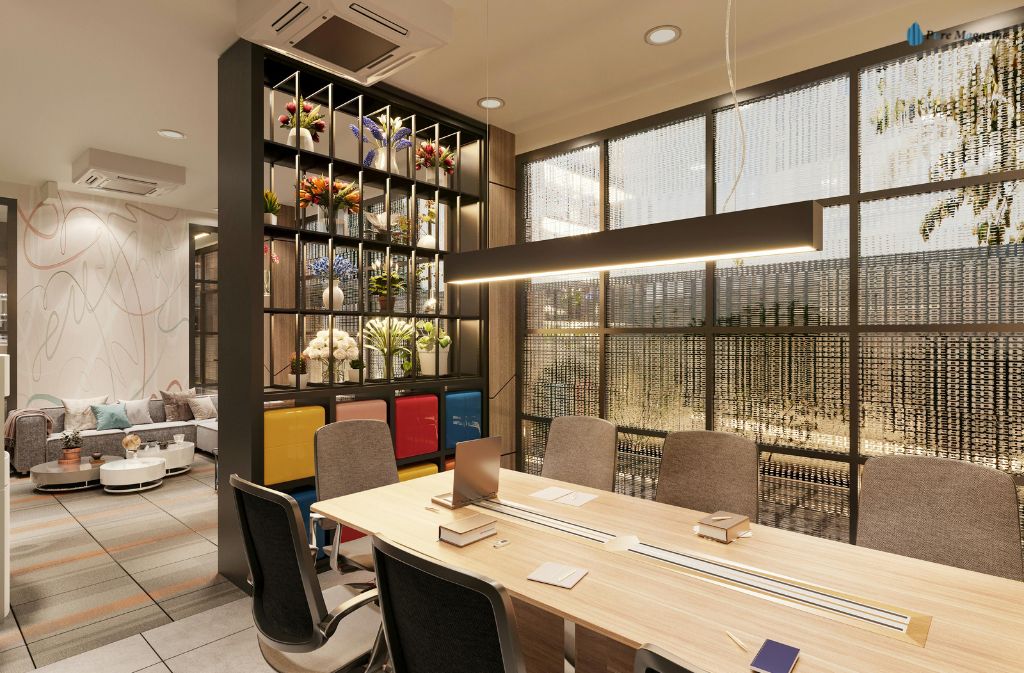
Modern office interiors strike a balance between form and function. Clean lines, high-quality materials and a cohesive colour palette create visually appealing environments, while purposeful design ensures ease of use and comfort.
Using materials like timber, glass, and soft textiles adds warmth and texture, helping to soften the often-sterile feel of conventional offices.
- Biophilic Design and Wellbeing
Natural elements, such as plants, greenery, and abundant daylight, play a significant role in modern designs. Biophilic principles not only enhance aesthetics but also improve wellbeing, reduce stress and increase concentration.
Workplaces that incorporate nature-inspired features foster healthier, more energised teams.
- Technology Integration
Smart technology is now a staple of contemporary workspaces. From intuitive booking systems for meeting rooms to integrated AV solutions and touchless controls, technology enhances convenience and efficiency without interrupting the design flow.
Ensuring seamless connectivity and digital support is essential for modern offices, especially those embracing hybrid working models.
Creating Zones for Varied Work Styles
A hallmark of modern office interior design is the creation of distinct ‘zones’ that support different activities. These may include:
- Collaborative areas — open spaces with communal tables or soft seating for teamwork
- Quiet zones — sound-managed pods or focus rooms for concentration
- Social hubs — relaxed breakout areas for informal interaction
- Wellbeing spaces — quiet rooms, lounges, or wellness corners for rest and reflection
By acknowledging that work isn’t one-dimensional, these zones help employees choose environments that suit the task at hand and their personal work style.
Sustainability and Green Design
As sustainability becomes a business imperative, modern office interior design increasingly embraces eco-friendly materials, energy-efficient lighting, and waste-reducing practices. Reusing furniture, incorporating recycled elements, and prioritising sustainable sourcing not only reduces environmental impact but also aligns with organisational values that matter to employees and clients alike.
A green approach to design can also contribute to cost savings over time, through reduced energy use and improved indoor air quality.
The Future of Office Interiors
The future of office design is shaped by flexibility, well-being, and innovation. As work patterns evolve, so too will the spaces where people come together. Offices of tomorrow will likely become hubs for connection and creativity and places where culture is reinforced, and human experience is prioritised.
By embracing the principles of modern office interior design, businesses can ensure their workspaces remain relevant, adaptable, and inspiring.
For more, visit Pure Magazine