


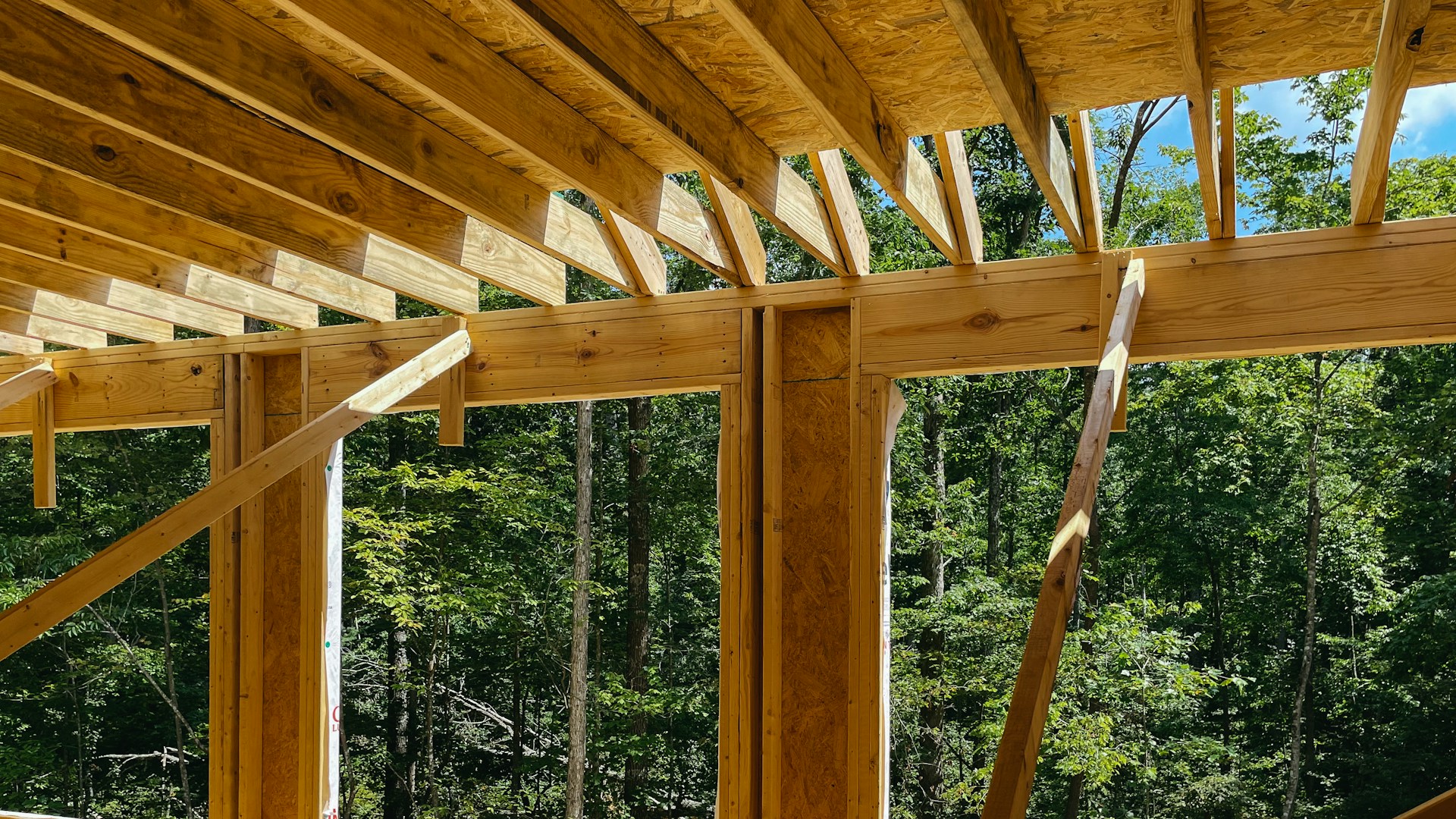
Plywood is one of the most useful building materials found in modern homes. Strong, adaptable, and cost-effective, it can be used for everything from structural work to decorative finishes. Whether you are planning a renovation, a DIY project, or simply want to understand your options better, knowing where and how plywood can be used will help you make smarter choices. Below are some of the most practical and popular ways homeowners use plywood around the house.
Flooring and Subflooring
One of the most common applications of plywood is beneath your feet. Plywood is widely used as a subfloor because it provides a stable and level base for finished flooring such as hardwood, laminate, vinyl, or carpet. Its layered construction helps distribute weight evenly, reducing movement and squeaks over time.
When choosing plywood for flooring projects, thickness and durability matter. Different plywood sizes are available depending on room dimensions and load requirements, making it easier to match the material to your specific project. Properly installed plywood subfloors can last for decades and support a wide range of surface finishes.
Walls, Paneling, and Partitions
Plywood is increasingly popular for wall applications, both structural and decorative. In renovations, it can be used to create internal partitions, reinforce stud walls, or act as a backing for plasterboard. In more design-led spaces, plywood panels are used as visible wall finishes, offering a warm and natural look.
Because plywood sheets come in various plywood sizes, they can be fitted to full walls or cut down for feature panels, alcoves, or half-height wall designs. This flexibility makes plywood suitable for both large open spaces and smaller rooms where precise fitting is required.
Kitchen and Bathroom Cabinets
Cabinet construction is another area where plywood performs extremely well. Compared to solid wood, plywood is less likely to warp when exposed to changes in temperature and humidity, making it ideal for kitchens and bathrooms. It is commonly used for cabinet carcasses, shelves, and drawer bases.
Homeowners appreciate plywood for cabinetry because it balances strength and affordability. With the right finish, it can be hidden behind doors or left visible for a modern, clean look. Selecting the right plywood sizes ensures efficient use of materials and reduces waste during cabinet builds.
Furniture and Built-In Storage
Custom furniture is one of the most creative ways to use plywood at home. From wardrobes and bookshelves to desks and window seats, plywood allows for strong construction without excessive weight. Built-in storage units, in particular, benefit from plywood’s stability and ease of cutting.
Because plywood is manufactured in consistent sheets, it’s easier to plan furniture layouts and storage solutions. Understanding standard plywood sizes helps homeowners and designers map out shelving heights, cabinet depths, and furniture proportions accurately.
Roofing and Ceiling Structures
Plywood plays a vital role in roof construction and ceiling support. It is commonly used as roof decking beneath tiles or shingles, providing a solid surface that protects the structure below. In loft conversions, plywood may also be used for flooring and knee walls.
For ceilings, plywood can act as a structural layer or even as a visible finish in garages, workshops, or contemporary interiors. Choosing the correct grade and plywood sizes is essential here, as these areas require materials that can handle load and long-term stress.
Doors and Interior Joinery
Interior doors, sliding panels, and joinery elements often rely on plywood for their core structure. Flush doors, for example, commonly use plywood layers inside to maintain strength while keeping the door lightweight. This makes them easier to install and use over time.
Plywood is also used for stair components, window seats, and custom trim details. Its smooth surface accepts paint, veneer, or laminate well, allowing it to blend seamlessly with other materials in the home.
DIY Projects and Home Improvements
For homeowners who enjoy DIY, plywood is one of the most approachable materials to work with. It can be used for garage storage systems, garden sheds, workbenches, and playroom furniture. Its predictable structure makes cutting, drilling, and fastening straightforward, even for beginners.
Knowing which plywood sizes are available can simplify project planning and reduce unnecessary cuts. This saves time, lowers costs, and leads to cleaner results.
Final Thoughts
Plywood is far more than a basic construction material. Its versatility allows it to support structural elements, create functional furniture, and contribute to interior design across the entire home. From subfloors and walls to cabinets and custom builds, plywood offers reliability and flexibility for homeowners at every skill level.
By understanding where plywood works best and paying attention to quality, thickness, and plywood sizes, you can make informed decisions that suit both your space and your budget. Whether you are renovating one room or improving your entire home, plywood remains a dependable choice worth knowing well.
For more, visit Pure Magazine