1. Inkjet Cartridge
So, you’re thinking about refilling your inkjet cartridges to save some cash. It’s a common idea, and honestly, who wouldn’t want to cut down on printing costs? But here’s the thing: inkjet cartridges are way more complicated than they look. They’ve got tiny print heads and delicate internal parts that are super easy to mess up. Trying a printer cartridge refill on an inkjet without knowing exactly what you’re doing can lead to a mess of leaks, smudged prints, or even a completely ruined cartridge.
When you’re looking at an inkjet cartridge, remember these points:
- The print head: This is the part that actually puts the ink on the paper. It’s incredibly fine and can get clogged or damaged easily if you’re not careful.
- Internal channels: Inkjet cartridges have small channels to guide the ink. If you put the wrong type of ink in or overfill them, it can cause problems.
- Air bubbles: These little guys can get trapped during a refill and stop the ink from flowing correctly, leading to faded or missing lines in your prints.
It’s tempting to think of it as just pouring ink into a container, but inkjet cartridges are precision instruments. They’re designed for a specific ink and a specific way of working. When you try to refill them, you’re messing with that delicate balance. For many people, especially those who rely on their printer for important documents or photos, the risk just isn’t worth it. It’s often better to buy a new cartridge or look into professional refilling services if you’re really trying to save money. CW Outlet & Supplies has a range of options if you need replacements.
If you’re set on doing it yourself, make sure you’ve got the right ink for your specific cartridge model. Using the wrong ink is a fast track to disaster. And even then, be prepared for the possibility that it might not work out perfectly. It’s a bit of a gamble.
2. Toner Cartridge
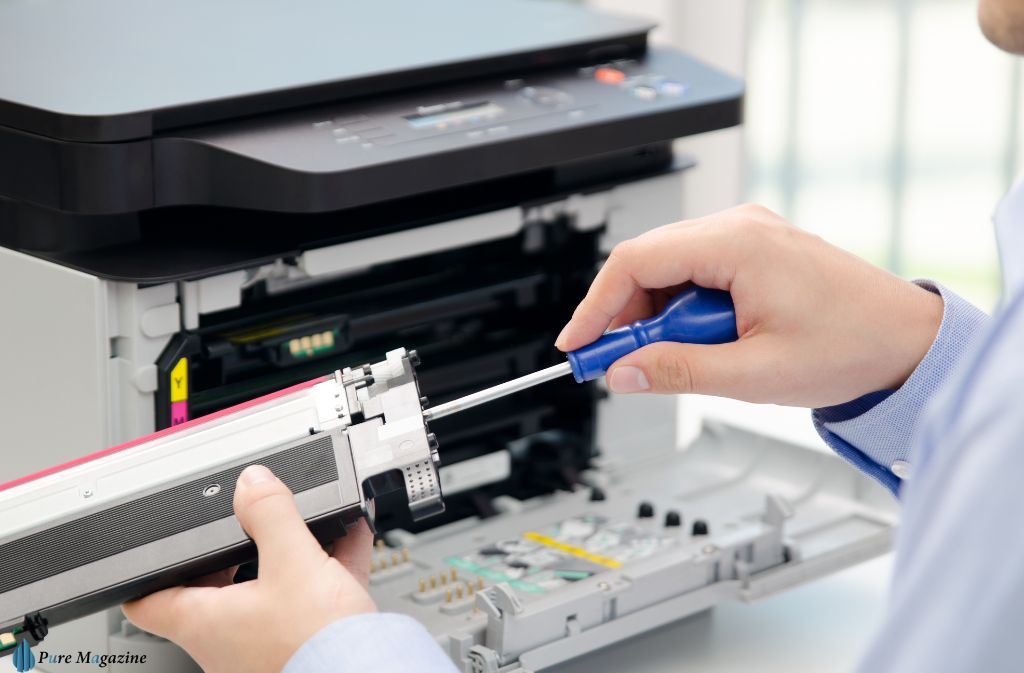
When you’re thinking about a printer cartridge refill, toner cartridges are a whole different ballgame compared to inkjet. These things use a fine powder, not liquid ink, and messing with them can get messy fast. The fine toner powder can easily get everywhere, so preparation is key.
Here are some things to keep in mind:
- Toner is messy: Seriously, it’s like super-fine dust. If you spill it, it’s a pain to clean up. Think about wearing old clothes and covering your workspace.
- Static electricity: Toner can stick to things because of static. Be careful when handling the cartridge and the powder.
- Chip resets: Many toner cartridges have chips that track the toner level. After a refill, this chip might need to be reset or replaced for the printer to recognize the cartridge. This is often the trickiest part of a toner printer cartridge refill.
Trying to refill a toner cartridge without the right knowledge or tools can lead to a printer that just won’t print, or worse, a big mess. It’s not always as straightforward as it seems, and sometimes the cost of the refill kit and the time spent isn’t worth the savings compared to buying a new or remanufactured cartridge from a place like CW Outlet & Supplies.
3. Refill Ink
So, you’re thinking about refilling your printer cartridges yourself? That’s great if you want to save some cash. But when it comes to the actual ink, there are a few things to watch out for. Using the wrong type of ink can seriously mess up your printer. It’s not just about color; it’s about the chemical makeup.
When you’re doing a printer cartridge refill, you need to make sure you’re getting the right stuff. Different printers and even different cartridge models use different ink formulations. Some are dye-based, others are pigment-based. Mixing them or using the wrong kind can lead to:
- Clogged print heads: This is super common and can make your prints look awful or stop them altogether.
- Color inaccuracies: Your photos might come out looking weird, not like the original.
- Damage to the cartridge itself: The ink might not flow properly, or it could even corrode parts of the cartridge.
It’s tempting to just grab any ink that looks similar, but it’s really not worth the risk. Companies like CW Outlet & Supplies usually have specific ink refill kits for various printer models. They know what works and what doesn’t.
Always check your printer’s manual or the manufacturer’s website for the exact type of ink recommended. If you’re unsure, it’s better to ask for help or buy a pre-filled cartridge than to risk damaging your printer with the wrong refill ink.
4. Syringe
When you’re thinking about a printer cartridge refill, a syringe might seem like a simple tool, but using the wrong one can cause a whole heap of trouble. It’s not just about getting the ink in; it’s about control and precision.
Here’s why the syringe matters:
- Size: You need a syringe that can hold enough ink for the refill but isn’t so large that it’s hard to manage. Too small, and you’ll be refilling it constantly, which is annoying. Too big, and you risk overfilling or spilling.
- Needle Type: The needle needs to be fine enough to fit into the ink port without damaging the cartridge. Some kits come with specific needles, but if you’re sourcing your own, make sure it’s not too thick. A blunt tip is usually best to avoid accidental punctures.
- Material: Make sure the syringe is made of plastic that won’t react with the ink. You don’t want any weird chemical reactions happening that could mess up the ink quality or damage your printer later.
Using a syringe incorrectly is a common mistake during a printer cartridge refill. You might think you’re just pushing ink in, but if you apply too much pressure, you can force ink into the wrong channels or even damage the internal components. This is especially true for inkjet cartridges.
A good rule of thumb is to fill slowly and steadily. If you feel a lot of resistance, stop. You might be pushing against something you shouldn’t be, or the cartridge might already be full. Forcing it is a recipe for disaster, and CW Outlet & Supplies always recommends a gentle approach.
Remember, the goal is a clean, controlled refill. A proper syringe, used correctly, makes a big difference in the success of your printer cartridge refill project.
5. Gloves
Alright, let’s talk about gloves. When you’re doing a printer cartridge refill, this might seem like a small detail, but trust me, it’s a big one. You’re dealing with ink or toner, and neither of those things comes off easily. Protecting your hands is non-negotiable.
Think about it: ink can stain your skin for days, and toner is essentially super-fine powder that gets everywhere. You don’t want that on your hands, especially if you’re going to be touching other things afterward. Plus, some inks can be a bit harsh, and it’s just good practice to keep a barrier between your skin and the chemicals.
Here’s why gloves are a must:
- Cleanliness: Keeps your hands free from ink or toner stains.
- Safety: Provides a barrier against potential skin irritants in the ink.
- Hygiene: Prevents cross-contamination if you’re handling multiple cartridges or different types of ink.
I learned this the hard way once when I tried a printer cartridge refill without gloves. Let’s just say my fingertips looked like a rainbow for a week, and I kept getting ink on my phone screen. It was a mess.
Using disposable nitrile or latex gloves is your best bet. They’re cheap, readily available, and you can just toss them when you’re done. CW Outlet & Supplies has a good selection if you need to stock up.
Don’t skip this step. It’s a simple way to make the whole printer cartridge refill process much less messy and a lot more pleasant.
6. Plastic Tubing
When you’re thinking about doing a printer cartridge refill, plastic tubing might not be the first thing that comes to mind, but it can be pretty handy. It’s not always about the big tools; sometimes, the small bits make a difference. Using the right kind of tubing can help you transfer ink cleanly from its container to the cartridge.
If you’re refilling an inkjet cartridge, you might need a way to get the ink into those tiny reservoirs without making a mess. Toner cartridges are a different story, but for ink, tubing can be a lifesaver.
Here’s why it’s useful:
- Controlled Flow: A thin tube lets you control how much ink goes in at a time. This is super important because you don’t want to overfill.
- Reduced Spills: Instead of pouring directly, which is a recipe for disaster, you can use a tube to guide the ink.
- Reaching Tight Spots: Some cartridges have small openings, and a flexible tube can help you get the ink where it needs to go.
When you’re looking for tubing, think about the diameter. You don’t want something too wide, or it’ll be hard to manage. CW Outlet & Supplies has a range of accessories that might help with your printer cartridge refill projects, and sometimes that includes the right kind of tubing.
Trying to refill a cartridge without the right tools can lead to a big mess. It’s easy to think you can just wing it, but a little preparation goes a long way. Having things like plastic tubing on hand means you’re ready for the actual refill process, not just the idea of it.
7. Drill
When you’re looking to refill your printer cartridges, a drill might seem like an odd tool to have on hand. But for certain types of toner cartridges, especially those with a sealed casing, you might need one. The goal is to create a small, clean opening to access the toner powder inside.
Using a drill for a printer cartridge refill isn’t something you do every day, and it requires a bit of care. Here’s what you should keep in mind:
- Choose the right drill bit: You don’t need a massive hole. A small bit, maybe 1/8 or 3/16 inch, is usually enough. You want to make an opening just big enough to get your refill tools in.
- Drill slowly and carefully: Don’t just jam the drill in. Start slow and apply steady pressure. You’re working with plastic, and you don’t want to crack the whole cartridge.
- Know where to drill: Look for a spot on the cartridge that’s usually flat and away from any internal components or seals. Sometimes there’s a molded-in area that’s perfect for this.
- Clean up afterward: Make sure to clear away any plastic shavings before you start refilling. You don’t want that stuff getting into your printer.
If you’re unsure about drilling into a cartridge, it might be worth checking out the refill kits from CW Outlet & Supplies. They often have specific instructions or even pre-made access points for easier refilling, which can save you a lot of hassle and potential damage.
Drilling into a toner cartridge is a step that can go wrong if you’re not paying attention. It’s easy to make the hole too big or drill in the wrong place, which could ruin the cartridge or even damage your printer later on. Always err on the side of caution and think about whether this step is really necessary for the cartridge you have.
8. Hole Punch
Okay, so you might be wondering why a hole punch is on this list for doing a printer cartridge refill. It seems a bit out of place, right? Well, sometimes, when you’re trying to refill certain types of toner cartridges, you might need to create a new access point. Using a hole punch isn’t the standard method, but in a pinch, it can sometimes work for specific cartridge designs to access the toner reservoir.
Here’s the deal:
- Not for Inkjets: This is strictly for toner cartridges. Inkjet cartridges have different mechanisms and don’t typically require this kind of access.
- Toner Specific: Some older or less common toner cartridges might have a small plastic area that can be carefully punched to create an opening. It’s not ideal, and you have to be really careful not to damage internal components.
- Alternative to Drilling: If you don’t have a drill or are hesitant to use one, a hole punch might seem like a gentler option. However, it’s less precise.
When attempting any kind of printer cartridge refill, especially with toner, precision is key. A hole punch is a tool that requires a very specific type of plastic on the cartridge to even be considered. If the plastic is too thick or reinforced, you’ll just end up with a mangled cartridge and possibly toner dust everywhere. It’s usually better to stick to methods designed for the specific cartridge model if you can find them. CW Outlet & Supplies often has guides or recommends specific tools for different cartridge types.
Remember, if you’re not comfortable or if the cartridge looks like it will break easily, it’s probably best to skip this step. Damaging the cartridge beyond repair means you’ll have to buy a new one anyway, and that defeats the purpose of a printer cartridge refill.
9. Cotton Swabs
When you’re doing a printer cartridge refill, cotton swabs might seem like a minor detail, but they’re actually pretty handy. Think of them as your precision cleaning tools. You’ll want to have a good supply of them on hand.
Here’s why they’re important:
- Cleaning the print head: If you’re refilling an inkjet cartridge, the print head can get clogged with old ink. Cotton swabs, maybe with a little bit of distilled water or a specialized cleaning solution, can help gently wipe away dried ink.
- Wiping up spills: Let’s be honest, printer cartridge refill jobs can get messy. A stray drop of ink or toner can end up where you don’t want it. Cotton swabs are perfect for soaking up these small messes before they spread.
- Detail work: Sometimes you need to clean out tiny nooks and crannies inside the cartridge or around the nozzle area. The small size of a cotton swab makes this possible.
Don’t underestimate the power of a clean workspace when refilling cartridges. A messy job often leads to a poorly functioning cartridge, and nobody wants that. CW Outlet & Supplies knows that attention to detail matters, and that includes using the right tools, even simple ones like cotton swabs, to get the job done right.
It’s easy to overlook the small things when you’re focused on the main task of refilling. But those little tools, like cotton swabs, can make a big difference in the outcome. They help prevent bigger problems down the line by keeping things clean and precise during the refill process.
10. Isopropyl Alcohol
When you’re doing a printer cartridge refill, you might think about what to use for cleaning. Isopropyl alcohol is often mentioned, and for good reason. It’s a pretty good solvent, meaning it can break down and lift away old ink or toner residue that might be clogging things up. Using it carefully can help ensure a cleaner print job after refilling.
Here’s why it’s useful:
- It evaporates quickly, which is a big plus. You don’t want to leave moisture behind.
- It’s good at dissolving dried ink, making it easier to clear out the print heads or nozzles.
- It can help clean up spills or smudges on the cartridge itself, preventing them from getting onto your paper.
However, you have to be careful. Too much, or using it on the wrong parts, can actually cause damage. It’s best used sparingly on specific areas that need cleaning, like the contacts or the print head assembly, if it’s accessible and you know what you’re doing. For most people, especially when first trying a printer cartridge refill, sticking to gentler methods might be safer. If you’re unsure, it’s always a good idea to check the specific instructions for your cartridge model or consult resources from places like CW Outlet & Supplies.
Sometimes people think a stronger cleaner is always better, but with printer cartridges, that’s not always the case. You’re dealing with delicate parts, and harsh chemicals can do more harm than good. It’s a balancing act between getting it clean and not breaking it.
Remember, the goal is a successful printer cartridge refill, not a science experiment gone wrong. Always follow recommended procedures and use cleaning agents like isopropyl alcohol with caution.
So, What’s the Takeaway?
Look, refilling your own printer cartridges can seem like a good way to save some cash. And sometimes, it works out just fine. But as we’ve seen, there are a bunch of little things that can go wrong, turning a simple task into a messy headache. From picking the wrong ink to not sealing things up right, it’s easy to mess up your printer or end up with faded prints. If you’re not careful, you might end up spending more to fix the damage than you would have on new cartridges in the first place. So, weigh the risks. Maybe give it a shot if you’re feeling brave and have a spare printer, but if you’re on a tight deadline or just want things to work, sticking with the official ones might be the smarter move. It’s your call, but don’t say we didn’t warn you!
For more, visit Pure Magazine