Designing an event that feels made-for-me is hard work, but it’s completely doable. Treat your audience as the customer you serve, not the crowd you manage. Build each element to solve a real need, from the agenda to the app to the aftercare.
Know Your Audience Profiles
Go deeper than job titles. Identify the problems people want solved, the outcomes they must bring home, and the constraints they live with. If you don’t know these yet, run short discovery calls or quick polls and build 3 to 5 audience archetypes you can design around.
Each archetype should include goals, pain points, time budget, and networking preferences. Keep this visible to the whole team so programming, scheduling, and onsite operations stay aligned. When trade-offs appear, ask which choice best serves the key archetypes.
Curate Speakers and Hosts to Fit the Room
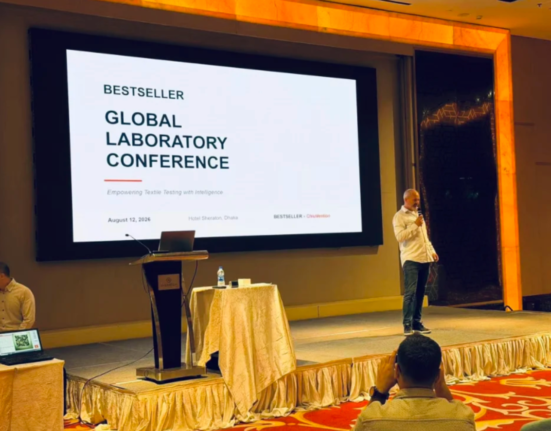
Strong content still needs the right voice. Match facilitators to the tone you want: coaches for workshops, journalists for panels, and makers for demos. Mid-program hosts can reset energy and stitch themes together without eating time.
In longer agendas, vary cadence and style. A three-talk block feels lighter when a quick-fire case study sits between two deeper dives. For big rooms, choose presenters like those at JLA who handle Q&A with precision and humility and expand your talent options. Follow up with tight briefing docs so everyone knows the audience’s needs and the outcomes you expect.
Map Motivations to Formats
People attend for different reasons, so mix formats to match. Problem solvers want how-to workshops, explorers want trend talks, and dealmakers want curated meetups. Place motivator-matched sessions in prime slots so each group sees value early.
Use simple rules to place content and avoid decision fatigue:
- If the goal is skill gain, run small group labs.
- If the goal is discovery, run fast, high-energy spotlights.
- If the goal is connection, run facilitated roundtables.
Keep Accessibility Non-Negotiable
Accessibility is a design principle. Plan for clear sightlines, quiet zones, captioned content, and step-free routes from the start. Build your staff playbook so every helper knows how to guide guests, not just point them.
Use plain language in all signs, slides, and scripts. Guidance from a public engagement resource stresses using straightforward words instead of idioms or figures of speech, which helps attendees with different language backgrounds and cognitive styles feel included.
Design the Digital Layer to Help In-Person
Your digital layer should reduce friction, not add it. Offer a searchable schedule, live room capacity, and quick bookmarking. A well-reviewed industry analysis notes that most attendees now expect a mobile event app, which means your app is part of the core experience.
Keep the interface uncluttered and prioritize speed. If a feature doesn’t help someone decide where to go next or who to meet, it’s probably noise. Track in-app behavior to learn what people could not find easily, then fix those gaps for day two.
Personalize Journeys at Scale
Personalization is no longer a trend. Coverage of recent attendee research pointed out that the desire for personalized experiences spans all generations. Use registration questions to suggest sessions, and let people pick a path that fits their role, challenge, and time window.
Start simple: recommend three sessions, two people, and one space to recharge for each attendee. Add small touches like auto-populated meeting notes or save-for-later links that carry from mobile to desktop. The goal is to remove effort while increasing relevance.
Build Spaces that Reward Participation
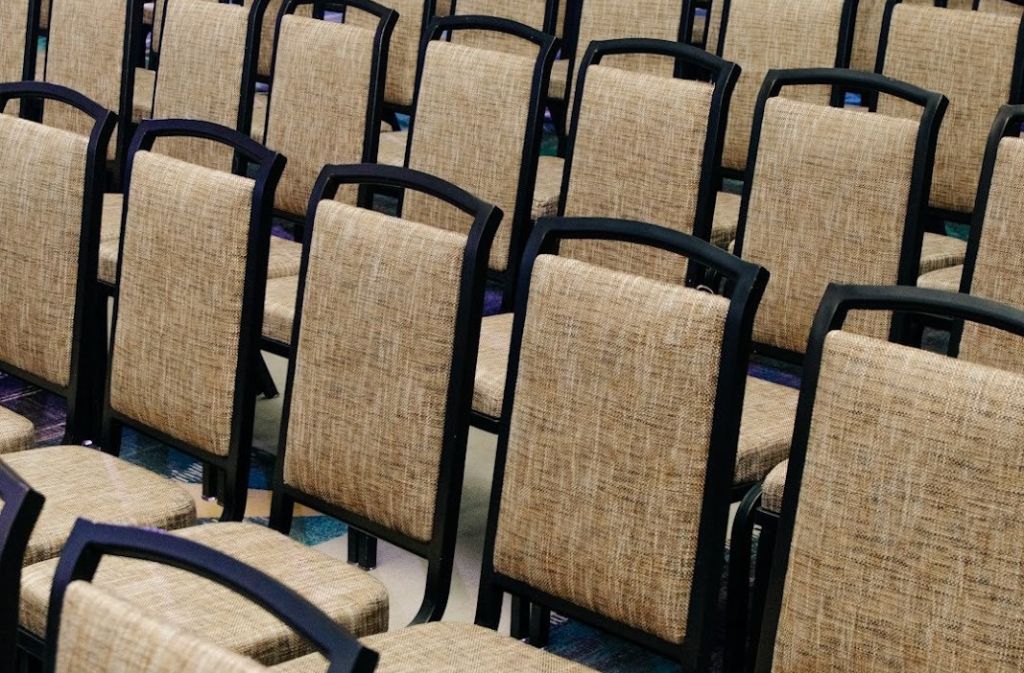
A room sets behavior. Tight rows signal lecture mode, while cabaret seating invites discussion. Clear directional graphics and branded materials prepared for banner production can further define zones and reinforce the purpose of each space. Use furniture and signage to make it obvious where to ask questions, sketch ideas, or book a meeting. If you want collaboration, give people surfaces, markers, and time.
Create flow between spaces with clear wayfinding and short travel distances. Put popular sessions near flexible overflow areas so latecomers still get value. For networking, label zones by theme so shy attendees can enter conversations with a prompt already in hand.
Close the Loop with Evidence
You can’t claim fit without proof. Measure session attendance versus room capacity, app saves versus actual check-ins, and meeting requests versus completed meetings. Compare what people planned to do with what they actually did to spot mismatches.
Pair the numbers with short, structured feedback. Ask one question at the door exit and another in the app at night. Look for patterns by audience archetype, then ship small fixes while the event is still live. That responsiveness shows you are listening, which builds trust for next time.
Great events feel respectful of people’s time and tuned to what they need most. If you keep accessibility, personalization, and clarity at the center, your audience will notice. Do the basics well, test what you can, and let the evidence guide your next move.
For more, visit Pure Magazine