Building an extension is one of the biggest decisions a homeowner can make — and choosing a timber frame extension often raises just as many questions as it answers. Is it really cheaper than brick? Will it last? Do you need planning permission? And why are so many UK builders quietly switching to timber?
If you’re considering extending your home in 2025, this guide walks you through the real pros, cons, costs, regulations, and construction details — without sales fluff or guesswork.
By the end, you’ll know whether a timber frame extension makes sense for your home, budget, and long-term plans.
What Is a Timber Frame Extension?
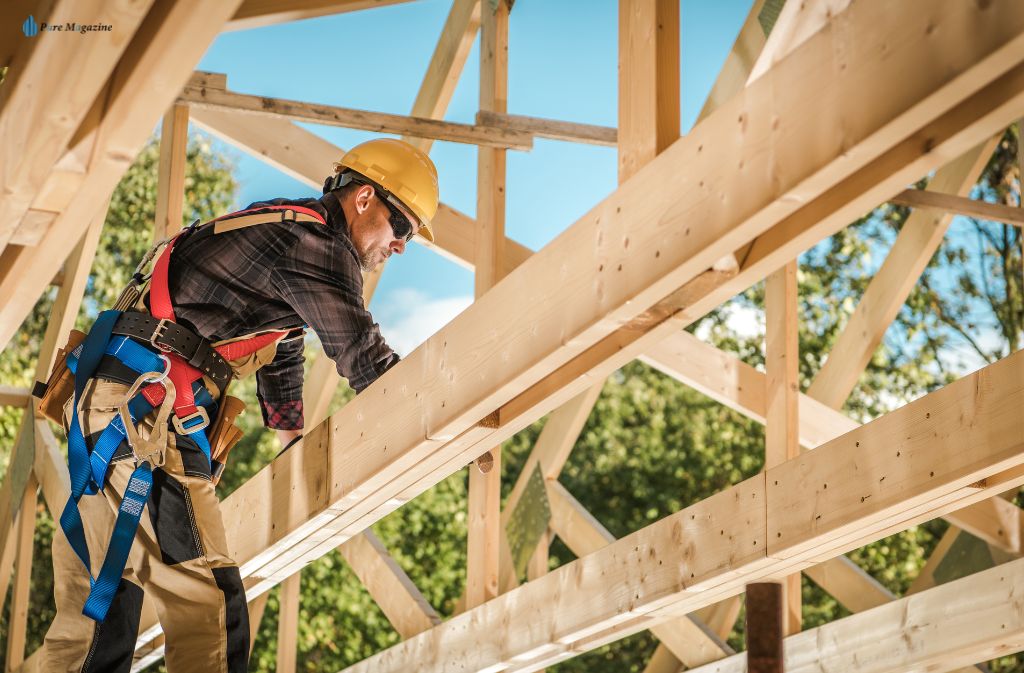
A timber frame extension uses a structural wooden framework (usually softwood like spruce or pine) to form the load-bearing skeleton of the extension. The frame is then insulated, sheathed, and finished externally with brick, render, cladding, or stone.
Despite the name, it doesn’t have to look wooden.
Common UK Uses
- Kitchen extensions
- Utility rooms
- Rear or side extensions
- Over-garage extensions
- Lean-to additions
Timber frame construction has been used in the UK for centuries — modern systems simply refine it with better insulation, moisture control, and precision manufacturing.
Is a Timber Frame Extension Cheaper Than Brick?
Short answer: Often yes — but not always.
Typical UK Cost Ranges (2025)
| Extension Type | Average Cost per m² |
|---|---|
| Timber frame extension | £1,500 – £2,200 |
| Traditional brick/block | £1,800 – £2,500 |
Why Timber Can Cost Less
- Faster build time (reduced labour)
- Off-site fabrication
- Less weather downtime
- Lower foundation loads in some cases
When It’s Not Cheaper
- Complex designs
- High-end cladding (oak, stone)
- Poor ground conditions
- One-off bespoke frames
👉 Key takeaway: Timber frame extensions are usually more cost-predictable, even when final prices are similar.
Timber Frame vs Brick Extension
| Feature | Timber Frame | Brick/Block |
|---|---|---|
| Build speed | Very fast | Slower |
| Thermal efficiency | Excellent | Good |
| Upfront cost | Lower–mid | Mid–high |
| Design flexibility | High | Moderate |
| Weather delays | Minimal | Common |
| Sustainability | High | Lower |
Planning Permission & Regulations (UK)
Do You Need Planning Permission?
Often no, if it falls under Permitted Development, but conditions apply:
- Size limits
- Height restrictions
- Distance from boundaries
- Conservation areas excluded
Timber frame construction itself does not affect planning approval — size and appearance do.
Building Regulations (Always Required)
Your extension must comply with:
- Part A: Structural safety
- Part L: Energy efficiency (stricter in 2025)
- Part B: Fire safety
- Part C: Moisture resistance
- Part E: Sound insulation
Timber frame systems easily meet these when designed correctly.
Foundations for Timber Frame Extensions
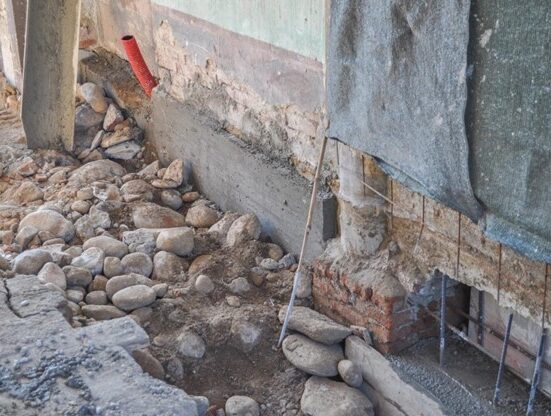
Despite being lighter than brick, timber frame extensions still need proper foundations.
Common Options
- Trench fill foundations
- Strip foundations
- Piled foundations (poor ground)
Myth: Timber frames don’t need foundations
Reality: They need appropriate foundations — not weaker ones.
A structural engineer determines this based on soil, load, and design.
How a Timber Frame Extension Is Built (Step-by-Step)
- Design & engineering
- Foundation installation
- Frame manufactured off-site
- Frame erected on site (1–2 weeks)
- Roof installation
- Weatherproofing
- Internal fit-out
- External finishes
Because the structure arrives pre-made, on-site time is drastically reduced.
Timber Frame Extension Kits (UK)
Pre-engineered kits are popular for:
- Budget control
- Faster timelines
- Self-build projects
Typical Kit Costs
- £400 – £800 per m² (structure only)
Important: Kits exclude:
- Foundations
- Roofing
- Windows/doors
- Services (plumbing, electrics)
- Finishes
Common Mistakes Homeowners Make
Avoid these costly errors:
- Choosing timber without proper moisture detailing
- Ignoring fire regulations
- Assuming all builders understand timber systems
- Skipping airtightness planning
- Underestimating cladding costs
- DIY without structural calculations
A timber frame extension rewards good planning — and punishes shortcuts.
Also Check: Orangery Extension 2025: Costs, Designs & Ideas
Sustainability & Energy Efficiency (2025 Reality)
Timber frame construction aligns well with:
- Future Homes Standard
- Low-carbon building goals
- High insulation targets
Benefits include:
- Lower embodied carbon
- Easier airtightness
- Reduced heating costs
- Compatibility with heat pumps
Is a Timber Frame Extension Right for You? (Checklist)
✔ You want faster build times
✔ You value energy efficiency
✔ You want predictable costs
✔ You’re extending an existing home
✔ You want design flexibility
❌ You want exposed brick internally
❌ You’re uncomfortable with modern construction
❌ You plan major DIY without experience
FAQs
Q1. Is a timber frame extension cheaper to build than brick?
In most UK homes, a timber frame extension can be 10–20% cheaper than a traditional brick extension. This is mainly due to faster on-site construction and lower labour costs. However, the final cost depends on your design, cladding, finishes, and any custom features.
Q2. How long do timber frame extensions last?
When properly designed and maintained, timber frame extensions in the UK can last over 100 years, comparable to brick construction. Modern timber systems are treated for moisture resistance, structural stability, and fire safety, ensuring long-term durability.
Q3. Can I build a timber frame extension without planning permission?
Many timber frame extensions qualify under Permitted Development rights, meaning formal planning permission is not required. However, Building Regulations approval is always mandatory, covering safety, insulation, fire, and structural standards. Always check local council rules before starting.
Q4. What foundation is required for a timber frame extension?
Timber frame extensions typically need strip or trench foundations, though the exact type depends on soil quality, load requirements, and extension size. A structural engineer or builder should assess your site to ensure safe, compliant foundations.
Q5. Are timber frame extensions weak or noisy?
No. Modern timber frame extensions meet strict UK sound, fire, and structural standards, making them strong, quiet, and safe. Proper insulation and wall paneling ensure excellent acoustic and thermal performance.
Q6. Are timber frame extensions suitable for the UK climate?
Yes. Timber frame systems are widely used across the UK. When correctly detailed with weatherproof membranes, insulation, and cladding, they handle rain, wind, and temperature changes effectively, providing a sustainable and energy-efficient home extension.
Q7. How much does a timber frame extension cost per square metre?
In 2025, UK timber frame extensions typically cost £1,500–£2,200 per m², depending on design complexity, finishes, and location. This is often more predictable than brick, thanks to off-site fabrication and reduced on-site construction time.
Conclusion
A timber frame extension isn’t a shortcut — it’s a smarter construction method when done properly. In 2025, it will offer faster builds, strong energy performance, and flexible design without compromising durability.
The key is choosing the right system, builder, and design — not just the cheapest quote.
If you’re planning an extension, timber framing deserves serious consideration.
Related: How Thoughtful Garden Design Transforms Everyday Living