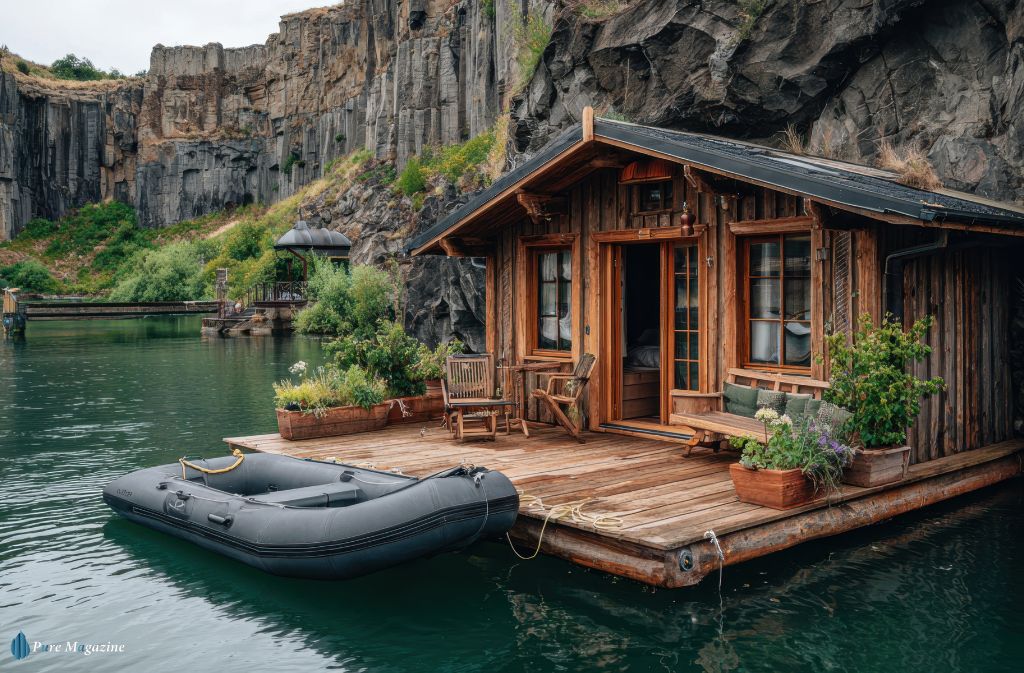
For decades, the standard backyard dock was a utilitarian afterthought—a few pressure-treated planks nailed to some creosote-soaked pilings. It was a place to tie up the boat and, if you were lucky, a place to jump into the water without getting a splinter. But the world of waterfront living has undergone a massive transformation. Today, the shoreline is an extension of the home, a social hub, and a sanctuary.
At the heart of this revolution are Floating Dock Builders, specialized craftsmen who have turned marine construction into a blend of high-end architecture and hydrodynamic engineering. If you are looking to elevate your property, it’s time to look past the fixed structures of the past and embrace the future of the floating waterfront.
The Shift: From Utilitarian to Lifestyle-Centric
The modern homeowner doesn’t just want a place to park a jet ski; they want a “living dock.” This shift in mindset has changed how docks are designed. Professional Floating Dock Builders are now creating multi-functional spaces that include:
- Integrated Social Zones: Built-in benches, fire pit areas (with heat-shielded bases), and even outdoor kitchen modules.
- Easy-Access Launchpads: Custom-molded slips for kayaks and paddleboards that allow you to slide into the water without the “unsteady wobble” of traditional docks.
- Underwater Ambiance: Motion-activated LED lighting systems that illuminate the water below, creating a stunning nighttime aesthetic and attracting local fish.
This evolution is only possible with floating technology. Because the dock stays level with the water, these amenities remain accessible and safe 24/7, regardless of whether the tide is in or out.
Engineering the “Quiet” Dock
One of the biggest complaints about older floating docks was the noise—the constant creaking of metal on metal or the hollow “thump” of plastic drums. Modern Floating Dock Builders have solved this through sophisticated material science.
Today’s premium docks utilize silent hinge systems and rubberized dampers that eliminate the “clanging” typical of cheaper DIY setups. By using heavy-duty, foam-filled HDPE (High-Density Polyethylene) floats, builders can create a platform that feels as solid as a concrete sidewalk but still possesses the buoyancy to support thousands of pounds of gear.
The goal of a professional build is “stability through weight.” By strategically weighting the outer corners of the dock, builders can minimize the “tipping” sensation when multiple people walk to one side, providing a grounded, high-end feel that kit docks simply cannot replicate.
Shoreline Stewardship: The Eco-Friendly Advantage
As we become more conscious of our environmental footprint, the way we build on the water matters more than ever. Traditional fixed docks often require heavy machinery to drive piles into the seabed, which can disrupt local habitats and stir up silt.
Professional Floating Dock Builders offer a much “greener” alternative:
- Minimal Footprint: Floating docks require far fewer points of contact with the underwater environment. In many cases, they are anchored by land-based “stiff arms” or a few strategically placed cables.
- Light-Penetrating Decking: To protect seagrasses and aquatic life, pros often use grated or translucent decking materials. This allows sunlight to pass through the dock to the water below, maintaining the health of the underwater ecosystem.
- Non-Toxic Materials: Gone are the days of chemically treated wood leaching into the lake. Modern builders prioritize recycled composites and marine-grade aluminum, which are inert and won’t harm the water quality.
The Complexity of Customization
No two shorelines are identical, which is why a “one-size-fits-all” approach usually ends in frustration. A professional builder acts as both an architect and a navigator. They have to account for “Fetch”—the distance the wind travels over water. If your dock is on a wide-open bay, it needs a significantly different anchoring system and structural frame than a dock in a sheltered canal.
Floating Dock Builders also specialize in the “modular” approach. They can design a dock that grows with your lifestyle. Maybe this year you only have a kayak, but next year you’re planning on a 24-foot center console boat. A professionally engineered floating system can be expanded or reconfigured with “add-on” sections, something that is nearly impossible with a fixed wooden pier.
Protecting Your Investment
Let’s be candid: building a high-quality dock is a significant investment. However, it’s an investment that pays dividends in property value. In the real estate market, a professionally installed, permitted, and warrantied dock is a “value-add” feature that can increase a home’s selling price by tens of thousands of dollars.
When you work with professional Floating Dock Builders, you aren’t just paying for the lumber and the floats; you are paying for:
- Structural Insurance: Many DIY docks are under-engineered and fail during the first major storm surge. A pro-built dock is designed to survive “100-year storm” conditions.
- Code Compliance: Navigating the maze of local building codes and environmental permits is a full-time job. Professionals handle this, ensuring you don’t face fines or “cease and desist” orders from the local council.
- Longevity: A high-quality aluminum and composite floating dock can easily last 30 to 50 years with minimal maintenance.
Final Thoughts
The shoreline is the most valuable part of your property. It’s where memories are made and where the stress of the world fades away. Don’t settle for a rickety walkway when you can have a precision-engineered maritime masterpiece. By partnering with expert Floating Dock Builders, you are ensuring that your gateway to the water is safe, beautiful, and built to last a lifetime.
For more, visit Pure Magazine