


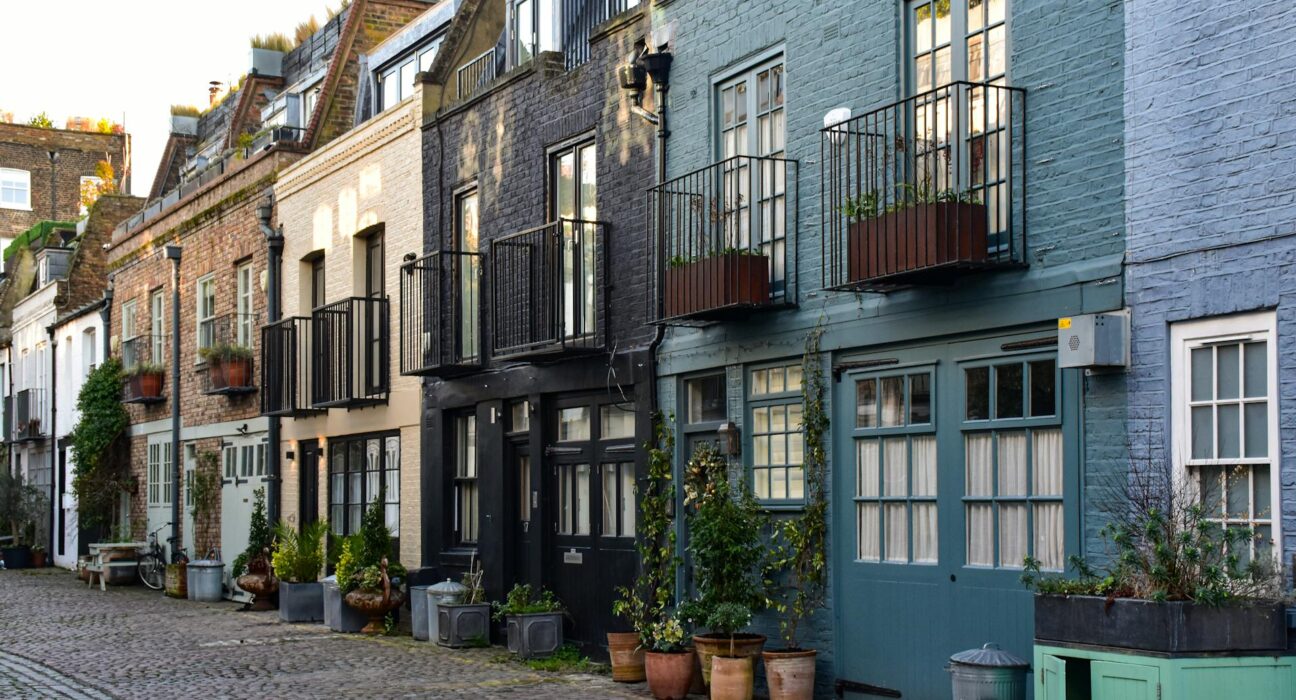
Whether you’re planning to build your dream home from scratch, renovating an existing property, or simply exploring architectural inspiration, understanding the fundamentals of house design is essential. The UK housing landscape has evolved dramatically in recent years, with UK modern homes blending cutting-edge aesthetics with sustainable living. One of the most commonly asked questions among prospective homeowners and curious minds alike is: how tall is 2 stories? — and the answer might surprise you.
In this comprehensive guide, we’ll walk you through everything from the latest trends in British house design to the practicalities of building heights, materials, and interior layout considerations that define today’s most desirable homes.
What Defines Modern House Design in the UK?
The UK has a rich architectural heritage — from Georgian townhouses and Victorian terraces to post-war council estates and contemporary eco-homes. But when we talk about UK modern homes, we’re referring to a distinct design philosophy that has gained massive popularity since the early 2000s and continues to dominate in 2026.
Modern house design in the UK is characterised by several key features:
- Clean lines and minimalist aesthetics — Gone are the ornate mouldings and heavy detailing of traditional homes. Modern UK homes favour simplicity, open-plan living, and a sense of spaciousness.
- Large windows and natural light — Floor-to-ceiling glazing, bi-fold doors, and skylights are hallmarks of contemporary British home design. The goal is to blur the boundary between indoor and outdoor spaces.
- Sustainable materials and energy efficiency — With the UK government’s push toward net-zero emissions, modern homes increasingly incorporate solar panels, triple-glazed windows, heat pumps, and high-performance insulation.
- Flat or low-pitched roofs — While traditional UK homes are known for their pitched roofs, many modern designs embrace flat or gently sloping rooflines for a sleek, contemporary appearance.
- Open-plan living areas — The kitchen-dining-living room concept has become the heart of modern British homes, promoting social interaction and a flexible use of space.
These design principles are not just about aesthetics — they reflect a broader cultural shift toward more efficient, comfortable, and environmentally responsible living.
How Tall Is 2 Stories? Understanding Building Heights in the UK
This is one of the most frequently searched questions related to house design, and for good reason. Whether you’re assessing planning permissions, comparing property types, or simply trying to visualise the scale of a building, knowing how tall is 2 stories is incredibly useful.
The standard height of a 2-storey house in the UK is approximately 7 to 9 metres (23 to 30 feet) from the ground to the ridge of the roof. However, this measurement can vary based on several factors:
- Floor-to-ceiling height: In most modern UK homes, the floor-to-ceiling height on each storey is around 2.4 metres (approximately 8 feet). Some older properties and period homes may have ceiling heights of 2.7 metres (9 feet) or even higher.
- Floor thickness and structural elements: The floor slab, joists, and insulation between the ground and first floors typically add 0.3 to 0.5 metres to the overall height.
- Roof type and pitch: A steeply pitched roof can add considerably more height compared to a flat or low-pitched roof. A standard pitched roof on a 2-storey home may add 2 to 3 metres above the top of the upper storey walls.
- Foundation and ground level: The height from the actual ground to the finished floor level of the ground storey can vary, especially on sloped sites.
Here’s a quick breakdown:
| Component | Approximate Height |
| Ground floor (floor to ceiling) | 2.4 m (8 ft) |
| Floor/ceiling structure | 0.3–0.5 m (1–1.5 ft) |
| First floor (floor to ceiling) | 2.4 m (8 ft) |
| Roof structure (pitched) | 2–3 m (6.5–10 ft) |
| Total (ground to ridge) | 7–9 m (23–30 ft) |
It’s worth noting that planning regulations in the UK often restrict the maximum height of residential buildings, particularly in conservation areas or near listed buildings. If you’re planning a 2-storey extension or new build, always check with your local planning authority to ensure your design complies with permitted development rights and building regulations.
Top Trends in UK Modern Home Design for 2026
The world of house design is constantly evolving. Here are the most exciting trends shaping UK modern homes this year:
-
Biophilic Design
Biophilic design — which integrates natural elements into the built environment — has moved from niche concept to mainstream must-have. Think living walls, indoor courtyards, natural timber cladding, and water features. The idea is to create homes that foster a deep connection with nature, improving mental health and well-being.
-
Smart Home Integration
From voice-controlled lighting and heating systems to AI-powered security and energy management, smart technology is now a standard expectation in modern UK home design. The best smart homes integrate technology seamlessly, so it enhances daily life without dominating the aesthetic.
-
Multi-Functional Spaces
The rise of hybrid working has permanently changed how we use our homes. In 2026, dedicated home offices, garden studios, and flexible rooms that can serve as guest bedrooms, gyms, or creative spaces are in high demand. Modern house design accommodates this by using clever storage solutions, sliding partitions, and modular furniture.
-
Earthy and Natural Colour Palettes
While the all-white minimalist trend hasn’t disappeared, there’s a strong movement toward warmer, more grounded colour schemes. Think terracotta, sage green, warm clay, muted ochre, and soft stone tones. These colours create a sense of calm and cosiness that resonates with the UK’s often grey climate.
-
Passivhaus and Net-Zero Homes
The Passivhaus standard — which aims for ultra-low energy consumption through superior insulation, airtightness, and heat recovery ventilation — is gaining serious traction in the UK. With energy prices remaining a concern and climate awareness growing, more homeowners and developers are choosing to build to Passivhaus or net-zero standards.
-
Mixed Materials and Textured Facades
UK modern homes in 2026 are moving away from single-material exteriors. Instead, architects are combining materials like brick, timber cladding, zinc panels, and render to create visually dynamic facades with depth and character. This approach also allows homes to feel contemporary while still fitting within their local context.
Key Considerations When Designing a House in the UK
If you’re embarking on a house design project, here are some practical considerations to keep in mind:
Planning Permission and Building Regulations
Before any design work begins, understand what you can and cannot do within the planning framework. Permitted development rights allow certain extensions and modifications without full planning permission, but there are strict limits on height, footprint, and proximity to boundaries. For new builds, you’ll almost certainly need full planning approval.
Orientation and Site Analysis
The orientation of your home on its site has a huge impact on natural light, energy efficiency, and privacy. In the UK, south-facing living spaces and gardens are highly desirable, as they receive the most sunlight throughout the day.
Budget and Phasing
Modern house design can range from surprisingly affordable to eye-wateringly expensive, depending on your specifications. It’s wise to work with an architect or designer who understands your budget and can suggest cost-effective solutions without compromising on quality. Consider phasing your project if budget is tight — for example, building the shell first and finishing interior spaces over time.
Future-Proofing Your Home
Think about how your needs might change over the next 10, 20, or even 30 years. Will you need additional bedrooms? Could mobility become a concern? Modern house design should be adaptable, with features like wider doorways, ground-floor bathroom provisions, and flexible room layouts that can evolve with your lifestyle.
Local Character and Context
While modern design is about innovation, the best UK modern homes respect their surroundings. A glass-and-steel cube might look stunning in an urban setting but feel completely out of place in a rural Cotswolds village. Good design responds to its context — borrowing local materials, echoing regional building forms, and enhancing the character of the neighbourhood.
The Interior: Where Design Meets Daily Life
A beautiful exterior means little if the interior doesn’t function well. Here are some interior design principles that define the best modern UK homes:
- Flow and connectivity — Rooms should connect logically, with smooth transitions between public and private spaces.
- Storage, storage, storage — Clutter is the enemy of modern design. Built-in wardrobes, under-stair storage, and utility rooms keep homes looking clean and organised.
- Quality over quantity — Invest in fewer, better pieces of furniture and finishes. A solid oak dining table, high-quality kitchen worktops, and well-made soft furnishings will outlast cheaper alternatives and elevate the entire feel of your home.
- Lighting design — Layer your lighting with a mix of ambient, task, and accent lighting. Recessed downlights, pendant fixtures, and hidden LED strips can transform the atmosphere of any room.
- Personal touches — While modern design favours simplicity, your home should still reflect your personality. Art, books, plants, and meaningful objects bring warmth and individuality to even the most minimalist spaces.
Conclusion: Your Journey to the Perfect Home Starts Here
Designing a home — whether it’s a brand-new modern build or a thoughtful renovation of an existing property — is one of the most rewarding projects you can undertake. Understanding the fundamentals, from how tall is 2 stories to the latest trends in UK modern homes, empowers you to make informed decisions and create a space that truly works for you and your family.
The key is to balance aesthetics with practicality, sustainability with comfort, and innovation with respect for your local environment. With careful planning, the right professional guidance, and a clear vision, your dream house design can become a reality.
If you’re looking for even more inspiration and expert guidance on home design and décor, Home Comfort Experts is an excellent resource worth exploring. The website provides home décor and home design tips inspired by celebrity homes, offering a unique perspective on how to bring high-end style into your own living spaces. Beyond aesthetics, Home Comfort Experts also shares valuable knowledge about home improvements — from practical renovation advice to creative interior solutions — making it a go-to destination for anyone passionate about transforming their home into something truly special.
Happy designing! 🏡
For more, visit Pure Magazine