Ocala is a bit of a paradox. You have the postcard version. You know the one. The rolling hills, the pristine white fences, the thoroughbreds grazing in pastures that look like they were manicured with nail scissors. It is quiet. It is moneyed. It feels like Kentucky with palm trees. Then, you turn a corner onto State Road 200 or get sucked into the I-75 vortex, and that postcard bursts into flames. Suddenly, you are in a gritty, high-speed logistical hub where snowbirds in massive RVs are fighting for lane space with semi-trucks hauling concrete.
It is a jarring shift. One minute, you are watching a foal run across a field. The next you are slamming on your brakes because someone cut across three lanes of traffic to get to a Red Lobster.
The roads here have a personality. And honestly, that personality is aggressive. We are growing fast. Maybe too fast. The infrastructure is straining under the weight of thousands of new residents and the endless stream of commercial freight moving north and south. When you mix that volume with the typical Florida weather (blinding sun one second, torrential downpour the next), you get a recipe for chaos. It is not a matter of if you will see a wreck. It is just a matter of when.
The Adrenaline Haze
There is a very specific silence that happens right after a crash.
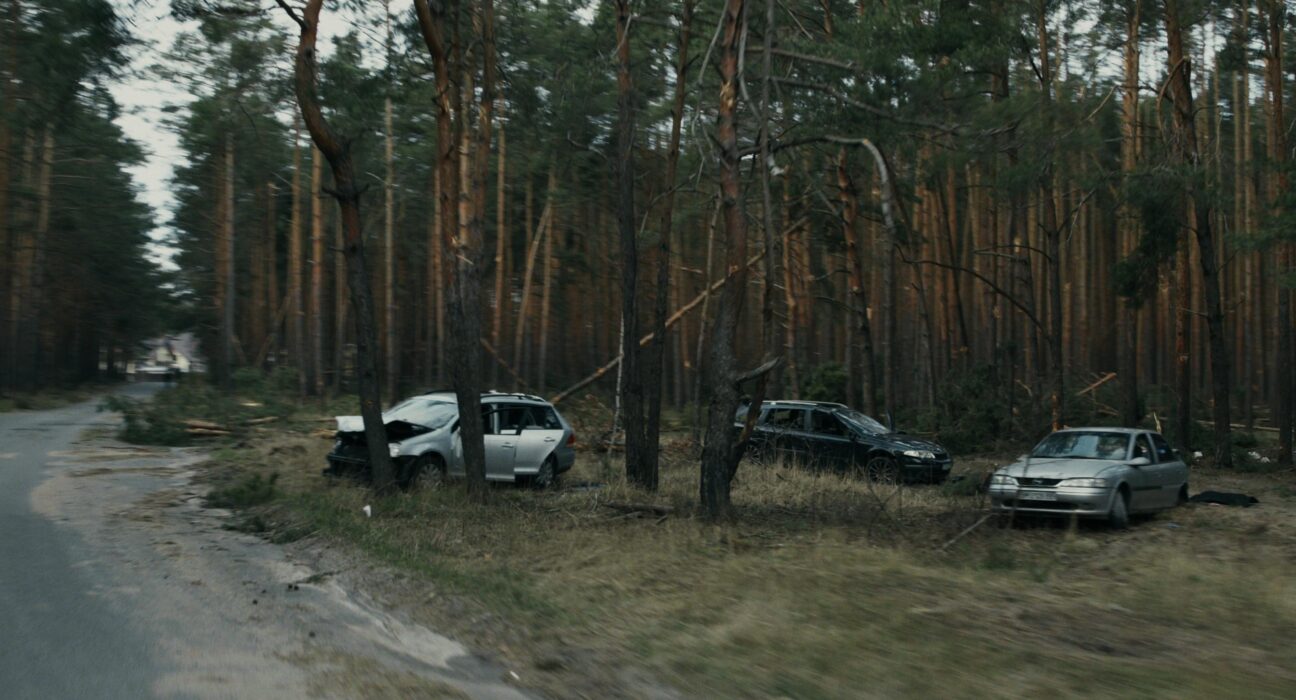
Before that, it is loud. Tires screeching. Metal crumpling. Glass shattering. It is a violent, ugly noise. But then? Silence. The radio might still be playing. The engine might be ticking as it cools down. But the world feels like it stopped.
You sit there for a second. Checking your hands. Checking your legs. The adrenaline hits you like a freight train. It is nature’s way of keeping you moving. But it is also a liar. It masks the pain. You might step out of the car feeling shaky but “fine,” not realizing that your adrenaline is the only thing holding your neck together.
Then the chaos rushes back in. Sirens. People shouting. The other driver looking just as confused as you are. You are trying to find your insurance card in a glove box full of napkins and old receipts. You are trying to remember if you should move the car or leave it. It is overwhelming. And this is just the first ten minutes. The real headache, the one that lasts for months, hasn’t even started yet.
The Myth of the “No-Fault” Safety Net
Here is the thing about Florida law that trips everyone up. We have this “No-Fault” system. The name is great marketing. It makes you think, “Oh, cool, no blame, no problem.”
Wrong.
It just means that your own car insurance is responsible for the first $10,000 of your medical bills. That is your Personal Injury Protection, or PIP. In 1975, ten grand was a lot of money. You could buy a house or fix a broken leg and have change left over. Today? Ten grand gets you an ambulance ride, a CT scan, and a couple of aspirins at the ER. That money evaporates before you even leave the hospital parking lot.
So what happens when the bills keep coming?
If you are hurt badly (and we are talking about injuries that aren’t going to just “buff out” in a week), you have to step outside that no-fault bubble. You have to go after the at-fault driver’s insurance. And that is where the gloves come off. Insurance companies are businesses. They have shareholders. They do not make money by writing fat checks to people with bad backs. They make money by denying claims or offering lowball settlements that barely cover the tow truck fee.
This is usually the moment when people realize they are in over their heads. You are trying to heal. You are trying to get to work. And meanwhile, you have a claims adjuster calling you three times a day. They are trying to get you to admit on a recorded line that maybe you were a little bit distracted, too. It is a trap. Navigating this minefield requires someone who knows where the tripwires are buried. Bringing in a car accident lawyer Ocala residents trust changes the dynamic instantly. It puts a barrier between you and the corporate machine. It signals that you aren’t just going to take the first offer to make the phone stop ringing. It gives you room to breathe.
The Specific Geography of Danger
Ocala’s roads aren’t just crowded. They are diverse in how they can hurt you.
Think about I-75. It is the main artery of the state. Through Marion County, it is a gauntlet. You have long stretches where the speed limit is 70, but everyone is doing 85. Then you have the heavy trucks. These aren’t just local delivery vans. They are massive 18-wheelers hauling freight from Miami to Atlanta. They have huge blind spots. They take forever to stop. If you are in a small sedan and you get sandwiched between two of them during a sudden rainstorm? That is a nightmare scenario.
Then look at State Road 200. It is the commercial spine. It is stop-and-go. It is frustrating. You have people turning out of Walmart, people turning into restaurants, and people trying to cross four lanes of traffic. It is a breeding ground for T-bone accidents and rear-end collisions. The frustration level here is high. Frustrated drivers make bad decisions. They run red lights. They cut people off.
And don’t forget the back roads. Ocala has miles of beautiful, canopy-covered roads. They look scenic. But they are narrow. They have no shoulders. And at night, they are pitch black. A deer jumping out, or a patch of wet leaves on a curve, can send a car spinning into an oak tree that has been there for a hundred years. That tree isn’t going to move.
The Mental Game of Recovery
We talk a lot about broken bones. We don’t talk enough about the broken peace of mind.
After a bad wreck, getting back in a car feels like stepping into a cage. You flinch when you see brake lights. You grip the steering wheel until your knuckles turn white. It is exhausting. Your brain is constantly scanning for threats that aren’t there.
Plus, you are bored. Recovery is boring. You are stuck on the couch. You can’t go to the gym. You can’t ride. You can’t work in the yard. You are just sitting there, stewing in your own stress, staring at a pile of mail that looks like a ransom note.
You need an outlet. You need to get your brain off the accident. It is important to find things that have absolutely nothing to do with courts or clinics. You might find yourself searching for a distraction, perhaps reading engaging lifestyle and travel articles that have nothing to do with liability or deductibles. It helps to remind yourself that there is a big, interesting world out there that isn’t made of asphalt and insurance policies. This kind of escapism is necessary when your reality is currently defined by pain scales and liability arguments. It resets the mental state.
The “Invisible” Injury Battle
The hardest injuries to fight for are the ones you can’t see.
If you have a broken arm, the X-ray shows a crack. It is undeniable. But what about a herniated disc? What about soft tissue damage? What about a concussion that leaves you foggy and irritable for months?
Insurance companies love these injuries. They love them because they can argue that they aren’t real. Or they can argue that you had them before the crash. “Oh, you’re forty years old? That back pain is just arthritis.” They will gaslight you. They will make you feel like a fraud for asking for compensation for pain that is very, very real.
This is why the medical paper trail is everything. If you skip appointments, you lose. If you try to “tough it out” and not go to the doctor for two weeks after the crash, you lose. The insurance company looks for gaps. They look for inconsistencies. You have to be diligent. You have to treat your recovery like a job.
Community vs. Corporation
Ocala is a tight community. We hold doors open for people. We wave when we pass on a dirt road. It is a place where relationships matter.
But an insurance claim isn’t a relationship. It is a transaction. To the person on the other end of the phone, you are a file number. You are a potential loss on a quarterly spreadsheet. They don’t care that you can’t pick up your kids. They don’t care that you missed the equestrian season.
Fighting back isn’t about being greedy. It is about fairness. It is about making sure that a split-second mistake by someone else doesn’t derail your entire life. It is about getting your car fixed with OEM parts, not cheap knock-offs. It is about getting the therapy you need to walk without a limp.
The traffic here isn’t going away. As long as people want to move to Florida, and as long as horses need to be transported, Ocala’s roads will remain a mix of beauty and danger. But you don’t have to be a victim of the aftermath. You can take control. You can get the right help. And you can get back to the good part of living here. The quiet mornings. The green fields. And the peace that comes with knowing you stood up for yourself.
For more, visit Pure Magazine